How to Get Rid of Mold in Closet Spaces
August 7, 2026

24/7 Emergency Service(941) 260-2721
At Your Property Quickly1-Hour Response Time
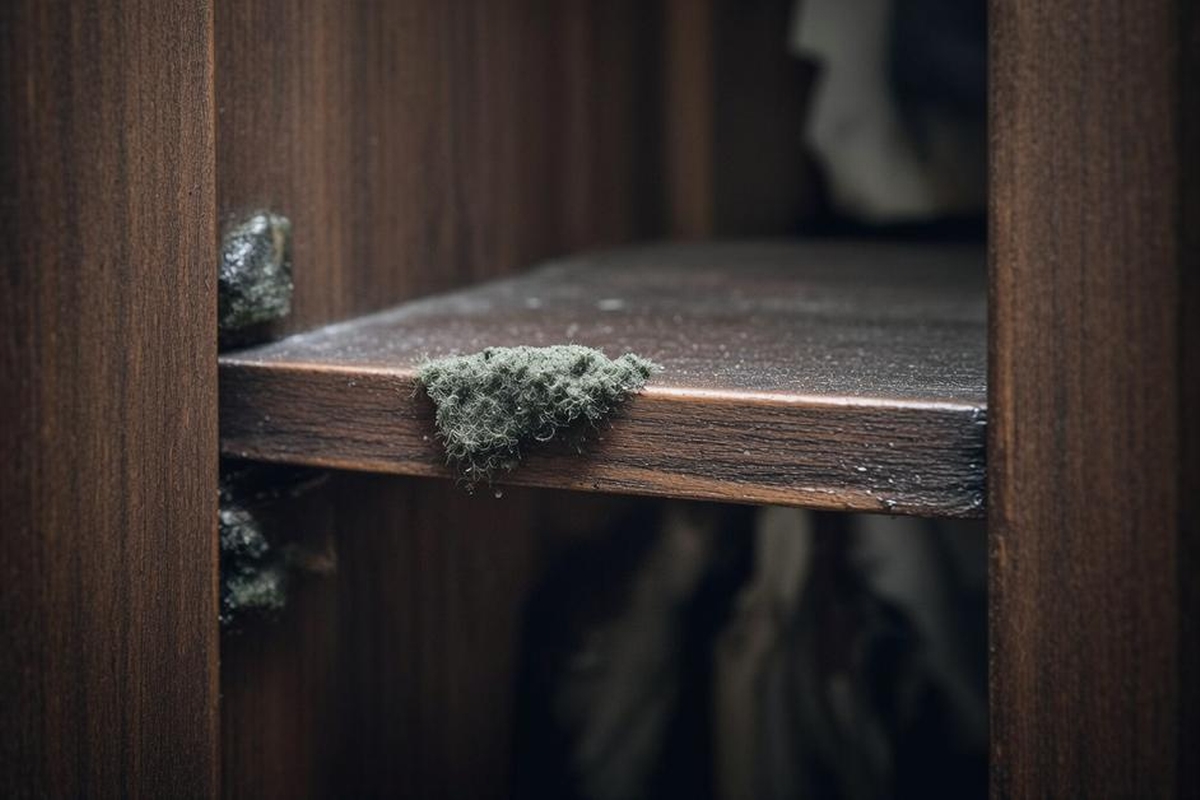
Mold. It's the unseen intruder that can quietly take over your closet spaces. Not only does it compromise the structural integrity of your home, but it can also affect the air quality and health of its inhabitants. Understanding how to get rid of mold in closet spaces is crucial for maintaining a healthy home environment. If you're someone residing in the humid climate of Sarasota, FL, the battle against mold can be a common occurrence, necessitating the need for damage restoration services in Sarasota and beyond. This article will provide you with comprehensive insights on preventing and eliminating mold, ensuring your closet spaces remain mold-free. The process might not be overly complex, but it requires understanding and persistence. Let’s dive deeper into the world of mold, what it means for your home, and how you can effectively manage it.
Closets are ideal environments for mold growth because they often lack proper air circulation, allowing moisture to remain trapped within. Closet spaces, particularly those that are unventilated, can inadvertently create a breeding ground for mold spores. Often, these areas are dark, warm, and slightly humid - a perfect storm for mold to flourish undetected. In Sarasota, FL, humidity levels can exacerbate this issue, making it vital to understand why mold might be growing in your closets and how you can prevent it from occurring.
Mold is a type of fungus that can grow on various surfaces, especially those with organic materials like wood or fabric. When left unchecked, mold can lead to structural damage in your home and pose significant health risks like allergies, respiratory problems, and even neurotoxicity. There are many mold variations, some more harmful than others, but they all require moisture to thrive. Recognizing the risks allows you to take the necessary precautions to safeguard your home environment.
The first step to managing mold is being able to identify its presence. Mold is often identified by black, green, or white spots on surfaces within your closet. These spots can be accompanied by a musty odor, which is often the first red flag for detection. If clothes or fabrics in your closet absorb this smell, it's a strong indicator of mold presence. Regular inspection of your closet can prevent the development of more severe mold issues.
Successfully eliminating mold is a matter of diligence and proper technique. Here’s the step-by-step approach:
Preventing mold in your closet requires a multifaceted approach. A major factor includes climate control. Installing a small dehumidifier can make a significant difference in controlling the moisture levels in your closet. Utilizing moisture absorbers like silica gel packets or activated charcoal pouches can also be beneficial. Consider upgrading closet lighting to UV or LED lights, which generate less heat and can help deter mold. Air circulation is key, so leaving closet doors open periodically can prevent moisture buildup. You should periodically inspect for signs of water damage, leaks, or excessive moisture that might lead to mold. Regular cleaning and organizing can also prevent stagnant conditions where mold might thrive.
While homeowners can often handle minor mold issues, significant infestations may require specialized intervention. Companies specializing in mold removal and remediation, like Accutech Restoration and Remodeling, are equipped with the expertise and equipment needed to tackle larger projects. These experts can provide services ranging from mold detection to complete removal and prevention strategies, ensuring that the mold isn’t just cleaned but eradicated. Such professional intervention is especially recommended when mold is widespread or if it has affected structural components, such as when dealing with storm damage restoration in Sarasota and nearby vicinities.
Engaging professionals not only results in a more thorough approach but also reassures lasting solutions. They conduct comprehensive inspections, identify the underlying causes of moisture, and offer customized remediation plans. This can be crucial in maintaining indoor air quality and safeguarding structural integrity. Professionals also provide recommendations on how to mitigate future outbreaks, aligning with specific challenges unique to the Sarasota climate.
Keeping your closets mold-free is not merely about cleaning but about maintaining an environment that doesn’t allow mold to take hold. Regular inspections and maintenance can save you from more significant issues that mold might cause down the road. For those in the Sarasota, FL, area grappling with persistent moisture and mold challenges, professional water damage restoration services are often necessary to address underlying issues. Our experts in mold removal and remediation in Bradenton are ready to assist with comprehensive solutions to restore your home back to its healthiest state.
Protecting your home from mold requires just a few simple steps and awareness to act before it becomes a problem. For persistent or severe cases, consider consulting with Accutech Restoration and Remodeling to ensure that every mold spore is effectively eliminated from your space, offering peace of mind and a cleaner, healthier home. Consider reaching out for an assessment or quote today, because when it comes to mold, professional intervention may prevent a small problem from becoming a significant disaster.
Yes, mold can grow under tiles if there is constant moisture or water damage.
Yes, we can remove mold from carpets affected by water damage. We use specialized cleaning techniques to prevent health risks.
Remove any affected tiles and clean the area thoroughly with a mold-specific cleaner.
Yes, mold can pose health risks such as respiratory issues and aggravation of allergies.
Mold exposure can lead to various health issues, especially for individuals with allergies or respiratory conditions. Common symptoms include coughing, sneezing, throat irritation, and, in some cases, exacerbation of asthma. Prolonged exposure to mold can potentially lead to more severe health problems, making prompt mold remediation essential.
Signs include musty odors, visible mold growth on surfaces, and allergy-like symptoms among occupants.
Black mold is a type of fungus that looks dark green or black. There are many kinds of black mold, but when most people refer to it, they're referring to Stachybotrys chartarum ( S. chartarum ). It grows and spreads on materials that contain a lot of cellulose, including paper products, wood products and drywall. Cellulose is a fiber in fruits, vegetables and other plants. It's part of the cell wall.
Black mold needs warm temperatures and moisture to grow and spread. It commonly appears in damp or water-damaged areas of your home, such as basements, showers and windows.
For most people, black mold won't make you very sick or kill you.
August 7, 2026
August 3, 2026
August 1, 2026
Join our community for maintenance and DIY tips and tricks, where we help homeowners and business owners like you learn preventative maintenance and be better prepared for disasters.
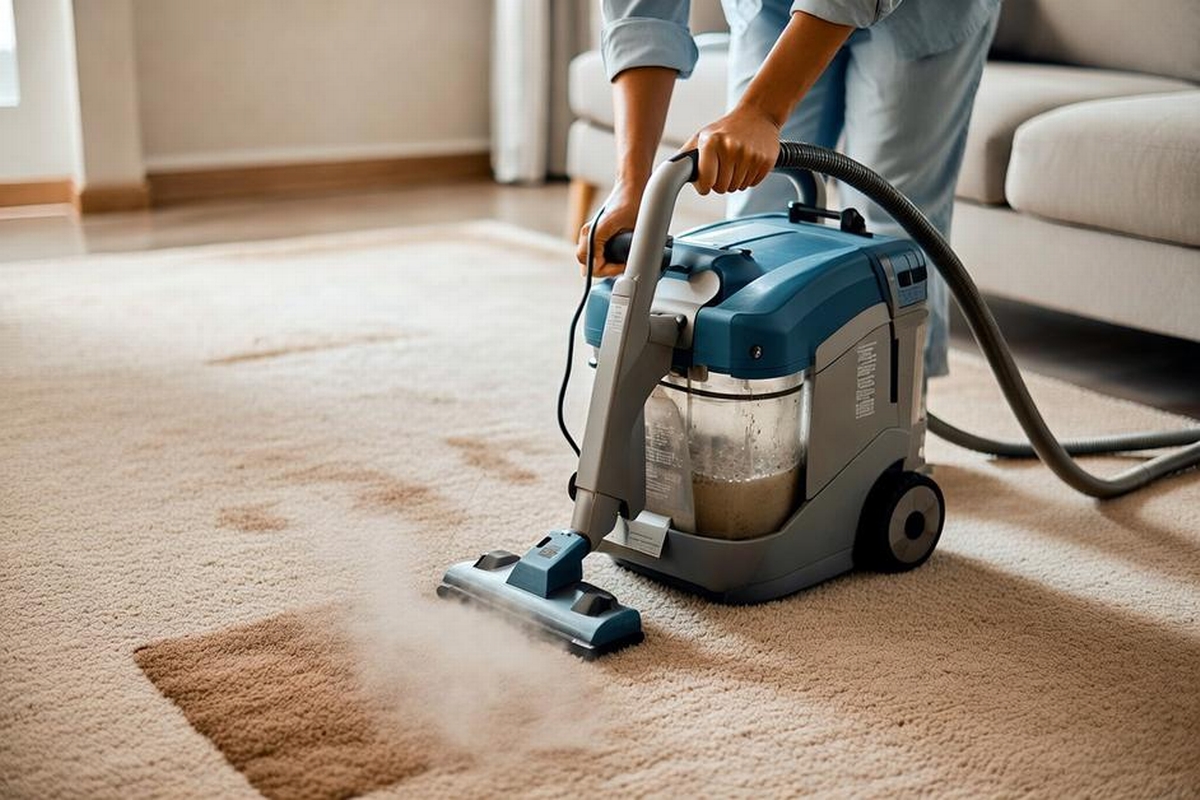
Carpet cleaning is a routine task that many homeowners undertake to maintain a clean and healthy living environment. However, there's growing conc...
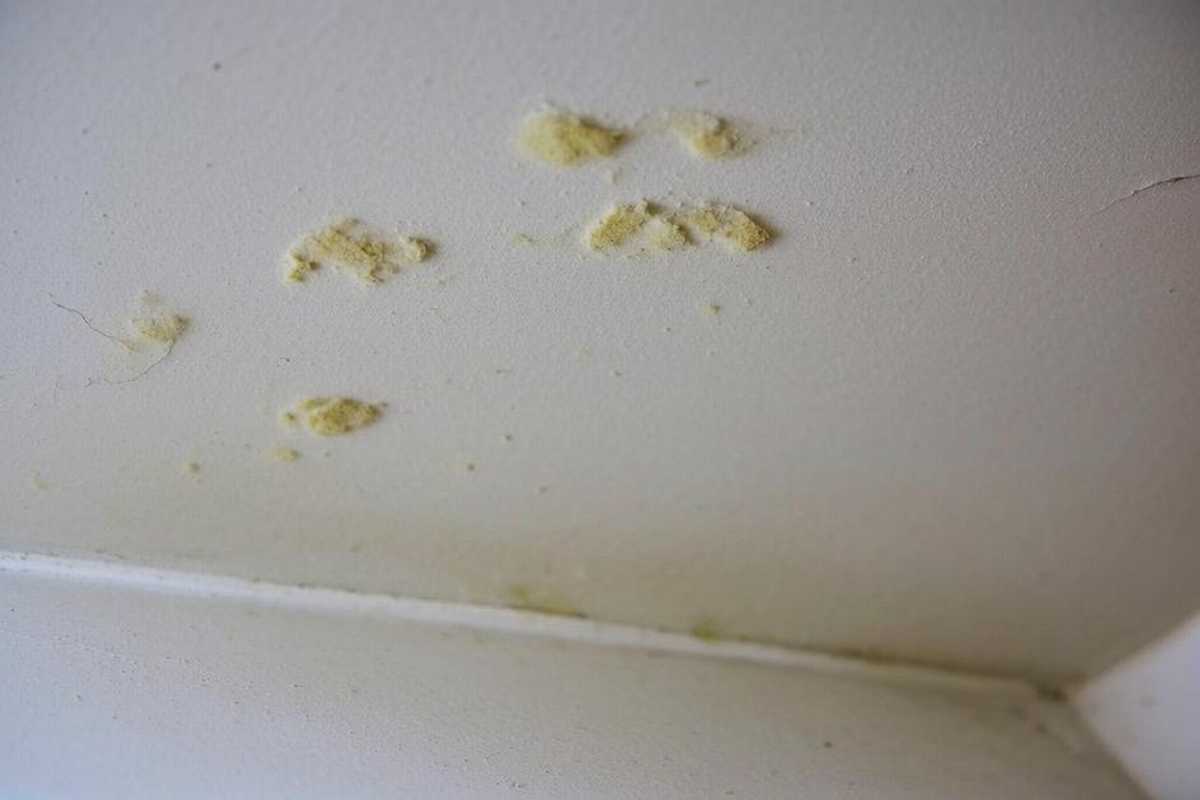
Mold in homes is a common concern for many homeowners, particularly when it appears on the bathroom ceiling. Yellow mold, a distinct and often misunde...