Fire Damage Recovery for Business Owners: Getting Operations Back on Track
November 9, 2026

24/7 Emergency Service(941) 260-2721
At Your Property Quickly1-Hour Response Time
When a fire is finally out, it is tempting to believe the worst is behind you. In reality, the water used to extinguish the flames can set the stage for a second, slower disaster. The connection between fire damage and mold surprises many homeowners, yet it is one of the most common challenges we address when providing emergency damage restoration services in Sarasota and the nearby towns. The same effort that saves a structure can leave behind the exact conditions mold needs to thrive.
Firefighting introduces an enormous volume of water into walls, flooring, insulation, and framing. Combine that saturation with Florida's warm, humid climate, and spores can begin colonizing damp materials within a day or two. Understanding why this happens, and acting quickly, is the key to protecting both your property and your health after a fire.
Putting out a structure fire often requires hundreds or even thousands of gallons of water. That water does not simply evaporate once the flames are gone. It soaks into drywall, pools beneath flooring, wicks up into studs, and settles deep inside insulation and cavities you cannot see. Even after the visible puddles are mopped up, significant moisture remains trapped in porous materials throughout the home.
Mold only needs three things to grow: moisture, an organic food source, and time. A fire-damaged home offers all three in abundance. Wet drywall, wood framing, and paper-backed insulation are ideal food sources, and the humid conditions common across our region keep surfaces damp long enough for colonies to take hold. This is why fire damage and mold are so frequently discovered together, often within 48 to 72 hours of the original event.
To make matters more complicated, firefighting water frequently carries soot, ash, and chemical residue as it spreads. These contaminants not only stain surfaces but can also feed microbial growth and complicate cleanup. What looks like a simple drying job on the surface is often a layered problem that demands professional attention.
One of the biggest dangers with fire-related moisture is how well it hides. The charred walls and smoke stains grab your attention, while the real threat quietly develops behind the scenes. Water migrates to the lowest and most concealed areas of a building, which means mold often begins inside wall cavities, under cabinets, beneath flooring, and above ceilings before it ever becomes visible.
Homeowners sometimes focus entirely on cleaning soot and deodorizing smoke, assuming the moisture will dry on its own. Unfortunately, trapped water rarely evaporates quickly enough to prevent growth, especially in enclosed spaces with limited airflow. By the time a musty odor appears or dark spots surface on the drywall, mold may have already spread well beyond the original point of saturation.
Because fire damage and mold develop on different timelines, a property can look significantly improved on the surface while deteriorating inside. This is exactly why thorough moisture detection, using tools like meters and thermal imaging, is such an essential part of any serious fire recovery effort.
Mold is more than a cosmetic nuisance. Exposure can trigger respiratory irritation, aggravate allergies and asthma, and create ongoing discomfort for sensitive individuals. After a fire, when a family is already dealing with stress, displacement, and air quality concerns from smoke, adding a mold problem to the mix only compounds the hardship.
There are structural stakes as well. Prolonged moisture weakens framing, swells and delaminates wood, corrodes fasteners, and breaks down drywall. Left unaddressed, what began as recoverable fire damage can turn into extensive demolition and reconstruction. Treating the water intrusion promptly often means the difference between drying materials in place and tearing them out entirely.
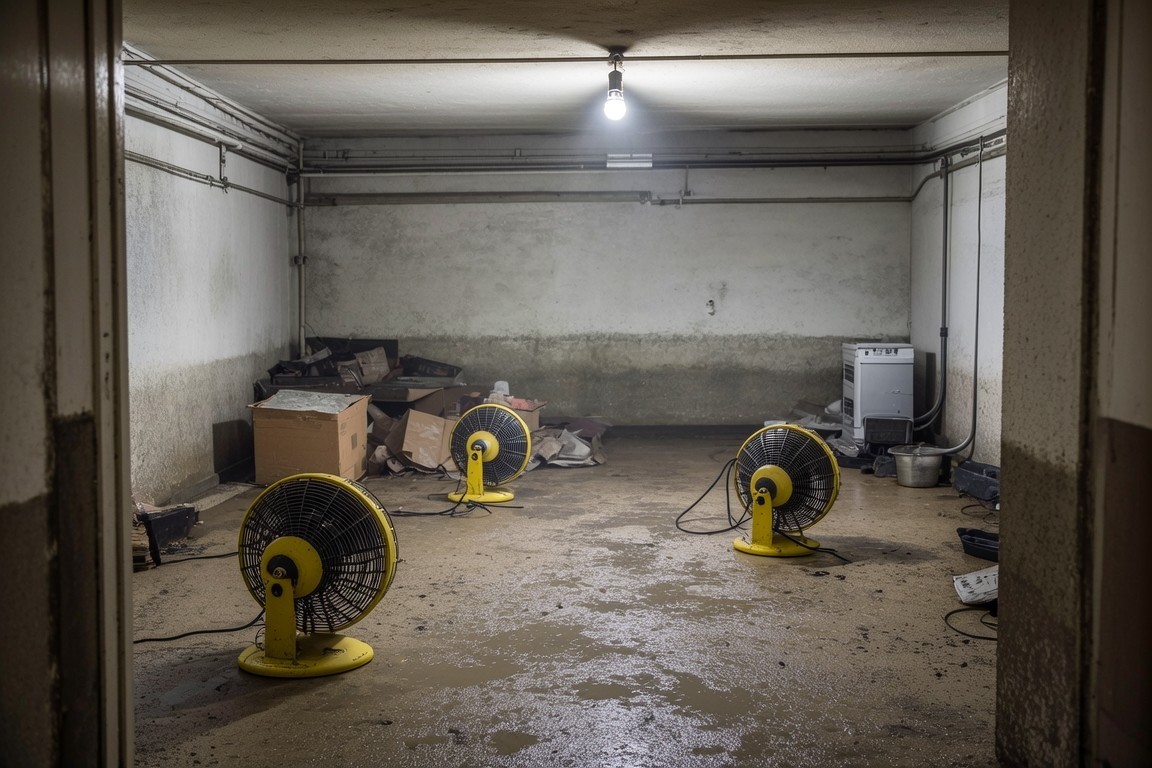
Effective recovery treats fire, smoke, water, and mold as parts of a single connected problem rather than separate projects. The order of operations matters. Standing water and saturation must be extracted and dried aggressively, often with commercial air movers and dehumidifiers, before deodorizing and rebuilding can succeed. Skipping or rushing the drying phase almost guarantees mold will reappear later.
A sound response generally follows a clear sequence:
Our team has deep experience with the water side of restoration, which is critical here because fire recovery is so often a water restoration service in disguise. Managing both at once prevents the common mistake of restoring a home cosmetically while leaving moisture to breed problems inside the walls. That integrated approach is what makes fire damage restoration in Sarasota, FL far more than soot removal.
While professional help is on the way, there are a few safe steps that can limit secondary damage. If the structure has been cleared as safe to enter, open windows and doors to encourage airflow and begin reducing humidity. Avoid using HVAC systems that may spread soot or spores, and resist wiping or scrubbing smoke-stained surfaces, since improper cleaning can drive residue deeper and worsen staining.
Documenting everything with photos and video supports your insurance claim and helps restoration professionals understand the scope. Keep an inventory of damaged belongings, and do not discard items prematurely unless they pose a safety hazard. Most importantly, treat time as your enemy. The sooner moisture is removed, the smaller the chance that fire damage and mold will combine into a much larger restoration project.
It is also worth remembering that moisture threats are not limited to one city. Our crews serve Sarasota and the surrounding communities, and the same expertise that handles fire recovery also supports mold removal and remediation in Venice, FL for homeowners facing related concerns nearby.
The relationship between fire damage and mold is one of the most underestimated risks in home restoration. Firefighting water saturates materials, Florida's humidity keeps them damp, and mold quietly takes advantage of the opportunity while attention stays fixed on soot and smoke. Recognizing that a fire often leaves behind a hidden water problem is the first step toward a complete and lasting recovery.
By acting quickly, drying thoroughly, and addressing fire, smoke, water, and mold as a connected process, you can protect both your property's structure and your family's health. The goal is not just to make a home look restored, but to ensure it is genuinely safe, dry, and sound beneath the surface.
If your property has recently suffered a fire, do not wait for mold to reveal itself. Reach out to our team for a prompt assessment, and let experienced professionals help you prevent one disaster from becoming two.
Yes, mold can grow under tiles if there is constant moisture or water damage.
Yes, we can remove mold from carpets affected by water damage. We use specialized cleaning techniques to prevent health risks.
Explore our fire damage prevention tips and proactive measures to safeguard your home or business.
Remove any affected tiles and clean the area thoroughly with a mold-specific cleaner.
Yes, mold can pose health risks such as respiratory issues and aggravation of allergies.
Mold exposure can lead to various health issues, especially for individuals with allergies or respiratory conditions. Common symptoms include coughing, sneezing, throat irritation, and, in some cases, exacerbation of asthma. Prolonged exposure to mold can potentially lead to more severe health problems, making prompt mold remediation essential.
Signs include musty odors, visible mold growth on surfaces, and allergy-like symptoms among occupants.
Black mold is a type of fungus that looks dark green or black. There are many kinds of black mold, but when most people refer to it, they're referring to Stachybotrys chartarum ( S. chartarum ). It grows and spreads on materials that contain a lot of cellulose, including paper products, wood products and drywall. Cellulose is a fiber in fruits, vegetables and other plants. It's part of the cell wall.
Black mold needs warm temperatures and moisture to grow and spread. It commonly appears in damp or water-damaged areas of your home, such as basements, showers and windows.
For most people, black mold won't make you very sick or kill you.
The first step is to ensure the safety of all occupants and contact a professional restoration company as soon as possible. Call Accutech Restoration & Remodeling now for emergency fire restoration or water restoration services.
Contact Accutech Restoration & Remodeling immediately for professional assessment and mitigation.
We assist in navigating insurance claims to maximize coverage for fire damage restoration services.
November 7, 2026
November 3, 2026

November 1, 2026
Join our community for maintenance and DIY tips and tricks, where we help homeowners and business owners like you learn preventative maintenance and be better prepared for disasters.
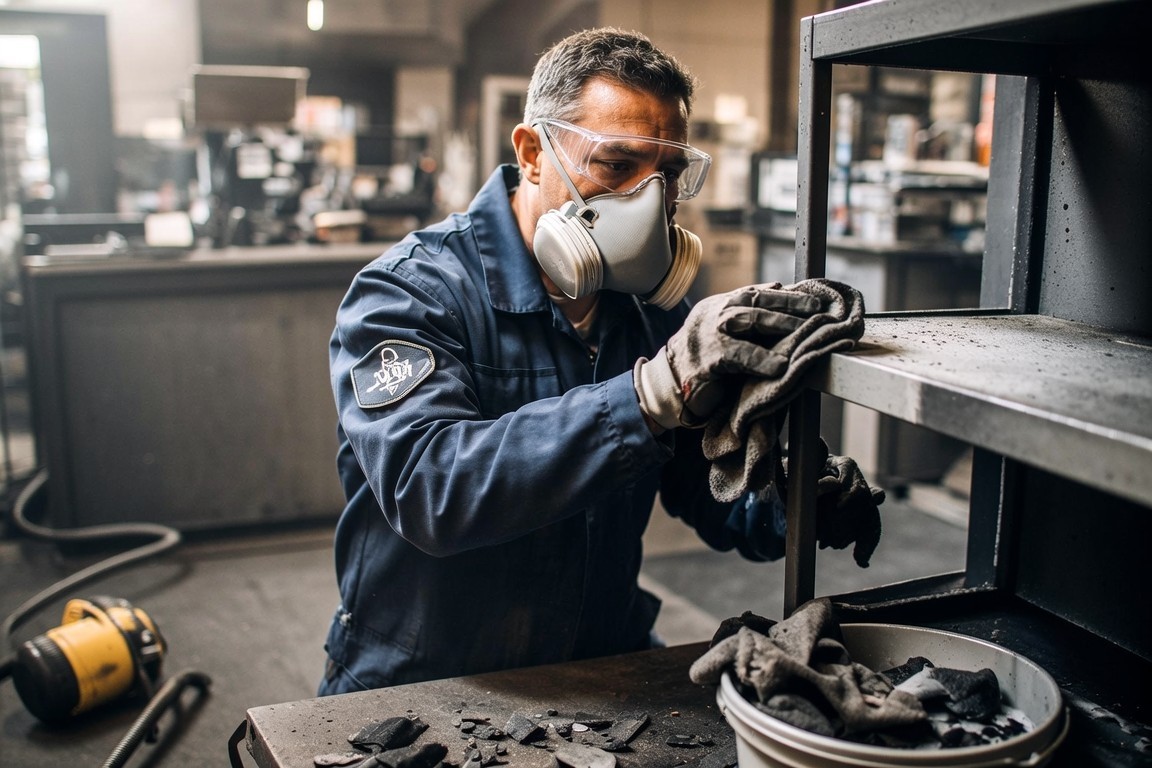
Fire damage recovery for business owners in Sarasota, FL. Learn the steps to protect your property, restore operations, and reopen your doors faster.
Learn how to prevent mold after water damage with fast action, proper drying, and expert tips from Accutech Restoration serving Sarasota, FL and nearb...