What Does Mold Look Like on Insulation? Visual Clues and Next Steps
November 15, 2026

24/7 Emergency Service(941) 260-2721
At Your Property Quickly1-Hour Response Time
Insulation is one of those parts of a home that most people never think about until something goes wrong. Tucked away in attics, crawl spaces, and behind walls, it does its job quietly for years. But when moisture finds its way in, that hidden material can become a breeding ground for something you definitely do not want in your home. If you have ever asked yourself what does mold look like on insulation, you are already ahead of many homeowners who miss the warning signs entirely. For urgent situations, our team offers emergency damage restoration services in Sarasota, but knowing what to look for is the first step toward protecting your property.
Mold on insulation is not always obvious, and that is part of what makes it so tricky. It can hide behind vapor barriers, cling to the backing of fiberglass batts, or spread across the fluffy fibers in a way that blends in with normal discoloration. Below, we will walk through the visual clues, the smells and symptoms that often come with them, and the next steps you should take if you suspect a problem.
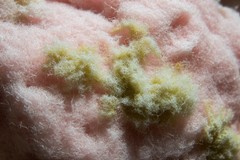
The appearance of mold depends heavily on the type of insulation you have and how long the moisture problem has been developing. On fiberglass insulation, which is usually pink, yellow, or white, mold often shows up as dark spots or streaks. You might see black, green, gray, or even brownish patches that stand out against the lighter material. In more advanced cases, the mold can appear fuzzy or stringy, almost like cobwebs or lint that does not belong there.
Spray foam and rigid foam insulation tend to resist mold on the surface, but mold can still grow on dust, dirt, or organic debris that settles on top of it. Cellulose insulation, which is made from recycled paper, is especially vulnerable because the material itself provides food for mold. On cellulose, you may notice clumping, matted sections, or discoloration that spreads unevenly across the surface.
So when someone asks what does mold look like on insulation, the honest answer is that it varies. The common thread is unexpected discoloration paired with signs of moisture. Any black, green, or white fuzzy growth on insulation should be treated as a potential mold issue until proven otherwise.
Mold does not always announce itself visually, especially when it grows on the back side of insulation or inside wall cavities. That is why your other senses matter just as much as your eyes. A persistent musty, earthy odor is one of the most reliable indicators of hidden mold. If a particular room, closet, or section of your attic smells damp even after cleaning, moisture and mold may be lurking in the insulation.
Physical symptoms can also point you in the right direction. If you or your family members experience unexplained sneezing, coughing, itchy eyes, or congestion that improves when you leave the house, poor indoor air quality from mold could be the culprit. These reactions are common in humid climates like Florida, where warm, moist air creates ideal conditions for growth.
Water stains are another red flag worth tracking down. Yellow or brown discoloration on ceilings, walls, or near insulation often signals a past or ongoing leak. Since moisture is the fuel mold needs, finding the source of a leak frequently leads you straight to hidden growth.
Insulation and mold have an unfortunate relationship, largely because of where insulation lives. Attics, basements, and crawl spaces tend to trap humidity, experience temperature swings, and stay out of sight for long stretches. When warm, moist air meets cooler surfaces, condensation forms, and that trapped moisture soaks into the insulation.
Common triggers include roof leaks, plumbing leaks, poor ventilation, and high indoor humidity. In coastal and subtropical areas, the ambient moisture in the air alone can be enough to encourage growth over time. Flooding and storm damage accelerate the problem dramatically, saturating insulation that then stays wet long enough for mold to take hold. If your home has experienced flooding, our resources on hurricane and flood damage cleanup in Sarasota and nearby areas explain how quickly moisture can lead to secondary issues like mold.
It is also worth noting that once insulation becomes contaminated, it rarely recovers. Unlike a hard surface that can be wiped down, porous and fibrous insulation often has to be removed and replaced. The mold embeds itself into the material, making surface cleaning ineffective and potentially unsafe.
This is one of the most common questions homeowners ask, and the answer usually disappoints people hoping for a quick fix. For most types of insulation, cleaning is not a reliable option. Because the material is porous, mold roots itself deep within the fibers where surface sprays cannot reach. Attempting to scrub or treat it can also release spores into the air, spreading the problem to other parts of your home.
Small, isolated issues on non-porous surfaces near insulation might be manageable with proper precautions. However, when the insulation itself is affected, replacement is almost always the correct path. Disturbing moldy insulation without the right protective equipment and containment can expose you to spores and worsen indoor air quality. When in doubt, it is safer to have a professional assess the situation rather than risk spreading contamination throughout your living space.
If you have spotted the visual clues we described and suspect mold on your insulation, a measured response will save you time, money, and health concerns. Rushing in without a plan often does more harm than good. Here is a straightforward way to approach it:
Professional remediation does more than remove visible growth. It identifies the full reach of the contamination, contains the affected area, safely disposes of compromised materials, and treats surrounding surfaces to discourage regrowth. This thorough approach is what separates a lasting solution from a temporary cover-up.
Spotting mold early gives you the best chance of a contained, affordable fix. Now that you understand what does mold look like on insulation, you can keep an eye out for that telltale discoloration, those fuzzy patches, and the musty odors that so often accompany them. Regular checks of your attic and crawl spaces, combined with prompt attention to leaks and humidity, go a long way toward keeping insulation clean and your air healthy.
When the problem grows beyond a simple visual inspection, bringing in experienced professionals is the responsible choice. Our team proudly serves homeowners throughout Sarasota and the surrounding areas, and we also offer mold removal and remediation in Punta Gorda, FL for families dealing with similar concerns farther south. Whether you are facing a small suspicious patch or widespread contamination after a storm, acting quickly protects both your property and your peace of mind.
If you are unsure about what you found in your attic or behind a wall, do not wait for it to spread. Reach out for a professional assessment, get your questions answered, and take the guesswork out of your next steps. A little attention today can prevent a much larger headache tomorrow.
Yes, mold can grow under tiles if there is constant moisture or water damage.
Yes, we can remove mold from carpets affected by water damage. We use specialized cleaning techniques to prevent health risks.
Remove any affected tiles and clean the area thoroughly with a mold-specific cleaner.
Yes, mold can pose health risks such as respiratory issues and aggravation of allergies.
Mold exposure can lead to various health issues, especially for individuals with allergies or respiratory conditions. Common symptoms include coughing, sneezing, throat irritation, and, in some cases, exacerbation of asthma. Prolonged exposure to mold can potentially lead to more severe health problems, making prompt mold remediation essential.
Signs include musty odors, visible mold growth on surfaces, and allergy-like symptoms among occupants.
Black mold is a type of fungus that looks dark green or black. There are many kinds of black mold, but when most people refer to it, they're referring to Stachybotrys chartarum ( S. chartarum ). It grows and spreads on materials that contain a lot of cellulose, including paper products, wood products and drywall. Cellulose is a fiber in fruits, vegetables and other plants. It's part of the cell wall.
Black mold needs warm temperatures and moisture to grow and spread. It commonly appears in damp or water-damaged areas of your home, such as basements, showers and windows.
For most people, black mold won't make you very sick or kill you.
November 15, 2026
November 7, 2026
November 3, 2026
Join our community for maintenance and DIY tips and tricks, where we help homeowners and business owners like you learn preventative maintenance and be better prepared for disasters.
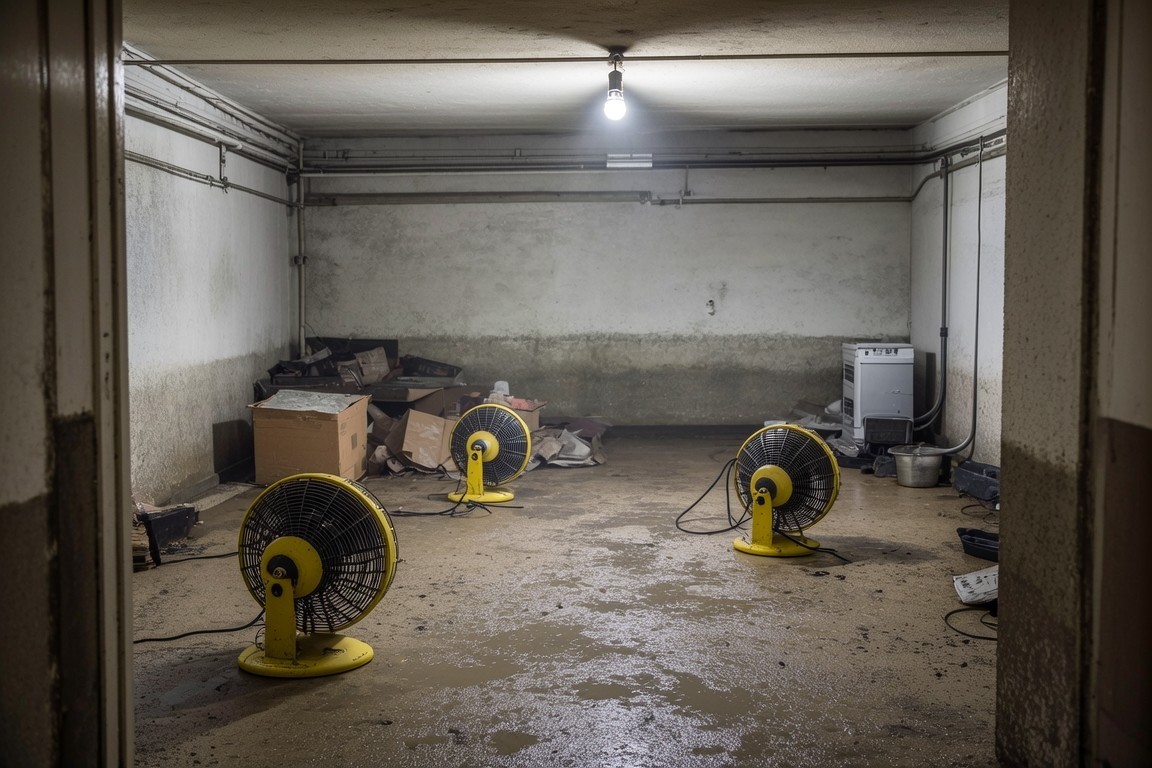
Learn how to prevent mold after water damage with fast action, proper drying, and expert tips from Accutech Restoration serving Sarasota, FL and nearb...
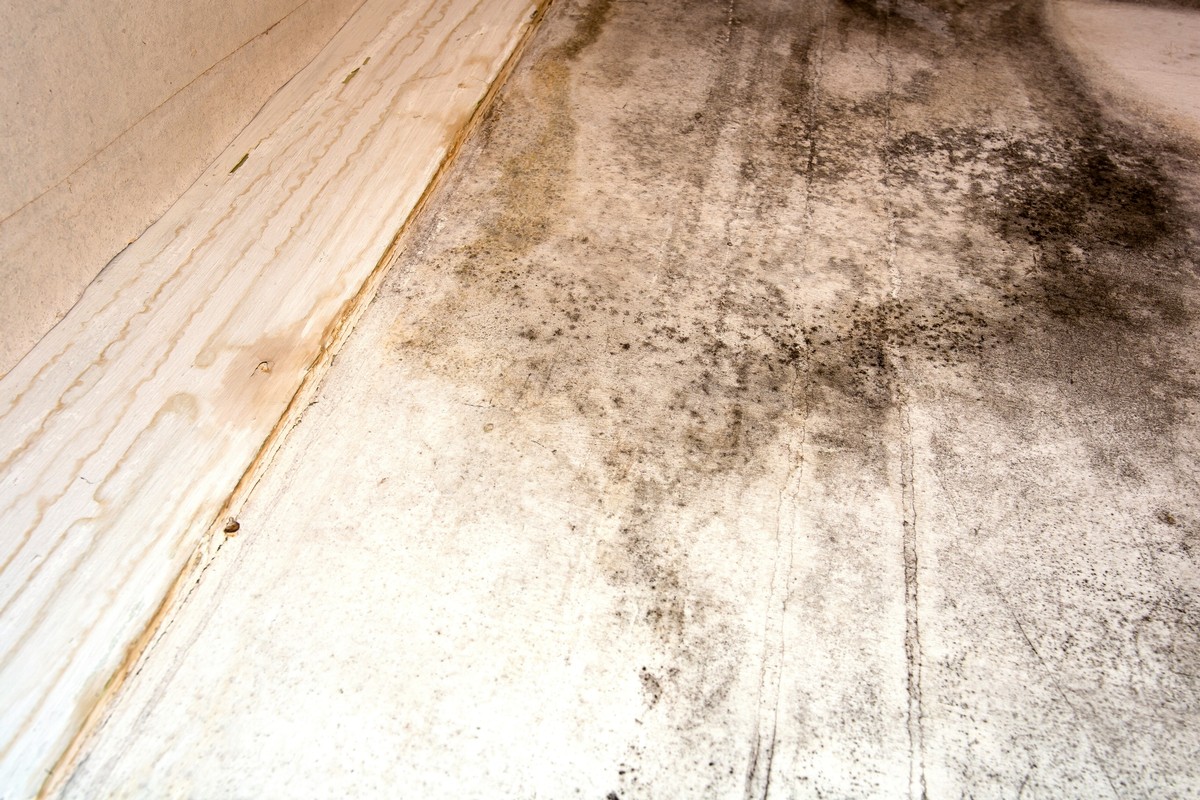
Spotted brown fuzzy mold on wood in your home? Learn what causes it, why it grows, and the safe steps to remove it. Serving Sarasota and nearby areas....