How to Get Rid of Water Damage Odor by Addressing Hidden Moisture
November 21, 2026

24/7 Emergency Service(941) 260-2721
At Your Property Quickly1-Hour Response Time
That musty, lingering smell after a leak or flood is more than an annoyance. It is your home telling you that moisture is still present somewhere you cannot see. Even after the visible water is gone and the carpets feel dry to the touch, odor often remains because dampness has settled into wall cavities, subflooring, or insulation. Understanding how to get rid of water damage odor starts with recognizing that the smell itself is a symptom, not the root problem. If the odor has already taken hold in your home, our team offers emergency damage restoration services in Sarasota, FL to track down and eliminate the source.
Odors from water damage are usually caused by microbial growth and the breakdown of organic materials in persistently wet conditions. In a humid climate like ours, trapped moisture can sustain that smell for weeks or even months. The good news is that once you address the hidden moisture correctly, the odor disappears for good rather than being temporarily masked.
When water seeps into porous building materials, it does not simply evaporate on its own. Drywall, wood framing, carpet padding, and insulation act like sponges, holding moisture deep inside where air cannot easily reach. As these materials stay damp, bacteria and mold begin to colonize, releasing the distinctive earthy or sour odor most people recognize as the smell of water damage.
Masking the odor with air fresheners or deodorizing sprays only covers the symptom. The microbes continue to thrive in the moist environment, and the smell returns as soon as the fragrance fades. This is why learning how to get rid of water damage odor the right way means focusing on drying and removing the affected materials rather than chasing the scent itself. Until the moisture level drops below the point where microbes can survive, the odor will persist.
You cannot eliminate an odor you cannot locate. Hidden moisture often hides behind baseboards, under flooring, inside wall cavities, and around plumbing fixtures. Restoration professionals use moisture meters and thermal imaging cameras to detect dampness without tearing open every wall, pinpointing exactly where the problem lives.
Common trouble spots include the bottom few inches of drywall, the subfloor beneath tile or laminate, and insulation that has absorbed water and compacted. Each of these materials can hold moisture long after the surface appears dry. If you have had issues with your flooring, our guide on water damage repair for wood floors in Sarasota and beyond explains how moisture travels beneath the surface and why early detection matters so much.
Pay special attention to areas near the original source of the leak. A failed appliance or plumbing connection often wets a much larger area than the visible stain suggests. Moisture spreads outward and downward through gravity and capillary action, so the strongest odor is not always directly above the leak.
Once the moisture is located, thorough drying is the single most important step. Surface fans alone are rarely enough because they cannot reach moisture trapped inside walls and floors. Professional-grade air movers combined with commercial dehumidifiers pull water out of the air and encourage trapped moisture to release from building materials over time.
In many cases, affected materials need to be opened up or partially removed to dry properly. This might mean cutting a few inches of drywall away from the floor, lifting a section of flooring, or removing saturated insulation that will never fully dry. While it can feel drastic, removing unsalvageable materials is often the only way to stop odor permanently. For more severe situations, our full range of water restoration services covers everything from extraction to structural drying.
Drying should always be verified with moisture readings, not guesswork. Materials can feel dry on the surface while still holding enough moisture internally to support microbial growth. Confirming that readings have returned to normal levels is what separates a lasting repair from a recurring problem.
After the structure is genuinely dry, any remaining odor can be addressed directly. Professionals use techniques such as thermal fogging, hydroxyl generators, or ozone treatment to neutralize odor molecules rather than cover them. These methods penetrate the same porous surfaces that absorbed the smell, breaking down the compounds responsible for the odor at the molecular level.
It is worth emphasizing the order of operations here. Deodorizing before the area is dry is wasted effort because new moisture simply regenerates the smell. This is the most common mistake homeowners make when trying to figure out how to get rid of water damage odor on their own. Dry first, remove unsalvageable materials, then deodorize. Follow that sequence and the results hold.
Keeping water damage odor away long term comes down to controlling humidity and catching leaks early. In our climate, indoor humidity should ideally stay below sixty percent to discourage mold growth. A quality dehumidifier, proper ventilation in bathrooms and laundry areas, and prompt repair of even minor drips go a long way toward keeping your home fresh.
Appliances are a frequent and overlooked source of slow leaks. Water heaters, dishwashers, and washing machines can develop small failures that keep an area damp without ever causing an obvious flood. Regular inspection of areas prone to moisture, including under sinks, around toilets, and near exterior walls, helps you catch problems while they are still small. The sooner moisture is addressed, the less chance it has to create the kind of deep-seated odor that requires professional intervention.
Some situations are manageable with careful drying and ventilation, but a persistent or spreading odor almost always signals moisture you cannot reach. If the smell returns after cleaning, if you notice visible mold, or if the affected area is large, professional help is the safest path forward. Restoration specialists have the equipment to dry hidden spaces thoroughly and the experience to know which materials can be saved and which must go.
Knowing how to get rid of water damage odor ultimately means treating the cause rather than the symptom. Locate the moisture, dry everything completely, remove what cannot be salvaged, and only then neutralize the lingering scent. Skip any of those steps and the odor comes right back. Done properly, your home smells clean because it genuinely is clean and dry throughout.
Accutech Restoration proudly serves homeowners throughout Sarasota and the surrounding areas, helping families recover from leaks, floods, and the stubborn odors they leave behind. If you are dealing with persistent smells or suspect hidden dampness, contact us for professional help or learn more about our water damage restoration in areas like South Venice. A free assessment can confirm whether hidden moisture is the source and put you back on the path to a fresh, healthy home.
Most home insurance policies cover sudden and accidental water damage from burst pipes. Check your policy details for specific coverage.
Yes, a broken water heater can lead to a high electric bill. If it's not heating water efficiently, a broken water heater may consume more energy and increase your utility bill.
Yes, if you have a broken water heater, it can potentially lead to carbon monoxide leaks. If you suspect a carbon monoxide leak, call us for an emergency response.
While minor leaks can be fixed with DIY methods, it's advisable to consult a professional restoration company, like Accutech Restoration & Remodeling, for significant damage to ensure proper repair and prevent future issues.
Yes, mold can grow under tiles if there is constant moisture or water damage.
Yes, water can seep through grout lines if they are cracked or improperly sealed. You may contact us for help with water leaks and bathroom floor water damage.
Yes, we can remove mold from carpets affected by water damage. We use specialized cleaning techniques to prevent health risks.
Homeowners' insurance typically covers water damage caused by a water heater leak or broken water heater, but it may not cover the cost of repairing or replacing the heater itself. You may contact us for help navigating your insurance claim.
We recommend clearing the area around the damaged drywall to give our technicians easy access.
Preventing flood damage involves proactive measures such as maintaining gutters, ensuring proper drainage around your property, and considering flood-resistant building materials. Accutech Restoration & Remodeling offers tips and resources to help you safeguard your home against future flooding incidents.
To prevent floor warping from water damage, quickly clean up any spills or leaks to avoid prolonged exposure to moisture. You can use mats or rugs in high-moisture areas to keep them dry.
Remove any affected tiles and clean the area thoroughly with a mold-specific cleaner.

November 21, 2026
November 17, 2026
November 15, 2026
Join our community for maintenance and DIY tips and tricks, where we help homeowners and business owners like you learn preventative maintenance and be better prepared for disasters.
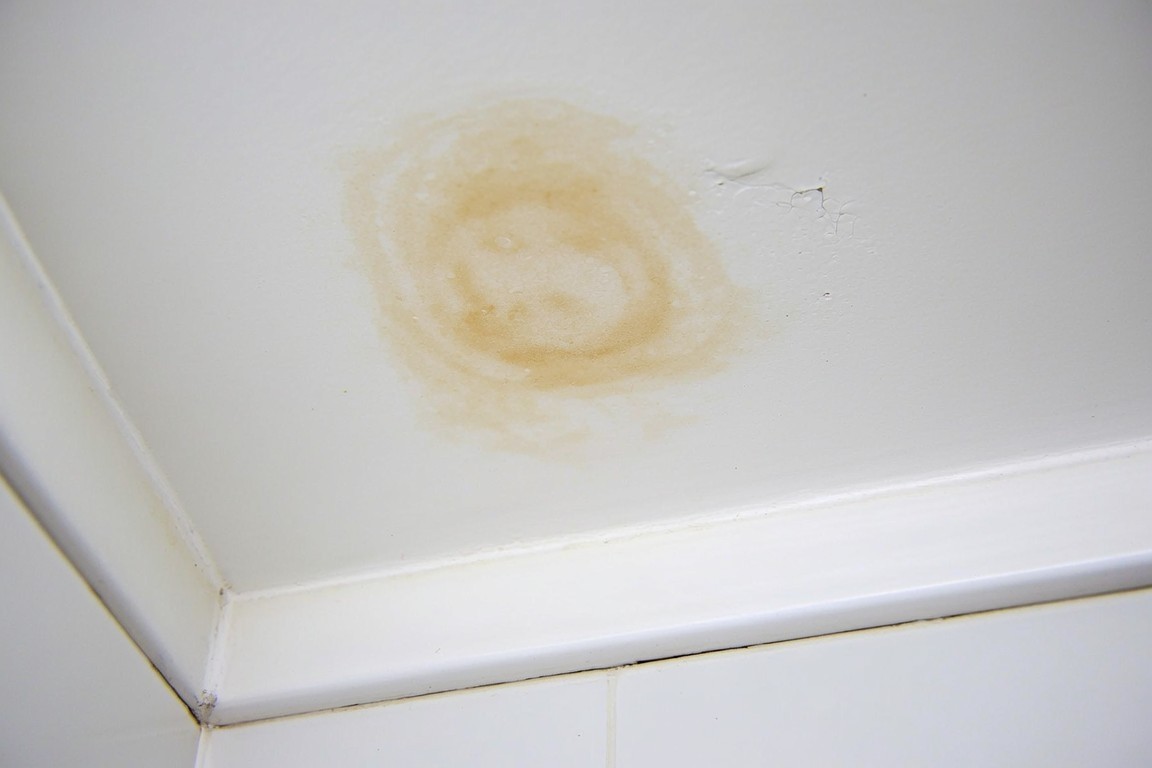
Water damage above your shower? Learn how to tell if it's a plumbing leak or a moisture problem, and when to call the pros in Sarasota, FL.
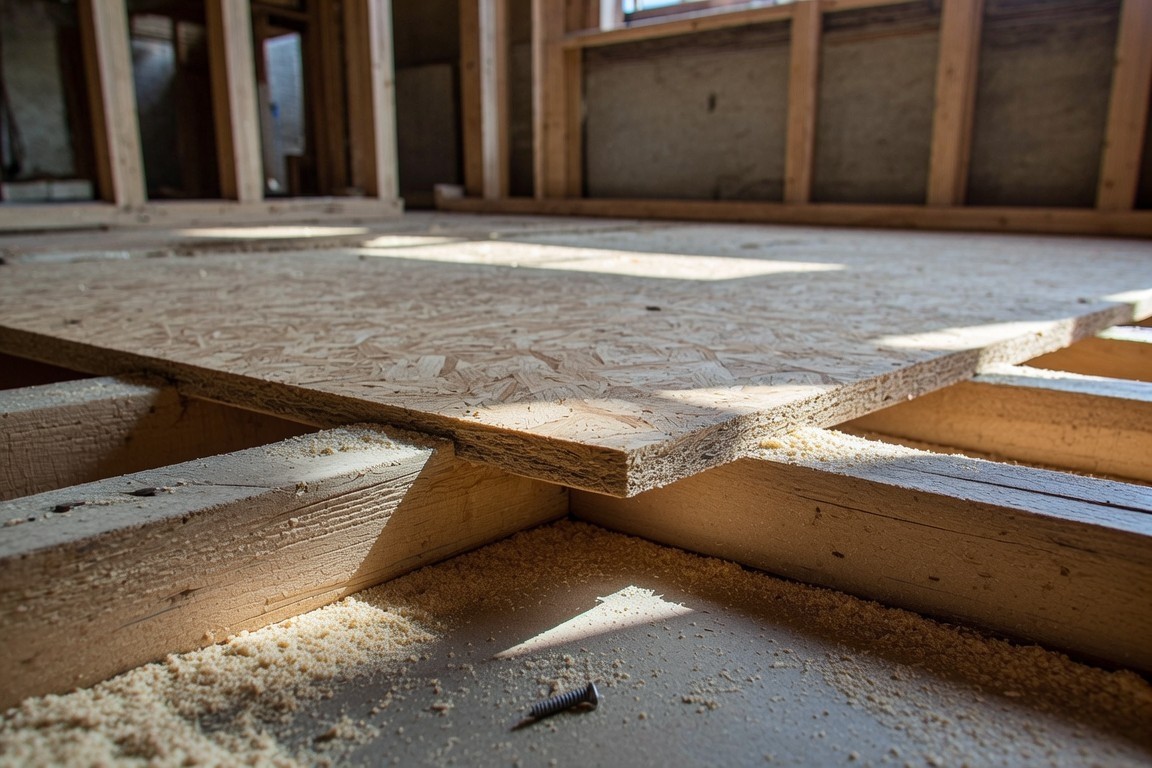
Learn when to replace subfloor from water damage versus repairing it, the warning signs to watch for, and how to protect your Sarasota home from lasti...