Popcorn Ceiling with Water Damage: What to Expect
October 3, 2026

24/7 Emergency Service(941) 260-2721
At Your Property Quickly1-Hour Response Time
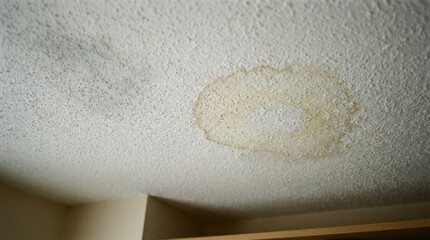
That yellowish-brown ring spreading across your textured ceiling is more than a cosmetic annoyance. When you notice a popcorn ceiling with water damage, it usually signals a leak somewhere above, whether from a roof, a plumbing line, or an appliance overflow. Because the textured coating hides so much of what is happening behind it, homeowners often underestimate how serious the situation has become. If the staining is fresh or spreading, reaching out for emergency damage restoration services in Sarasota and its nearby areas early can prevent a small problem from turning into a costly one.
Popcorn ceilings were popular for decades because they hid imperfections and added a bit of sound dampening. Unfortunately, that same porous texture soaks up moisture like a sponge and makes water damage harder to spot and harder to repair. Understanding what happens once water reaches this type of ceiling helps you make smart decisions before the damage worsens.
The textured coating on a popcorn ceiling is applied over drywall or plaster, and it relies on that surface staying dry to hold its shape. Once moisture seeps in, the coating begins to loosen, discolor, and sometimes fall away in chunks. The drywall underneath swells and weakens, which is why a stained ceiling can eventually start to sag or crumble.
Moisture also travels farther than most people expect. A single stain visible on the surface may represent a much larger wet area within the ceiling cavity. That is why a popcorn ceiling with water damage should never be judged by the size of the stain alone. The trapped moisture can linger for days, creating the perfect environment for mold growth in Florida's warm, humid climate.
One of the biggest concerns with older popcorn ceilings is the possibility of asbestos. Homes built before the 1980s sometimes used asbestos in the texture material. Disturbing that material by scraping, drilling, or letting it flake apart can release harmful fibers into the air. This is one reason professional testing and handling matter so much when water damage forces repairs.
Beyond that, sustained moisture invites mold and mildew, weakens the structure, and can damage insulation, wiring, and framing in the ceiling cavity. A ceiling that feels soft to the touch or begins to bulge downward may be holding pooled water and could collapse without warning. If you see any of these signs, keep people and pets out of the room and address the source of the water quickly.
When a specialist evaluates a popcorn ceiling with water damage, the first priority is stopping the water and identifying the source. There is no point in repairing a ceiling while a roof leak or a burst pipe continues to feed moisture into the cavity. Once the source is under control, the drying and repair work can begin.
Here is a general sense of how the process tends to unfold:
Matching a popcorn texture is one of the trickier parts of the repair. Old and new texture rarely blend perfectly, so many homeowners take the opportunity to have the ceiling refinished smooth instead. That decision often comes down to budget, the age of the home, and personal preference.
Painting over a water stain is tempting because it is quick and cheap, but it only hides the symptom. If the underlying moisture has not been addressed, the stain will bleed back through, and the drywall behind it will keep deteriorating. Painting also does nothing to stop mold that may already be growing out of sight.
A stain-blocking primer can work if, and only if, the leak is fully repaired and the ceiling is completely dry and structurally sound. Even then, it is worth having the area inspected first so you are not sealing a problem inside your ceiling. When in doubt, treat the stain as a warning light rather than a blemish to cover up.
Florida homes face plenty of moisture threats, from summer storms to aging plumbing and worn roofing. Keeping up with roof inspections, cleaning gutters, and checking around bathrooms and water heaters can catch small leaks before they reach your ceilings. Appliances are a common culprit as well, and knowing the warning signs can save you from an unexpected overflow and costs of water heater damage repair in Sarasota and beyond.
Good attic ventilation and prompt attention to any interior discoloration also go a long way. The sooner a leak is found, the smaller the repair. A ceiling stain caught in its first day is a very different project than one discovered after weeks of slow seepage.
Some homeowners feel comfortable handling a tiny, cosmetic stain from a leak they have already fixed. But a spreading stain, a sagging ceiling, a musty smell, or any home built before the 1980s calls for professional help. The combination of potential asbestos, hidden moisture, and structural risk makes a popcorn ceiling with water damage a poor candidate for guesswork.
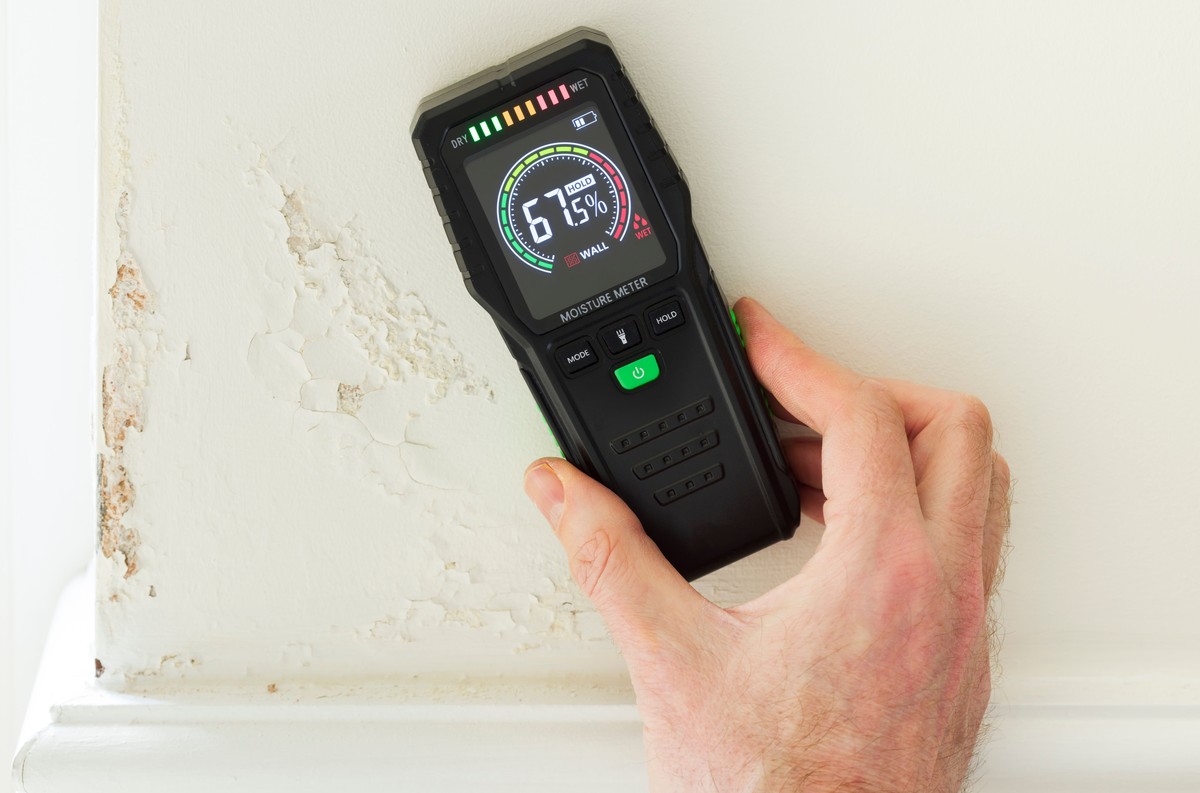
A trained restoration team brings moisture meters, drying equipment, and the experience to find problems you cannot see from the floor. They also handle the removal and rebuild safely, which protects both your home and your health. For homeowners dealing with water damage restoration in Sarasota Springs and nearby communities, having that expertise on your side takes the guesswork out of an already stressful situation.
A popcorn ceiling with water damage is a signal worth taking seriously. The stain you see is only part of the story, and the moisture behind it can lead to mold, structural weakness, and bigger repair bills if it lingers. By finding the source quickly, drying the area properly, and repairing the ceiling the right way, you protect both your home's value and your family's comfort.
If you have noticed a suspicious stain or a leak has already reached your ceiling, do not wait for it to spread. Reach out to our team in Sarasota and the surrounding areas for a thorough inspection and a clear plan to make things right. Fast, informed action is the best way to keep a minor leak from becoming a major renovation.
Most home insurance policies cover sudden and accidental water damage from burst pipes. Check your policy details for specific coverage.
Yes, a broken water heater can lead to a high electric bill. If it's not heating water efficiently, a broken water heater may consume more energy and increase your utility bill.
Yes, if you have a broken water heater, it can potentially lead to carbon monoxide leaks. If you suspect a carbon monoxide leak, call us for an emergency response.
While minor leaks can be fixed with DIY methods, it's advisable to consult a professional restoration company, like Accutech Restoration & Remodeling, for significant damage to ensure proper repair and prevent future issues.
Yes, mold can grow under tiles if there is constant moisture or water damage.
Yes, water can seep through grout lines if they are cracked or improperly sealed. You may contact us for help with water leaks and bathroom floor water damage.
Yes, we can remove mold from carpets affected by water damage. We use specialized cleaning techniques to prevent health risks.
Homeowners' insurance typically covers water damage caused by a water heater leak or broken water heater, but it may not cover the cost of repairing or replacing the heater itself. You may contact us for help navigating your insurance claim.
We recommend clearing the area around the damaged drywall to give our technicians easy access.
Preventing flood damage involves proactive measures such as maintaining gutters, ensuring proper drainage around your property, and considering flood-resistant building materials. Accutech Restoration & Remodeling offers tips and resources to help you safeguard your home against future flooding incidents.
To prevent floor warping from water damage, quickly clean up any spills or leaks to avoid prolonged exposure to moisture. You can use mats or rugs in high-moisture areas to keep them dry.
Remove any affected tiles and clean the area thoroughly with a mold-specific cleaner.
October 3, 2026
October 1, 2026

September 23, 2026

September 21, 2026
Join our community for maintenance and DIY tips and tricks, where we help homeowners and business owners like you learn preventative maintenance and be better prepared for disasters.
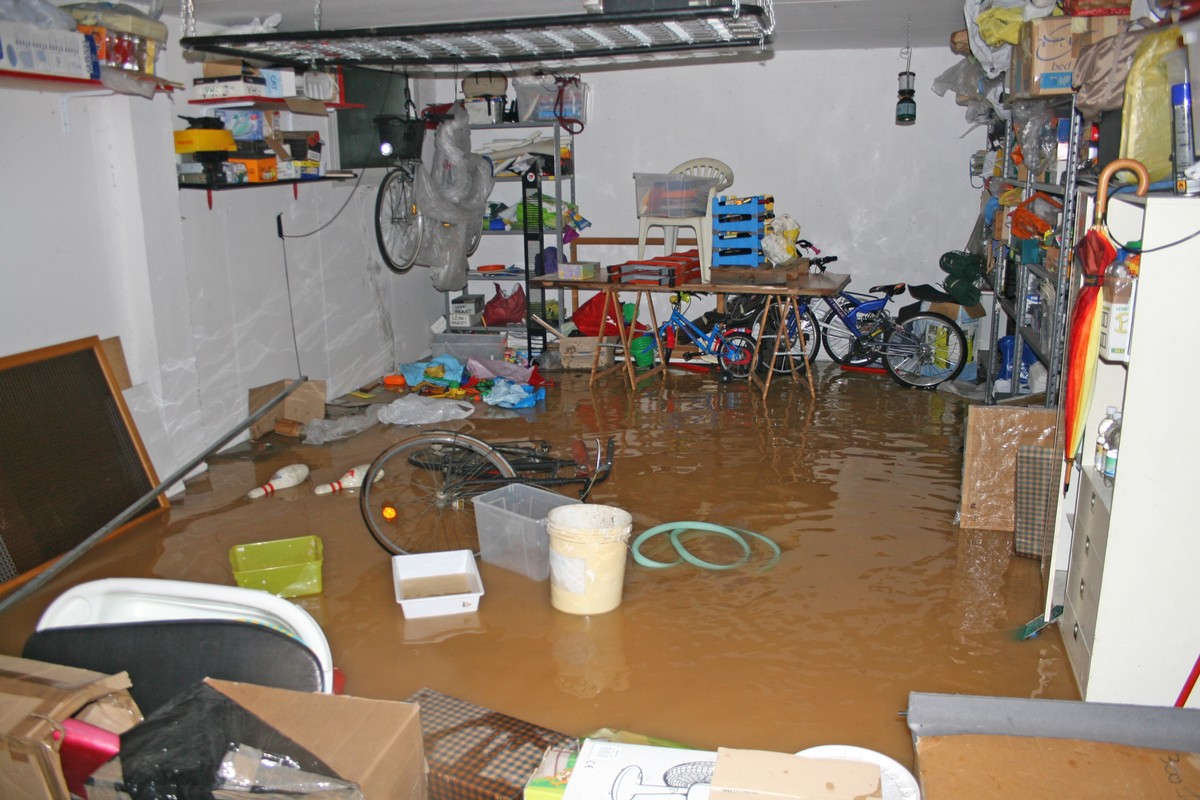
Learn the step-by-step process and realistic timeline for basement flood water removal, plus how fast action protects your home from lasting damage.