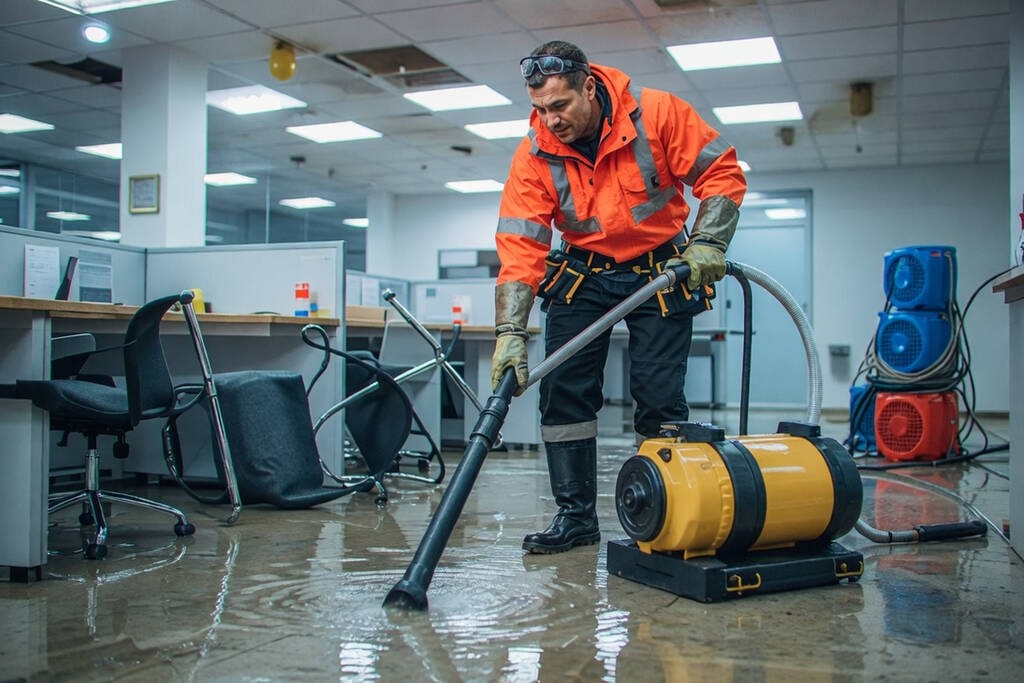
Basement Flood Water Removal: Process and Timeline
October 1, 2026

24/7 Emergency Service(941) 260-2721
At Your Property Quickly1-Hour Response Time
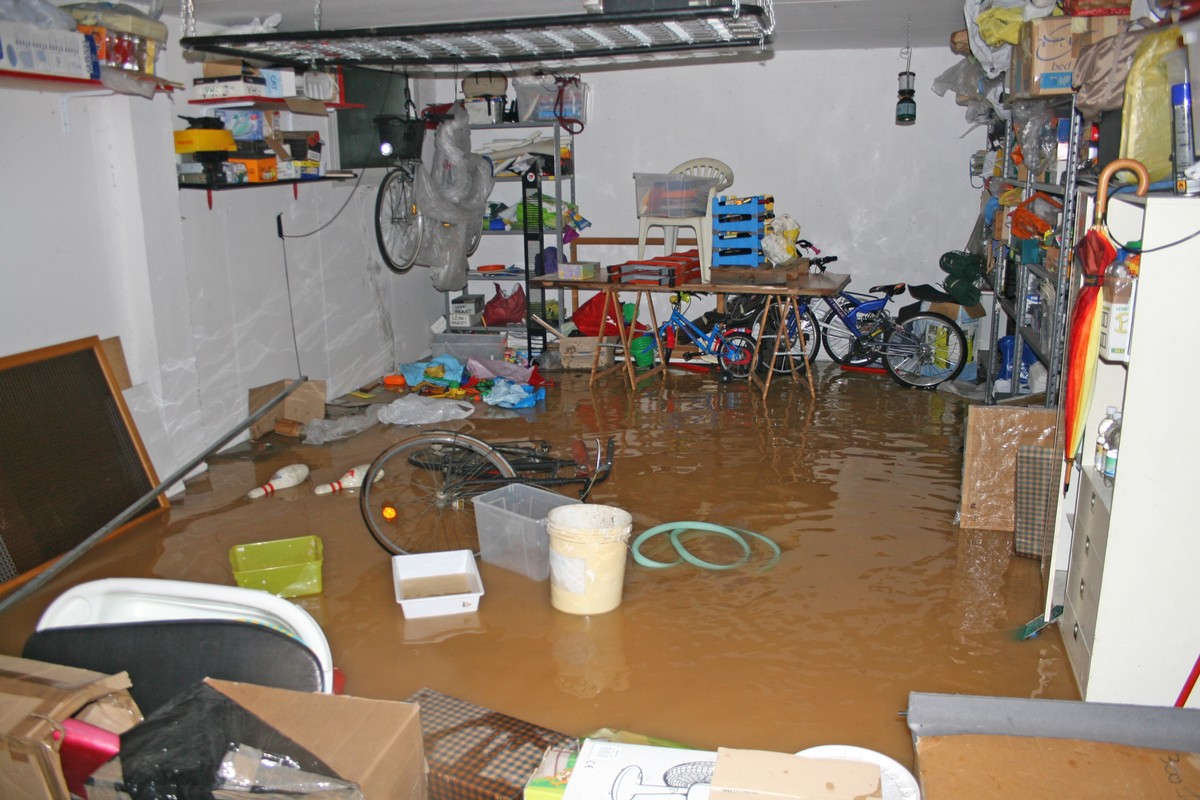
A flooded basement rarely arrives at a convenient hour. Whether it starts with a burst pipe overnight, a failed sump pump during a downpour, or storm water pushing in through the foundation, the water keeps rising while you scramble for answers. That is why basement flood water removal is one of the most time-sensitive challenges a homeowner can face, and why knowing what happens next brings a real sense of relief. If your basement is filling right now, our team offers emergency damage restoration services in Sarasota, FL and can begin the process quickly.
Understanding the steps involved, along with a realistic timeline, helps you make smart decisions under pressure. Below, we walk through how professional basement flood water removal actually works, from the first phone call to the final moisture reading, so you know what to expect at every stage.
Water damage is not static. Within the first hour, standing water begins seeping into drywall, insulation, subflooring, and stored belongings. After 24 to 48 hours, the risk of mold growth climbs sharply, and porous materials that could have been saved may need to be removed entirely. In a humid climate like ours, that window shrinks even faster.
This is the core reason basement flood water removal should never wait until morning or until the weekend passes. Every hour of delay generally means more materials to replace, higher costs, and a longer overall recovery. Acting immediately protects not only your finishes and furniture but also the structural and air-quality health of your home. The good news is that a fast, organized response can dramatically limit the damage before it spreads.
While every flood is different, the professional approach follows a consistent sequence. Each step builds on the last, and skipping any one of them tends to create problems later.
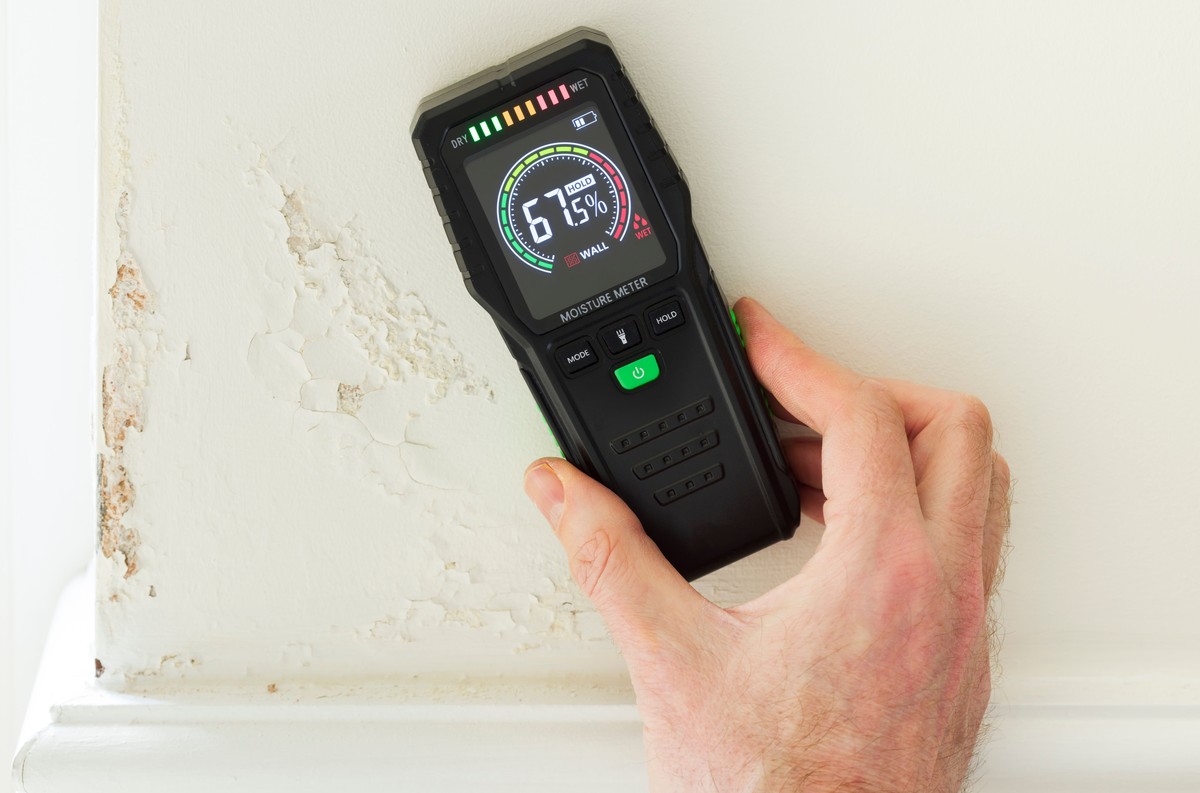
Thorough basement flood water removal is about far more than pumping out visible water. The hidden moisture inside walls and beneath floors is what causes the most trouble down the road, which is why professional-grade drying equipment and monitoring make such a difference.
One of the first questions homeowners ask is how long the whole thing will take. The honest answer is that it depends on how much water entered, how long it sat, and which materials were affected. Still, a general timeline gives you a useful frame of reference.
The extraction of standing water often happens within the first several hours of arrival, sometimes faster for smaller floods. The demolition of unsalvageable materials usually follows on the same day. The drying phase is where patience is required, since it typically runs three to five days as equipment steadily removes deep moisture. Concrete and dense framing can hold water longer than people expect, so rushing this stage risks trapping dampness behind new walls.
After drying is verified, the rebuild or restoration phase begins, and its length varies widely based on the scope. Replacing drywall and repainting a small area may take days, while a fully finished basement can take longer. Throughout the process, communication matters, and a reputable crew will keep you updated on daily progress and moisture readings rather than leaving you guessing.
While professional basement flood water removal is the safest and most effective route, there are a few things you can do in the meantime to protect your home and your family. Only take these steps if it is safe to do so.
These early actions can reduce loss and make the professional response smoother. Just remember that safety always comes first, and no possession is worth an injury.
Basements flood for predictable reasons, and knowing them helps you guard against a repeat. Sump pump failures, especially during heavy storms, are among the most common culprits. Cracks in the foundation, poor exterior drainage, clogged gutters, and failing appliances all contribute as well. A broken water heater in or near a basement can release a surprising volume of water in a short time.
Prevention is not complicated, but it does require consistency. Test your sump pump regularly and consider a battery backup for power outages. Keep gutters and downspouts clear so water is directed away from the foundation. Seal foundation cracks as they appear, and inspect aging appliances and water lines before they fail. These small habits go a long way toward keeping your basement dry through storm season.
Of course, some floods simply cannot be prevented, particularly those driven by major storms. When severe weather strikes, professional cleanup becomes essential, and we also provide hurricane and flood damage cleanup in Sarasota for the most demanding situations across our region.
When your basement floods, the choices you make in the first hour shape the weeks that follow. Prompt basement flood water removal, followed by proper drying and verification, is what separates a manageable repair from a lingering problem. The process is methodical, the timeline is workable, and the outcome is a home restored to a safe, dry, and healthy condition.
Accutech Restoration and Remodeling proudly serves homeowners throughout Sarasota and the surrounding communities. Whether you need fast water damage restoration in Sarasota or storm damage restoration in Punta Gorda, our team is ready to respond, assess the damage, and guide you through every step.
If you are dealing with a flooded basement or want to prepare before the next storm, reach out to us for a rapid response and clear answers. Acting quickly protects your home, your belongings, and your peace of mind, and we are here to help you get back to normal as soon as possible.
Most home insurance policies cover sudden and accidental water damage from burst pipes. Check your policy details for specific coverage.
Yes, a broken water heater can lead to a high electric bill. If it's not heating water efficiently, a broken water heater may consume more energy and increase your utility bill.
Yes, if you have a broken water heater, it can potentially lead to carbon monoxide leaks. If you suspect a carbon monoxide leak, call us for an emergency response.
While minor leaks can be fixed with DIY methods, it's advisable to consult a professional restoration company, like Accutech Restoration & Remodeling, for significant damage to ensure proper repair and prevent future issues.
Yes, mold can grow under tiles if there is constant moisture or water damage.
Yes, water can seep through grout lines if they are cracked or improperly sealed. You may contact us for help with water leaks and bathroom floor water damage.
Yes, we can remove mold from carpets affected by water damage. We use specialized cleaning techniques to prevent health risks.
Homeowners' insurance typically covers water damage caused by a water heater leak or broken water heater, but it may not cover the cost of repairing or replacing the heater itself. You may contact us for help navigating your insurance claim.
We recommend clearing the area around the damaged drywall to give our technicians easy access.
Preventing flood damage involves proactive measures such as maintaining gutters, ensuring proper drainage around your property, and considering flood-resistant building materials. Accutech Restoration & Remodeling offers tips and resources to help you safeguard your home against future flooding incidents.
To prevent floor warping from water damage, quickly clean up any spills or leaks to avoid prolonged exposure to moisture. You can use mats or rugs in high-moisture areas to keep them dry.
Remove any affected tiles and clean the area thoroughly with a mold-specific cleaner.
October 1, 2026

September 23, 2026

September 21, 2026
September 17, 2026
Join our community for maintenance and DIY tips and tricks, where we help homeowners and business owners like you learn preventative maintenance and be better prepared for disasters.