How to Prevent Mold After Water Damage
October 23, 2026

24/7 Emergency Service(941) 260-2721
At Your Property Quickly1-Hour Response Time
The bathroom is one of the most water-exposed rooms in any home, yet it is also where damage tends to hide the longest before anyone notices. A slow leak behind a vanity or a slightly loose toilet seal can quietly soak subfloors and wall cavities for weeks, and by the time you see a stain or smell something musty, the problem has already spread. That is why understanding bathroom water damage, and knowing where it likes to hide, can save you from an expensive surprise down the road. If a leak ever gets ahead of you, our team offers emergency damage restoration services in Sarasota and its surrounding areas to help you act fast.
Bathrooms combine constant moisture, plumbing connections, and daily use in a relatively small space. Every one of those fixtures and fittings is a potential failure point, and the humid Florida climate only speeds up the breakdown of caulk, grout, and sealants. The good news is that most of these trouble spots are easy to monitor once you know what to look for.
Water in a bathroom does not always announce itself with a dramatic flood. More often it arrives as a trickle, a drip, or a bit of seeping moisture that finds the path of least resistance. Because so much of a bathroom's plumbing runs behind walls and beneath floors, the first signs of a problem are frequently out of sight. Add in the fact that bathrooms stay warm and damp, and you have the perfect conditions for mold to take hold within a day or two of unaddressed moisture.
Homeowners also tend to assume that tile and sealed surfaces are waterproof. In reality, grout is porous, caulk shrinks and cracks over time, and even a tiny gap can let water travel into the structure behind your walls. Recognizing this early is the key to preventing a minor repair from turning into a major one.
Some of the worst bathroom water damage starts in places you rarely inspect. The base of the toilet is a prime example. When the wax ring that seals the toilet to the floor fails, water seeps out slowly with every flush, soaking the subfloor and often the ceiling of the room below. A toilet that rocks slightly or a floor that feels soft nearby is a warning sign worth taking seriously.
Shower and tub surrounds are another common culprit. The caulk lines where the wall meets the tub, and the grout between tiles, are constantly battered by hot water and steam. Once those seals break down, water slips behind the tile and into the wall framing, where it can sit undetected for a long time. Under the sink, the supply lines, drain connections, and shut-off valves can develop slow drips that quietly ruin the cabinet base and the flooring beneath it.
Here are the hidden areas worth checking every few months:
Exhaust fans matter more than most people realize, too. A bathroom without proper ventilation traps humidity, which condenses on walls and ceilings and feeds mold growth over time. If your mirror stays fogged long after a shower or you notice peeling paint near the ceiling, moisture is lingering where it should not.
Flooring absorbs a lot of punishment in a bathroom, and it often shows damage before anything else. Tile can look perfectly intact on the surface while water collects in the thinset and subfloor underneath, loosening tiles and creating a hidden reservoir of moisture. When grout starts to discolor, crack, or feel spongy, there is a good chance water has already made its way below. We regularly handle issues ranging from loose, lifting tile to full subfloor saturation, and our experience with water damaged tile floors in Sarasota shows how much can be going on beneath a seemingly solid surface.
Vinyl and laminate flooring can trap moisture against the subfloor just as easily, leading to warping, buckling, and that unmistakable musty odor. The problem is not limited to any single community either. Whether it is a cracked grout line in a Sarasota home or a soaked bathroom slab, the same patterns repeat. We also address water damage to tile floors in North Port, FL, where the combination of humidity and older sealants creates similar vulnerabilities.
The earlier you catch bathroom water damage, the less invasive and less costly the repair. Make a habit of looking for the quiet clues: soft or discolored spots on the floor, stains on the ceiling below, a persistent damp smell, or caulk that is pulling away from the tub. Run your hand along the base of the vanity and check under the sink for any dampness or water rings. If your water bill climbs without explanation, a hidden bathroom leak is a reasonable suspect.
When you do find moisture, resist the urge to simply dry the surface and move on. Surface drying rarely reaches the subfloor or wall cavity where water has already settled, and that trapped moisture is exactly what leads to mold and rot. A proper assessment uses moisture meters and, when needed, controlled removal of affected materials to make sure the structure dries completely. Our broader water restoration services are built around finding and addressing that hidden damage rather than just treating what you can see.
Some bathroom leaks are small enough to handle with fresh caulk or a new supply line. Others, especially those involving the subfloor, wall framing, or a persistent musty smell, call for a trained eye and proper drying equipment. If you notice spreading stains, soft flooring, or any sign of mold, it is worth having the area evaluated before the damage grows. Timing matters more than most homeowners expect, since moisture that sits for even a couple of days can shift a simple fix into a significant repair.
Homeowners throughout Sarasota and the surrounding areas trust us for exactly these situations. Our team provides thorough water damage restoration in Sarasota, FL, from pinpointing the source of a hidden leak to drying the structure and restoring the finished space. We know the local building styles and the toll that Florida's humidity takes on bathrooms, and we tailor our approach to each home.
Bathroom water damage rarely starts as an emergency, but it can become one if the warning signs go unnoticed. By keeping an eye on toilets, showers, sinks, floors, and ventilation, you give yourself the best chance to catch trouble while it is still small and manageable. And when a leak does get the upper hand, acting quickly and bringing in professionals early is the surest way to protect your home and your budget. If you suspect moisture is hiding where you cannot see it, reach out for a prompt evaluation and let us help you get ahead of the problem.
Most home insurance policies cover sudden and accidental water damage from burst pipes. Check your policy details for specific coverage.
Yes, a broken water heater can lead to a high electric bill. If it's not heating water efficiently, a broken water heater may consume more energy and increase your utility bill.
Yes, if you have a broken water heater, it can potentially lead to carbon monoxide leaks. If you suspect a carbon monoxide leak, call us for an emergency response.
While minor leaks can be fixed with DIY methods, it's advisable to consult a professional restoration company, like Accutech Restoration & Remodeling, for significant damage to ensure proper repair and prevent future issues.
Yes, mold can grow under tiles if there is constant moisture or water damage.
Yes, water can seep through grout lines if they are cracked or improperly sealed. You may contact us for help with water leaks and bathroom floor water damage.
Yes, we can remove mold from carpets affected by water damage. We use specialized cleaning techniques to prevent health risks.
Homeowners' insurance typically covers water damage caused by a water heater leak or broken water heater, but it may not cover the cost of repairing or replacing the heater itself. You may contact us for help navigating your insurance claim.
We recommend clearing the area around the damaged drywall to give our technicians easy access.
Preventing flood damage involves proactive measures such as maintaining gutters, ensuring proper drainage around your property, and considering flood-resistant building materials. Accutech Restoration & Remodeling offers tips and resources to help you safeguard your home against future flooding incidents.
To prevent floor warping from water damage, quickly clean up any spills or leaks to avoid prolonged exposure to moisture. You can use mats or rugs in high-moisture areas to keep them dry.
Remove any affected tiles and clean the area thoroughly with a mold-specific cleaner.
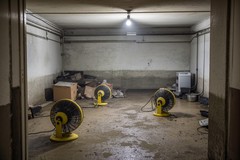
October 23, 2026

October 21, 2026

October 17, 2026
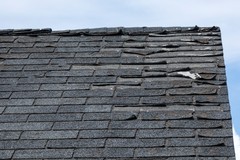
October 15, 2026
Join our community for maintenance and DIY tips and tricks, where we help homeowners and business owners like you learn preventative maintenance and be better prepared for disasters.
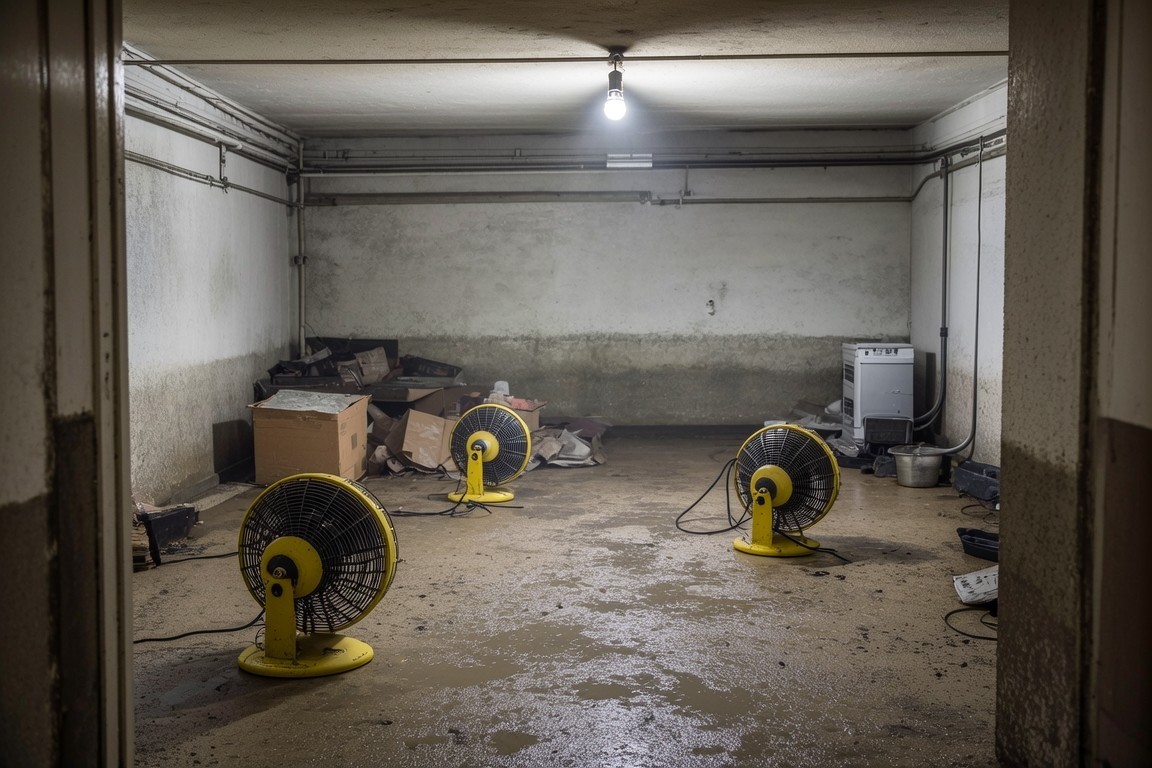
Learn how to prevent mold after water damage with fast action, proper drying, and expert tips from Accutech Restoration serving Sarasota, FL and nearb...
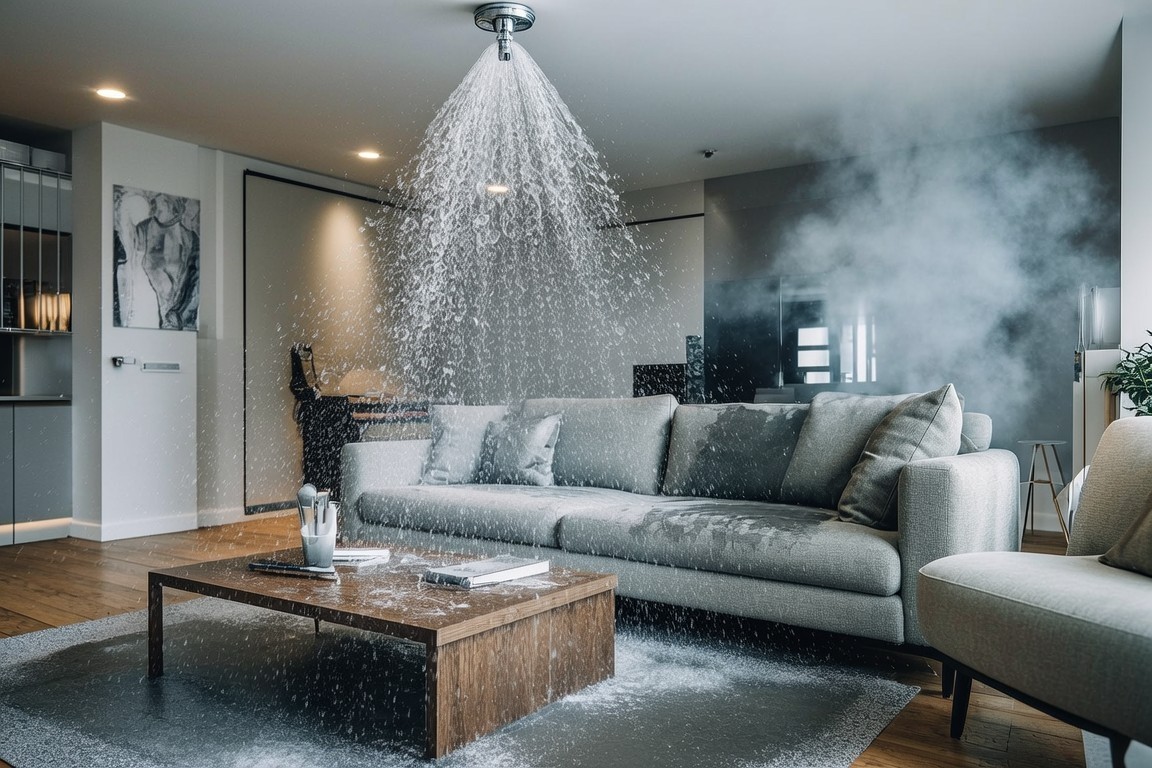
Learn the cleanup steps for fire sprinkler water damage, how to limit losses, and when to call Accutech's restoration experts in Sarasota, FL.