How to Prevent Mold After Water Damage
October 23, 2026

24/7 Emergency Service(941) 260-2721
At Your Property Quickly1-Hour Response Time
Water has a way of hiding where you least expect it, and few places take the hit harder than the subfloor beneath your feet. By the time a soft spot or a musty smell shows up, moisture may have already worked its way deep into the wood or concrete that supports your flooring. Knowing when to replace subfloor from water damage, rather than patching it and hoping for the best, is one of the most important decisions a homeowner can make after a leak or flood. If you are facing a sudden emergency, emergency damage restoration services in Sarasota can help you assess the situation before small problems become expensive ones.
The subfloor is the structural layer that sits between your floor joists and your finished flooring. It carries the weight of everything above it, so when water compromises its integrity, the stakes are higher than a stained carpet or a warped plank. The challenge is that the right answer is not always obvious. Sometimes a thorough drying and minor repair is enough. Other times, the damage has gone too far, and replacement is the only path to a safe, stable floor.
Not all subfloors react to water the same way, and understanding your material is the first step in deciding what to do. Plywood and oriented strand board, known as OSB, are the most common in residential construction. Plywood tends to be more forgiving because its layered design allows it to dry and regain some strength. OSB, on the other hand, is made of compressed wood chips and resins. Once it absorbs water, it often swells, crumbles at the edges, and loses its hold on fasteners, which makes it much harder to save.
Concrete subfloors handle moisture differently. They rarely need outright replacement, but they can trap moisture underneath flooring and feed mold growth or adhesive failure. In those cases the concern is drying and sealing rather than demolition. The point is that the same amount of water can mean a simple repair in one home and a full tear-out in another, which is why a professional evaluation matters so much.
There are clear indicators that a repair will not be enough. When you learn to recognize them, the question of when to replace subfloor from water damage becomes far less of a guessing game. Pay attention to the following warning signs, any one of which should prompt a closer look:
A single damp spot that dries quickly may only need monitoring. But when the wood has lost its rigidity or mold has taken hold, the material can no longer do its job. Saturated OSB in particular rarely bounces back once it begins to swell and delaminate, and attempting to repair it usually leads to callbacks and recurring problems.
How long water sits is often more important than how much water there was. A clean leak caught within a day or two gives you a realistic chance at drying the structure and saving it. Water that has been present for several days, or that came from a contaminated source like sewage or floodwater, is a different story. Prolonged exposure weakens the glue bonds in engineered wood and creates an ideal environment for mold to spread beneath the surface.
Hidden moisture is the silent culprit in many Sarasota homes. A subfloor can look fine from above while the underside stays wet for weeks, feeding rot and mildew out of sight. This is where professional moisture meters and thermal imaging earn their keep, because they reveal what the eye cannot. Our team sees this often during water damage restoration in the Sarasota region, where a floor that felt solid turned out to be hiding extensive damage below. Catching that early can mean the difference between a targeted repair and a larger reconstruction.
Replacement is not always necessary, and no responsible restoration company should recommend tearing out materials that can be saved. If the affected area is small, the water was clean, and the structure dried thoroughly without warping or weakening, a repair is often the smart and economical choice. Plywood that has dried flat and firm, with fasteners still holding well, can usually stay in place.
The key is proper drying before any new flooring goes down. Sealing in trapped moisture is a common mistake that leads to mold and a failing floor months later. This same principle applies throughout a home, whether the issue is a soaked subfloor or water damaged drywall in Sarasota that needs to be dried, tested, and sometimes replaced. A thorough drying process, verified with meters rather than guesswork, protects the repair you are paying for.
Deciding when to replace subfloor from water damage is not just about saving money today. It is about protecting the long-term safety and value of your home. A subfloor that is patched when it should have been replaced can continue to harbor mold, attract pests, and eventually compromise the floor above it. On the other hand, replacing material that could have been dried and saved is a waste of time and resources. The right call depends on an accurate reading of the damage, the material, and the source of the water.
Homeowners dealing with water damage restoration in Sarasota benefit from working with a team that handles these situations every day across the region. The same expertise applies to projects involving water damaged drywall in Palmetto, FL and other common water intrusion issues throughout Sarasota and the surrounding areas. Experienced technicians can test moisture levels, identify the water source, and give you an honest recommendation rather than defaulting to the most expensive option.
If you suspect your subfloor has taken on water, the worst thing you can do is wait and hope it dries on its own. The sooner the structure is evaluated, the more options you have, and the better your chances of avoiding a full replacement. Trust your senses. Soft floors, musty smells, and lingering dampness are signals worth acting on.
At the end of the day, the decision comes down to the condition of the material, how long it stayed wet, and what the water carried with it. When those factors point toward a compromised, unstable, or contaminated subfloor, replacement is the safer long-term investment. When they point toward a quick, clean event that dried properly, a repair may serve you just as well. Reach out to our team for a professional assessment and nearby communities can count on, and let us help you make the right choice for your floor and your family.
Most home insurance policies cover sudden and accidental water damage from burst pipes. Check your policy details for specific coverage.
Yes, a broken water heater can lead to a high electric bill. If it's not heating water efficiently, a broken water heater may consume more energy and increase your utility bill.
Yes, if you have a broken water heater, it can potentially lead to carbon monoxide leaks. If you suspect a carbon monoxide leak, call us for an emergency response.
While minor leaks can be fixed with DIY methods, it's advisable to consult a professional restoration company, like Accutech Restoration & Remodeling, for significant damage to ensure proper repair and prevent future issues.
Yes, mold can grow under tiles if there is constant moisture or water damage.
Yes, water can seep through grout lines if they are cracked or improperly sealed. You may contact us for help with water leaks and bathroom floor water damage.
Yes, we can remove mold from carpets affected by water damage. We use specialized cleaning techniques to prevent health risks.
Homeowners' insurance typically covers water damage caused by a water heater leak or broken water heater, but it may not cover the cost of repairing or replacing the heater itself. You may contact us for help navigating your insurance claim.
We recommend clearing the area around the damaged drywall to give our technicians easy access.
Preventing flood damage involves proactive measures such as maintaining gutters, ensuring proper drainage around your property, and considering flood-resistant building materials. Accutech Restoration & Remodeling offers tips and resources to help you safeguard your home against future flooding incidents.
To prevent floor warping from water damage, quickly clean up any spills or leaks to avoid prolonged exposure to moisture. You can use mats or rugs in high-moisture areas to keep them dry.
Remove any affected tiles and clean the area thoroughly with a mold-specific cleaner.
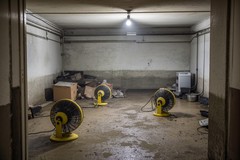
October 23, 2026

October 21, 2026

October 17, 2026
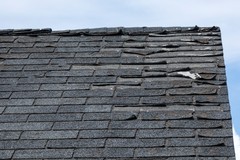
October 15, 2026
Join our community for maintenance and DIY tips and tricks, where we help homeowners and business owners like you learn preventative maintenance and be better prepared for disasters.
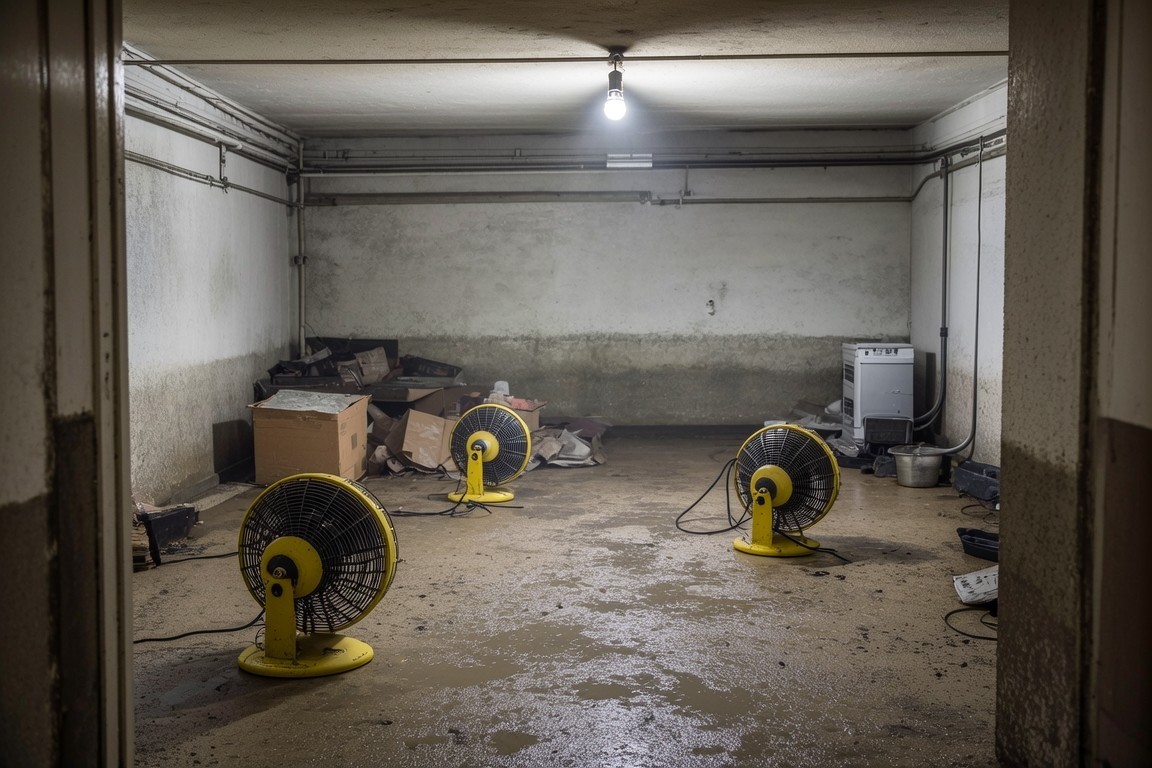
Learn how to prevent mold after water damage with fast action, proper drying, and expert tips from Accutech Restoration serving Sarasota, FL and nearb...
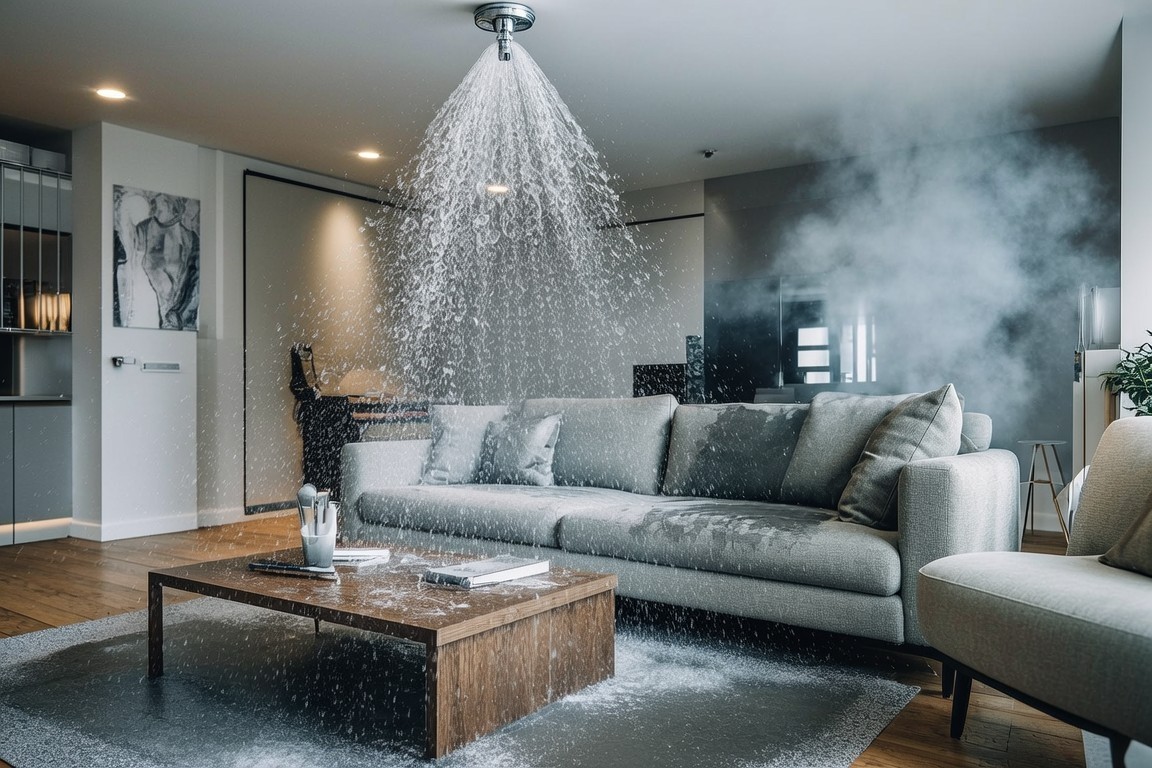
Learn the cleanup steps for fire sprinkler water damage, how to limit losses, and when to call Accutech's restoration experts in Sarasota, FL.