Does Home Insurance Cover Roof Damage from Wind
October 15, 2026

24/7 Emergency Service(941) 260-2721
At Your Property Quickly1-Hour Response Time
A single activated sprinkler head can release dozens of gallons of water every minute, which means a room can be soaked long before anyone realizes the fire itself was small or already out. That is the strange reality of fire sprinkler systems: they save lives and property, yet the water they discharge can create a mess that rivals the flames. If your home or business has experienced fire sprinkler water damage, knowing what to do in the first hours makes an enormous difference. Our team provides emergency damage restoration services in Sarasota, FL and has seen firsthand how quickly a quick, organized response can turn a disaster into a manageable repair.
Sprinkler discharge is different from a burst pipe or storm flooding because it often comes alongside soot, smoke residue, and the aftermath of a fire event. That combination can complicate cleanup and increase the risk of lasting damage if it is not addressed properly. Below, we walk through why this water spreads so fast, the cleanup steps that matter most, and how to protect your property from secondary problems like mold and warped flooring.
Fire sprinklers are designed to flow until someone shuts off the main water supply, not until the fire stops. That design is intentional, because it keeps flames from reigniting, but it also means water continues pouring out while you are focused on safety and evacuation. In that window, water travels along floors, seeps into wall cavities, soaks insulation, and drips through ceilings into lower levels.
Compounding the problem, sprinkler water is frequently discolored or carries sediment from the pipes, especially if the system has sat unused for a long time. When this water mixes with soot and smoke particles, it can stain surfaces and leave behind odors that linger. Understanding this is the first step in treating fire sprinkler water damage seriously rather than assuming a few towels and fans will handle it.
Once the fire is confirmed out and the building is safe to re-enter, your priority is stopping the water and limiting its spread. Acting quickly protects both your belongings and the structure itself. Here is a concise sequence that helps in those first critical minutes:
Even if the visible water seems minor, moisture hides inside walls, under flooring, and above ceilings. Professional moisture detection tools reveal what the eye cannot, which is why bringing in experienced help early is so important when you are dealing with fire sprinkler water damage.
Flooring is often the first casualty of a sprinkler discharge. Hardwood absorbs water quickly, cupping and buckling as the planks swell. Tile may survive on the surface while the subfloor and grout trap moisture underneath, and carpet can hold water like a sponge against the padding and subfloor. Each material requires a slightly different drying approach, and guessing wrong can lead to replacement instead of repair.
Walls present their own challenge. Drywall wicks moisture upward from the floor and can stay damp long after the surface feels dry to the touch. When saturated, it loses structural integrity and becomes a breeding ground for mold. Our specialists handle water damaged drywall repair in Sarasota regularly, and the right assessment determines whether a wall can be dried in place or needs partial removal. Catching these issues early protects the bones of your home and keeps repair costs contained.
Mold can begin growing within 24 to 48 hours of water exposure, and the warm, humid conditions common across our region accelerate that timeline. This is one of the biggest reasons fire sprinkler water damage should never be left to air-dry on its own. What looks dry on the surface may still harbor enough moisture in hidden cavities to feed mold growth for weeks.
Professional restoration goes beyond removing visible water. It involves measuring moisture levels in materials, setting up commercial-grade dehumidifiers and air movers, and monitoring progress until readings confirm the space is truly dry. Addressing soot and smoke residue is part of the same process, since those contaminants can cause corrosion and persistent odors if they are left behind. A thorough approach today prevents a more expensive problem months down the road.
Before you dispose of anything or begin major cleanup, document everything. Take clear photos and videos of the affected rooms, the water lines on walls, damaged belongings, and the sprinkler head that activated. This record supports your insurance claim and helps establish the extent of the loss.
Keep a written list of damaged items along with any receipts you can locate. A reputable restoration company can work directly with your insurer, providing detailed assessments and documentation that make the claims process smoother. Many property owners are surprised by how much easier this step becomes when professionals handle the technical reporting on their behalf, letting you focus on getting your home or business back to normal.
It is tempting to tackle sprinkler cleanup yourself, especially when the water looks clean and the area seems small. The trouble is that hidden moisture, contaminated materials, and the fire residue that often accompanies a sprinkler event require equipment and expertise most property owners do not have on hand. Incomplete drying is one of the most common reasons minor water events turn into major repairs.
At Accutech Restoration and Remodeling, we respond to water emergencies across Sarasota and the surrounding areas with the tools and training to handle every stage of recovery. From extraction and structural drying to repairs that restore your space, our team manages the full process. If you are facing water damage to wood floors in Fruitville, FL or any other sprinkler-related issue, we assess the situation honestly and treat your property as if it were our own.
Fire sprinkler water damage is manageable when you act fast, stop the water, protect your belongings, and bring in professionals who can dry the space completely and prevent mold. The key takeaways are simple: shut off the supply quickly, document everything, and do not rely on surface drying alone. If a sprinkler has flooded your property in Sarasota, Fruitville, and nearby communities, reach out for a prompt assessment so you can start recovery with confidence and get your life back to normal.
Most home insurance policies cover sudden and accidental water damage from burst pipes. Check your policy details for specific coverage.
Yes, a broken water heater can lead to a high electric bill. If it's not heating water efficiently, a broken water heater may consume more energy and increase your utility bill.
Yes, if you have a broken water heater, it can potentially lead to carbon monoxide leaks. If you suspect a carbon monoxide leak, call us for an emergency response.
While minor leaks can be fixed with DIY methods, it's advisable to consult a professional restoration company, like Accutech Restoration & Remodeling, for significant damage to ensure proper repair and prevent future issues.
Yes, mold can grow under tiles if there is constant moisture or water damage.
Yes, water can seep through grout lines if they are cracked or improperly sealed. You may contact us for help with water leaks and bathroom floor water damage.
Yes, we can remove mold from carpets affected by water damage. We use specialized cleaning techniques to prevent health risks.
Homeowners' insurance typically covers water damage caused by a water heater leak or broken water heater, but it may not cover the cost of repairing or replacing the heater itself. You may contact us for help navigating your insurance claim.
We recommend clearing the area around the damaged drywall to give our technicians easy access.
Preventing flood damage involves proactive measures such as maintaining gutters, ensuring proper drainage around your property, and considering flood-resistant building materials. Accutech Restoration & Remodeling offers tips and resources to help you safeguard your home against future flooding incidents.
To prevent floor warping from water damage, quickly clean up any spills or leaks to avoid prolonged exposure to moisture. You can use mats or rugs in high-moisture areas to keep them dry.
Explore our fire damage prevention tips and proactive measures to safeguard your home or business.
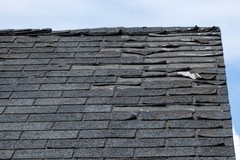
October 15, 2026
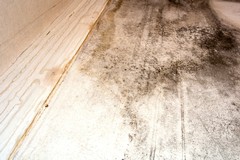
October 9, 2026

October 7, 2026
October 3, 2026
Join our community for maintenance and DIY tips and tricks, where we help homeowners and business owners like you learn preventative maintenance and be better prepared for disasters.

Practical fire damage insurance claim tips for Sarasota homeowners. Learn how to document losses, work with adjusters, and recover faster after a fire...
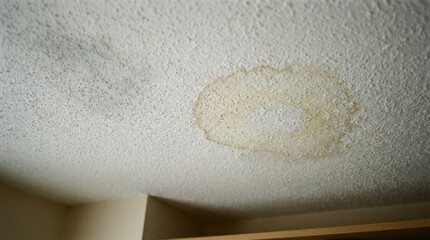
Spotted a stain on your textured ceiling? Learn what a popcorn ceiling with water damage means, the risks involved, and how to handle repairs the righ...