Does Home Insurance Cover Roof Damage from Wind
October 15, 2026

24/7 Emergency Service(941) 260-2721
At Your Property Quickly1-Hour Response Time
When strong gusts tear across the Gulf Coast, one of the most common questions homeowners ask afterward is whether their policy will help pay for the aftermath. If a storm has left shingles scattered across your yard or a torn section of decking exposed to the sky, you are probably wondering: does home insurance cover roof damage from wind? The short answer is that most standard policies do, but the details matter a great deal, and a slow or incomplete response can cost you money. If you need immediate help securing your property, our team offers emergency damage restoration services in Sarasota and its surrounding regions to prevent further loss while you sort out the paperwork.
Wind is one of the most frequent culprits behind roof claims in Florida, and understanding how your coverage works before the next storm arrives can save you stress, time, and out-of-pocket expense. Below, we break down what is typically covered, what is often excluded, and how to protect your claim from the moment the wind dies down.
Most homeowners insurance policies in Florida are written to cover sudden and accidental damage caused by wind, which falls under what insurers call a covered peril. That means when a windstorm lifts shingles, cracks tiles, or blows debris into your roof, the cost of repair is generally eligible for reimbursement after your deductible. So when people ask does home insurance cover roof damage from wind, the answer for a well-maintained roof that was damaged in a specific storm event is usually yes.
Coverage typically extends beyond the roof itself. If wind creates an opening that lets rain pour inside, the resulting interior damage to ceilings, drywall, insulation, and flooring is often covered as well. This is important because the secondary water intrusion that follows a roof breach can be more expensive to repair than the roof. Documenting both the exterior and interior damage is essential to a complete claim.
Even when the answer to does home insurance cover roof damage from wind is yes, there are conditions that can reduce or deny a payout. Insurers look closely at the age and condition of your roof. If an adjuster determines that the damage resulted from wear and tear, neglected maintenance, or an aging roof rather than a specific storm, the claim may be reduced or rejected. Some older roofs are covered only for their depreciated value rather than full replacement cost, which can leave a significant gap.
Florida policies also frequently carry a separate hurricane or windstorm deductible, which is calculated as a percentage of your home's insured value rather than a flat dollar amount. That deductible can be substantially higher than your standard one, so it pays to read your declarations page before a storm hits. Flooding from rising groundwater is a different matter entirely and is not covered under a standard homeowners policy, requiring separate flood insurance instead.
Insurance policies include a duty to mitigate, which means you are responsible for taking reasonable steps to prevent additional damage after a storm. If you leave a damaged roof open to the elements and more water pours in during the next rainfall, your insurer may decline to pay for damage that could have been avoided. Tarping exposed areas and calling a professional restoration company quickly shows that you acted responsibly.
This is where experienced help becomes valuable. A qualified contractor can perform an immediate inspection, apply temporary protection, and document the extent of the damage with photos and detailed notes. Our crews handle damage restoration services across the region and can begin stabilizing your home the same day. Because wind damage so often leads to water intrusion, addressing moisture promptly also helps prevent mold and structural problems down the road.
Filing a claim goes more smoothly when you approach it methodically. Before anyone sets foot on the roof, gather as much evidence as you can from a safe vantage point and keep records of every expense and conversation. A clear, well-documented claim reduces back-and-forth with your insurer and speeds up your payout.
Keeping your own independent documentation is wise. Insurance adjusters work for the insurance company, and having thorough records of your own gives you a stronger footing if there is a disagreement about the scope of the work. A reputable restoration contractor can meet with the adjuster and help ensure nothing is overlooked.
One reason wind claims become complicated is the water that comes with them. A single missing shingle might seem minor, but it can allow rain to seep into the attic, soak insulation, and drip down through ceilings over the course of a storm. That moisture spreads quickly and quietly, often causing damage that is not fully visible until days later. When evaluating whether does home insurance cover roof damage from wind applies to your situation, remember that the covered water intrusion may ultimately be the larger part of the claim.
Addressing that moisture quickly is critical. Our specialists provide water damage restoration in Sarasota to dry out affected areas, prevent mold growth, and restore your home's interior after a wind event. Because storms along the Gulf Coast can arrive with little warning, having a trusted team on call makes the recovery far less overwhelming.
Storms do not respect property lines, and neither do we. We serve homeowners throughout Sarasota and the surrounding areas, responding quickly to secure damaged roofs and begin repairs before small problems become major ones. Our familiarity with Florida weather patterns and insurance requirements means we can guide you through the process rather than leaving you to navigate it alone.
If a recent storm has left your home exposed, do not wait for the next rainfall to find out how far the damage spreads. Whether you need an inspection, emergency tarping, or full hurricane and flood damage cleanup, our experienced crews are ready to respond. We also provide storm damage restoration in Bradenton, FL and nearby communities, so help is never far away.
Returning to the original question, does home insurance cover roof damage from wind, the answer for most Florida homeowners is yes, provided your roof was in good condition and you act quickly to document and mitigate the loss. Understanding your deductible, knowing your exclusions, and partnering with a restoration professional who can stabilize your home and support your claim are the keys to a smoother recovery. When the wind settles and you are facing a damaged roof, reach out to our team for a free assessment and let us help you get your home back to normal.
Most home insurance policies cover sudden and accidental water damage from burst pipes. Check your policy details for specific coverage.
Yes, a broken water heater can lead to a high electric bill. If it's not heating water efficiently, a broken water heater may consume more energy and increase your utility bill.
Yes, if you have a broken water heater, it can potentially lead to carbon monoxide leaks. If you suspect a carbon monoxide leak, call us for an emergency response.
While minor leaks can be fixed with DIY methods, it's advisable to consult a professional restoration company, like Accutech Restoration & Remodeling, for significant damage to ensure proper repair and prevent future issues.
Yes, mold can grow under tiles if there is constant moisture or water damage.
Yes, water can seep through grout lines if they are cracked or improperly sealed. You may contact us for help with water leaks and bathroom floor water damage.
Yes, Accutech Restoration & Remodeling offers expert guidance through the entire insurance claim process. Our team will assist you through the process to ensure you receive fair compensation for the damage. When Accutech technicians arrive on-site at your home or business, we will conduct a thorough inspection to assess the extent of the damage.
We document the damage with a plethora of photographic and videographic evidence and create detailed reports outlining the damage, what needs to be done, and the estimated cost. Our team will handle all communication with your insurance company, reducing the headache and hassle of you being the middleman. We'll submit all documentation, invoices, and payments directly to your insurer, ensuring everything aligns with your policy coverage. Accutech is here to advocate on your behalf if any disputes or discrepancies arise during the claim process.
In some cases, your insurance policy may not cover the damage, and our team will help you understand what is and is not covered, along with providing you with the steps you should take next.
Yes, we can remove mold from carpets affected by water damage. We use specialized cleaning techniques to prevent health risks.
Yes, we work with all major insurance companies and assist you throughout the claims process.
Homeowners' insurance typically covers water damage caused by a water heater leak or broken water heater, but it may not cover the cost of repairing or replacing the heater itself. You may contact us for help navigating your insurance claim.
Homeowners can check an adjuster's credentials through the Florida Department of Financial Services database.
To improve the chances of a fair settlement, homeowners should document all damages, keep detailed records, and consider hiring a public adjuster or attorney.
October 15, 2026
October 9, 2026

October 7, 2026
October 3, 2026
Join our community for maintenance and DIY tips and tricks, where we help homeowners and business owners like you learn preventative maintenance and be better prepared for disasters.
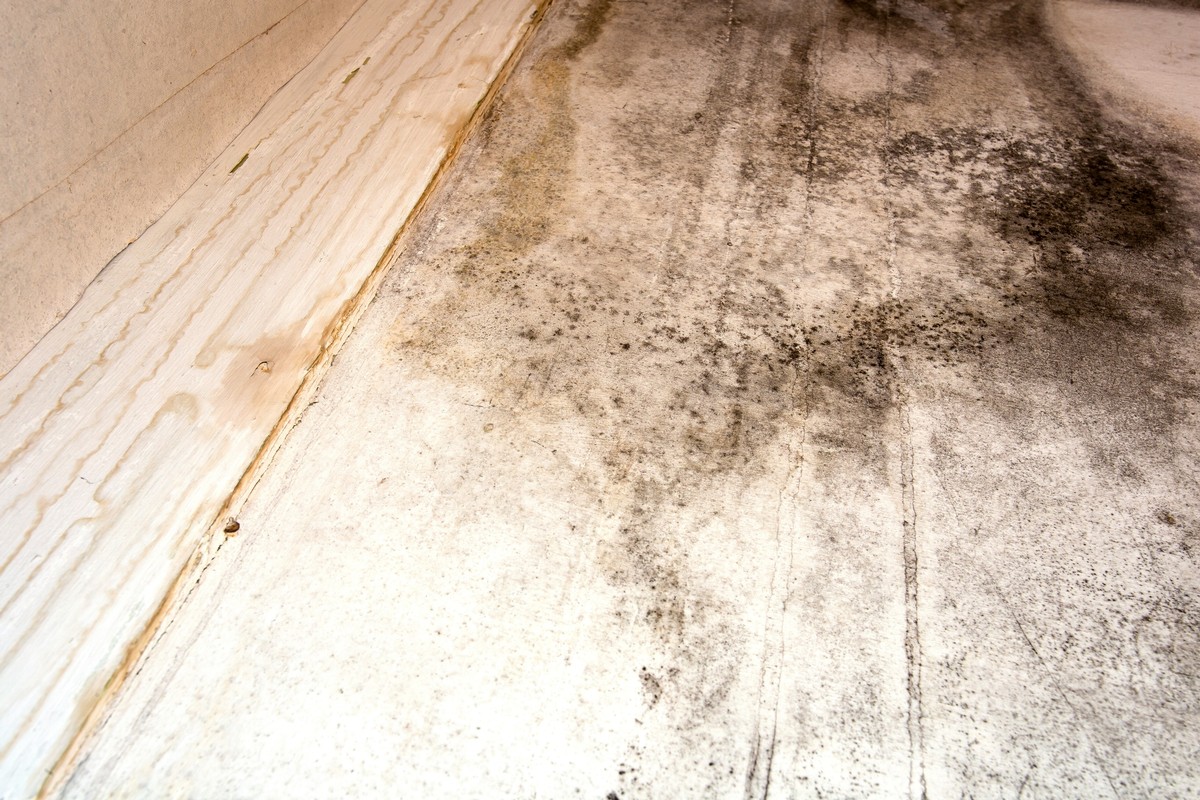
Spotted brown fuzzy mold on wood in your home? Learn what causes it, why it grows, and the safe steps to remove it. Serving Sarasota and nearby areas....

Practical fire damage insurance claim tips for Sarasota homeowners. Learn how to document losses, work with adjusters, and recover faster after a fire...