Does Home Insurance Cover Roof Damage from Wind
October 15, 2026

24/7 Emergency Service(941) 260-2721
At Your Property Quickly1-Hour Response Time
Mold can begin growing in as little as 24 to 48 hours after water intrudes into your home, and in a humid climate like ours, that clock ticks even faster. Whether the trouble started with a burst pipe, an overflowing appliance, or a storm pushing water under your door, what you do in those first couple of days makes all the difference. Knowing how to prevent mold after water damage is one of the most valuable skills a homeowner can have, because the cost and headache of remediation far outweigh the effort of acting quickly. If you ever feel overwhelmed, our team offers emergency damage restoration services in Sarasota, FL to get things under control fast.
Water damage does not have to lead to a mold problem, but it often does when moisture is left to linger in walls, flooring, and hidden cavities. The good news is that with a clear plan and a sense of urgency, you can dramatically reduce the risk. Below, we walk through the steps that matter most and when it is time to bring in professional help.
Time is the single biggest factor when it comes to stopping mold before it starts. Mold spores are naturally present almost everywhere, waiting for moisture to activate them. Once a surface stays damp, colonies can form and spread quickly, especially on porous materials like drywall, carpet padding, and wood framing.
The moment you discover water, stop the source if you safely can. That might mean shutting off a supply valve, turning off the water main, or placing a bucket under a persistent leak. Then begin removing standing water right away using a wet vacuum, mops, and towels. The faster you extract the water, the less time it has to soak into building materials and feed mold growth. Do not wait for things to "dry on their own," because in a climate as humid as ours, passive drying rarely happens fast enough to matter.
Surface dryness can be deceiving. Materials may feel dry to the touch while remaining saturated underneath, and that trapped moisture is exactly what mold needs to thrive. Proper drying means addressing both the visible area and the hidden spaces behind and beneath it.
Open windows and doors when outdoor humidity allows, and run fans to keep air moving across wet surfaces. A dehumidifier is one of the best tools you can use, pulling moisture out of the air and speeding up the drying process throughout the room. If carpet got soaked, pull it back to dry the padding and subfloor underneath, or remove the padding entirely if it was heavily saturated. For hard surfaces, pay special attention to seams, grout lines, and baseboards where water loves to hide. If you are dealing with saturated flooring, our guides on water damage repair for wood floors in Sarasota and throughout the region can help you understand what is salvageable and what may need replacement.
Some of the most stubborn mold problems develop in places you cannot see. Water wicks upward into drywall, seeps into wall cavities, and pools beneath flooring where no amount of surface fanning will reach it. This is why thorough inspection is a critical part of learning how to prevent mold after water damage.
If water has touched your drywall, check how far up the moisture traveled by feeling for softness or looking for discoloration. In many cases, the lower portion of affected drywall needs to be removed to allow the wall cavity to dry and to prevent mold from taking hold inside. Our overview of water damaged drywall repair in Sarasota explains how professionals handle this safely. Insulation that gets wet often cannot be dried effectively and should be replaced, since it holds moisture and loses its effectiveness. The goal is to leave no damp pocket behind, because even a small hidden one can seed a widespread problem.
Once the bulk of the water is gone, your focus shifts to keeping humidity low and cleaning anything that got wet. Indoor humidity should ideally stay below 50 percent to discourage mold. Keep dehumidifiers running, use your air conditioning to help pull moisture from the air, and avoid activities that add humidity, like running hot showers, until the space has fully stabilized.
Clean and disinfect hard, non-porous surfaces that came into contact with water. Warm water and detergent remove much of the grime, and an appropriate disinfectant helps address any lingering contamination. Porous items that absorbed a lot of water, such as soaked cushions, mattresses, or cardboard, are often better discarded than salvaged. A few habits make a lasting difference in keeping moisture under control:
Minor spills and small leaks are often manageable on your own, but larger events call for professional equipment and expertise. If water has spread across multiple rooms, soaked into walls, come from a contaminated source like a sewage backup, or sat for more than a day or two, the risk of hidden mold rises sharply. Professionals use industrial air movers, commercial dehumidifiers, and moisture meters to detect and eliminate dampness you simply cannot reach with household tools.
At Accutech, our restoration team is trained to find moisture where it hides and to dry structures completely, which is the surest path to preventing mold. Our water restoration service is built around rapid response, because every hour counts. If mold has already begun to appear, we also provide thorough mold removal and remediation in Lakewood Ranch, FL and throughout the region, so you are never left to tackle a growing problem alone.
Preventing mold is not a single action but a sequence: stop the water, remove it fast, dry everything completely including the hidden spaces, control humidity, and clean affected areas. When you move quickly and leave no moisture behind, you take away the conditions mold needs to grow. That is the heart of how to prevent mold after water damage, and it applies whether you are dealing with a small bathroom leak or a storm that pushed water through your whole first floor.
Homeowners across Sarasota and the surrounding communities face water intrusion more often than they would like, thanks to our storms, humidity, and aging plumbing. Building good habits, staying alert to leaks, and responding immediately when water appears will spare you from most mold troubles. And when a situation is bigger than a few towels can handle, do not hesitate to reach out.
If you are facing water damage right now or want peace of mind after a close call, contact our team for a fast assessment. Acting early is always easier and less costly than waiting, and we are ready to help you dry out, clean up, and keep mold from ever getting a foothold.
Most home insurance policies cover sudden and accidental water damage from burst pipes. Check your policy details for specific coverage.
Yes, a broken water heater can lead to a high electric bill. If it's not heating water efficiently, a broken water heater may consume more energy and increase your utility bill.
Yes, if you have a broken water heater, it can potentially lead to carbon monoxide leaks. If you suspect a carbon monoxide leak, call us for an emergency response.
While minor leaks can be fixed with DIY methods, it's advisable to consult a professional restoration company, like Accutech Restoration & Remodeling, for significant damage to ensure proper repair and prevent future issues.
Yes, mold can grow under tiles if there is constant moisture or water damage.
Yes, water can seep through grout lines if they are cracked or improperly sealed. You may contact us for help with water leaks and bathroom floor water damage.
Yes, we can remove mold from carpets affected by water damage. We use specialized cleaning techniques to prevent health risks.
Homeowners' insurance typically covers water damage caused by a water heater leak or broken water heater, but it may not cover the cost of repairing or replacing the heater itself. You may contact us for help navigating your insurance claim.
We recommend clearing the area around the damaged drywall to give our technicians easy access.
Preventing flood damage involves proactive measures such as maintaining gutters, ensuring proper drainage around your property, and considering flood-resistant building materials. Accutech Restoration & Remodeling offers tips and resources to help you safeguard your home against future flooding incidents.
To prevent floor warping from water damage, quickly clean up any spills or leaks to avoid prolonged exposure to moisture. You can use mats or rugs in high-moisture areas to keep them dry.
Remove any affected tiles and clean the area thoroughly with a mold-specific cleaner.
October 15, 2026
October 9, 2026

October 7, 2026
October 3, 2026
Join our community for maintenance and DIY tips and tricks, where we help homeowners and business owners like you learn preventative maintenance and be better prepared for disasters.
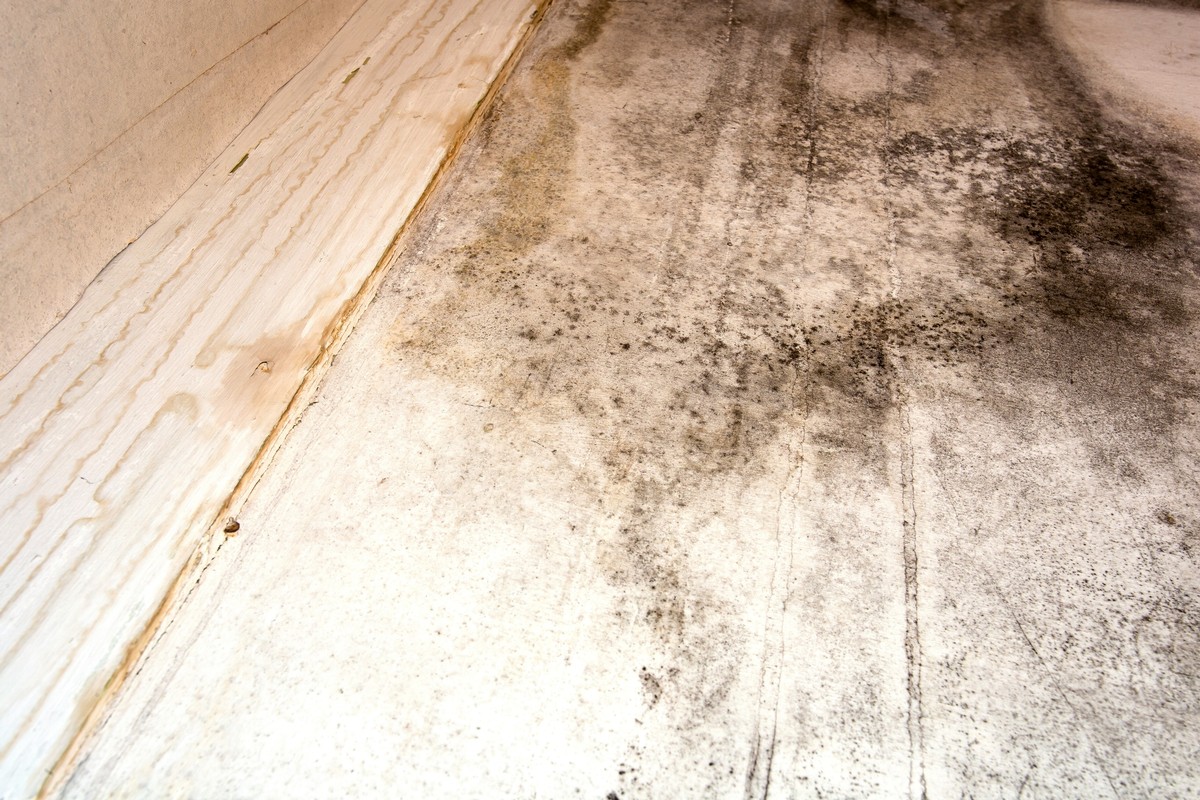
Spotted brown fuzzy mold on wood in your home? Learn what causes it, why it grows, and the safe steps to remove it. Serving Sarasota and nearby areas....
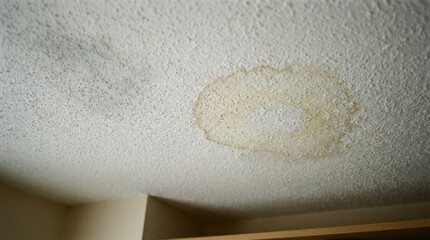
Spotted a stain on your textured ceiling? Learn what a popcorn ceiling with water damage means, the risks involved, and how to handle repairs the righ...