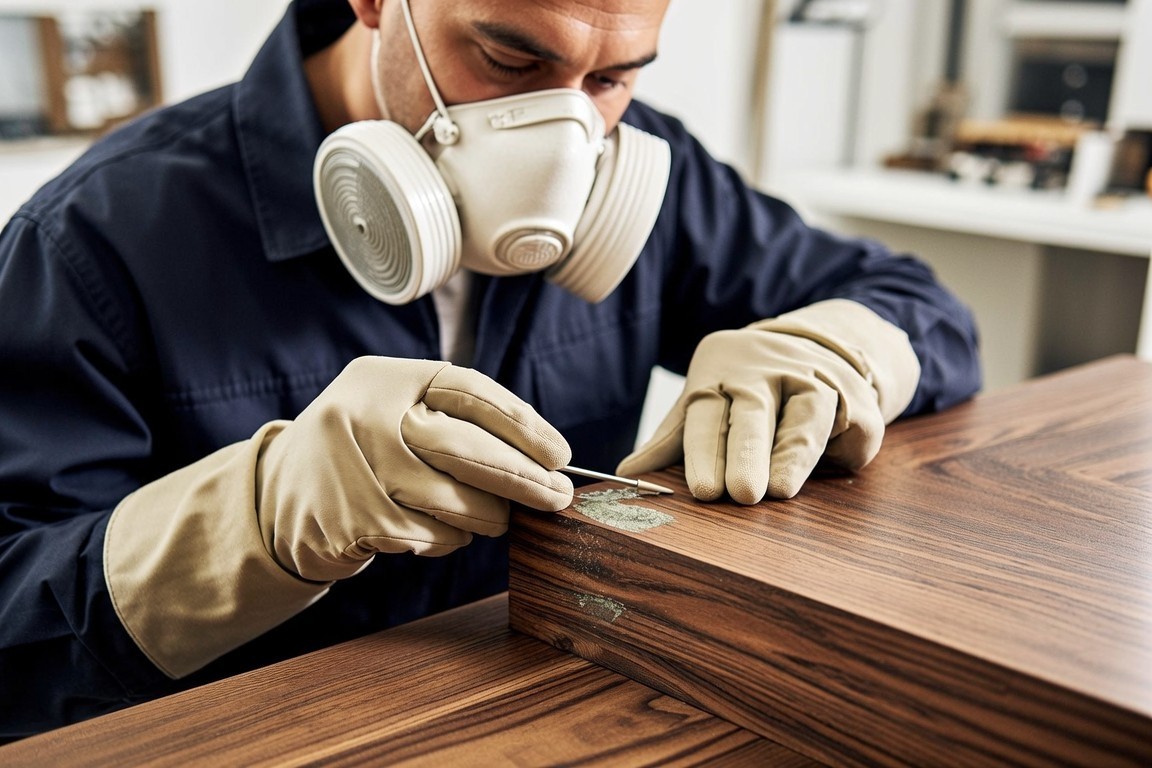
Brown Fuzzy Mold on Wood: What to Do Next
October 9, 2026

24/7 Emergency Service(941) 260-2721
At Your Property Quickly1-Hour Response Time
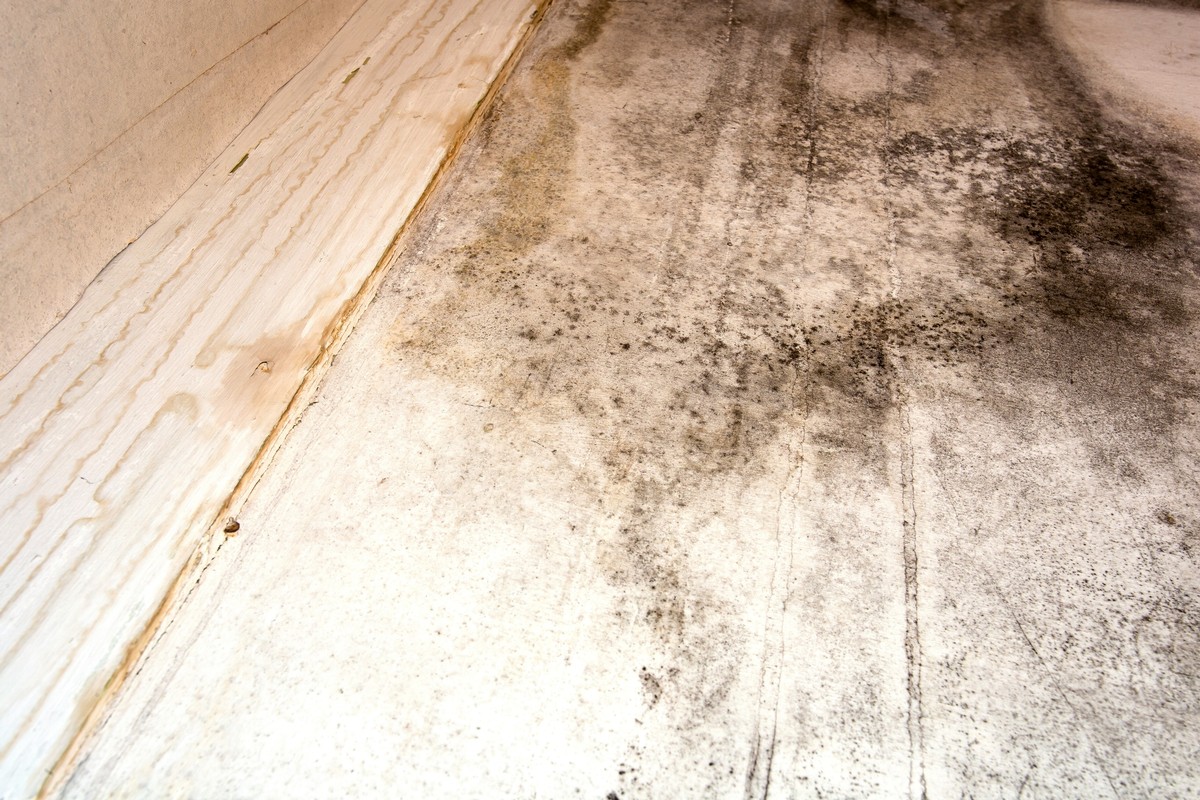
Discovering a patch of brown fuzzy mold on wood in your home can be unsettling, especially when you are not sure how long it has been there or how far it has spread. Wood is one of mold's favorite surfaces because it holds moisture and offers organic material for spores to feed on. In a humid climate like ours, that combination shows up more often than most homeowners expect. If the growth is widespread or tied to a leak or flood, our team offers emergency damage restoration services in Sarasota, FL to help you handle it quickly and safely.
The good news is that catching mold early gives you a real advantage. Small colonies are easier to address, and understanding why the mold appeared in the first place is the key to keeping it from coming back. Let's walk through what that brown, fuzzy growth actually is, why it settled on your wood, and the practical steps you should take next.
Mold comes in many colors, and brown is one of the more common shades you will find on structural lumber, furniture, subfloors, and window frames. The fuzzy texture usually means the colony is mature enough to be producing visible spores, which are the reproductive cells mold uses to spread. Brown fuzzy mold on wood is not a single species. It could be one of several types, and the color alone does not tell you whether it is dangerous.
What matters more than the exact species is the fact that active mold is present and feeding on a moisture source. Any visible growth signals that conditions are right for it to keep expanding. Because certain molds can affect indoor air quality and trigger respiratory irritation, it is wise to treat all growth as something to address rather than ignore, no matter its color.
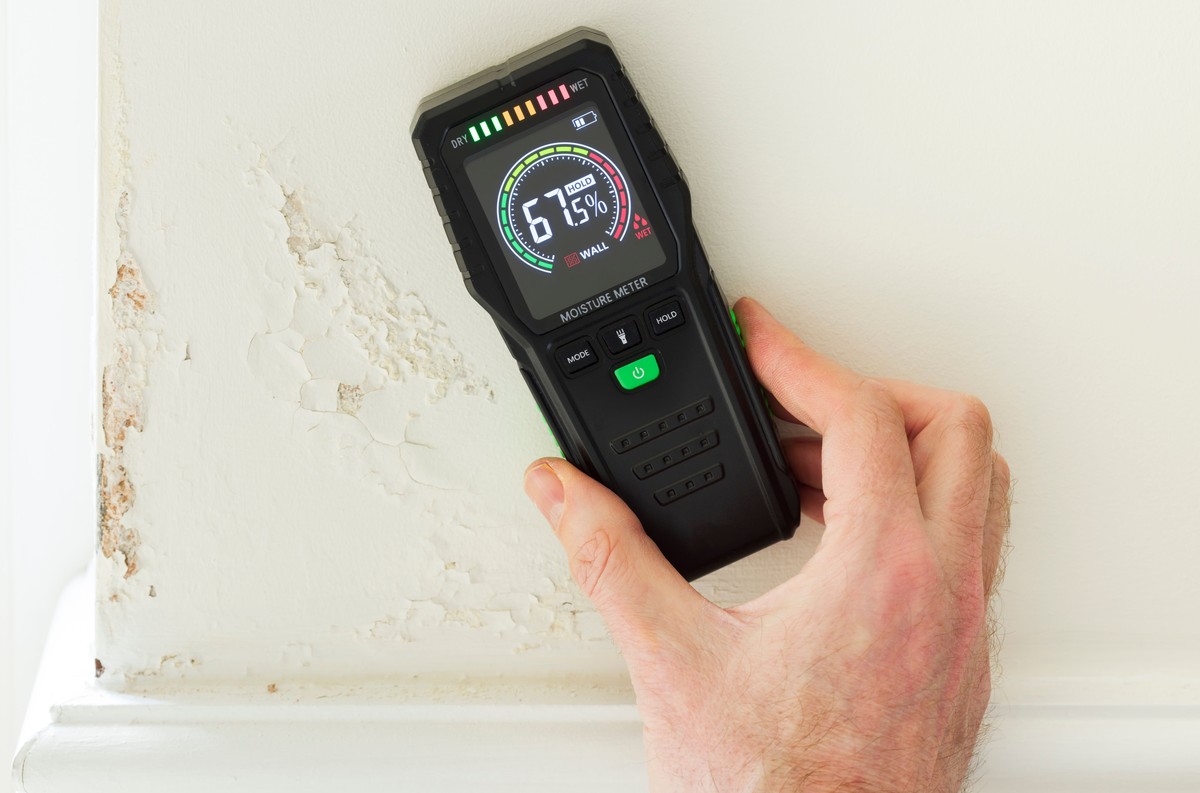
Mold needs three things to thrive: moisture, a food source, and a comfortable temperature. Wood conveniently provides two of them, so the deciding factor is almost always water. When wood stays damp for even a day or two, spores that are naturally floating in the air can settle and take hold.
In homes around Sarasota and the surrounding areas, the usual culprits include plumbing leaks under sinks, condensation around windows, roof leaks that soak attic framing, high indoor humidity, and lingering dampness after a storm. Poor ventilation makes everything worse by trapping humid air against wood surfaces. This is why bathrooms, basements, crawlspaces, and areas near appliances tend to be hot spots. If you have ever dealt with a slow leak, you already know how quickly hidden moisture can lead to growth you never see until it becomes fuzzy and obvious.
Once you spot brown fuzzy mold on wood, your response in the first few days makes a big difference. Acting deliberately, rather than scrubbing it away in a panic, helps you avoid spreading spores and protects your health in the process.
Resist the urge to paint or seal over the mold. Covering it may hide the appearance temporarily, but the colony continues to grow underneath and can compromise the integrity of the wood over time.
A very small patch of surface mold on a non-structural item, such as a piece of furniture, can sometimes be handled by a careful homeowner using appropriate cleaning products and protective gear. If the wood is porous and the mold has penetrated below the surface, however, wiping the top layer rarely solves the problem. The roots, so to speak, remain embedded and simply regrow.
Structural wood is where do-it-yourself efforts often fall short. Framing, subfloors, and load-bearing elements need to be assessed for how deeply the mold has traveled and whether the wood has weakened. Attempting a large cleanup without containment can also scatter spores throughout your home, turning one problem area into several. When mold appears alongside water damage, the underlying issue frequently needs professional attention too. Our guidance on water damage repair for wood floors in Sarasota explains how deeply moisture can travel through wood before you ever notice discoloration on the surface.
Certain situations clearly call for expert help rather than a weekend project. If the affected area is larger than a few square feet, if the mold keeps returning after cleaning, if it is tied to a plumbing or roof leak, or if anyone in the household has allergies or respiratory concerns, professional remediation is the safer path. The same is true when you can smell a persistent musty odor but cannot locate the source, which usually means mold is growing somewhere hidden.
A trained restoration team does more than clean visible growth. We identify and correct the moisture source, contain the work area to prevent cross contamination, remove affected materials properly, and verify that the space is dry and safe afterward. If you are outside our immediate area, we also provide mold removal and remediation in Venice and other nearby communities.
Prevention is far easier than repeated cleanups. The single most effective habit is controlling moisture. Keep indoor humidity in check, run exhaust fans in bathrooms and kitchens, and address leaks the moment you notice them. Inspect areas prone to dampness, such as under sinks and around water heaters, on a regular basis so small drips do not turn into big problems.
Good airflow matters just as much. Rooms that stay closed up and humid give spores the stable, damp environment they need. Opening things up, improving ventilation, and drying wet surfaces promptly removes the conditions mold depends on. When storms roll through, dry out affected spaces quickly, because standing water and saturated wood are an open invitation for growth within a day or two.
Finding brown fuzzy mold on wood does not have to mean a major crisis, but it does deserve a prompt and thoughtful response. Stop the moisture, avoid disturbing the growth, protect yourself, and know when the situation has outgrown a simple cleanup. Addressing both the mold and the water problem behind it is what truly keeps it from returning. If you are unsure how far the growth has spread or want peace of mind that it is handled correctly, reach out to our team for an assessment. We are here to help homeowners throughout Sarasota, Venice, and the surrounding region protect their homes and their health.
Yes, mold can grow under tiles if there is constant moisture or water damage.
Yes, we can remove mold from carpets affected by water damage. We use specialized cleaning techniques to prevent health risks.
Remove any affected tiles and clean the area thoroughly with a mold-specific cleaner.
Yes, mold can pose health risks such as respiratory issues and aggravation of allergies.
Mold exposure can lead to various health issues, especially for individuals with allergies or respiratory conditions. Common symptoms include coughing, sneezing, throat irritation, and, in some cases, exacerbation of asthma. Prolonged exposure to mold can potentially lead to more severe health problems, making prompt mold remediation essential.
Signs include musty odors, visible mold growth on surfaces, and allergy-like symptoms among occupants.
Black mold is a type of fungus that looks dark green or black. There are many kinds of black mold, but when most people refer to it, they're referring to Stachybotrys chartarum ( S. chartarum ). It grows and spreads on materials that contain a lot of cellulose, including paper products, wood products and drywall. Cellulose is a fiber in fruits, vegetables and other plants. It's part of the cell wall.
Black mold needs warm temperatures and moisture to grow and spread. It commonly appears in damp or water-damaged areas of your home, such as basements, showers and windows.
For most people, black mold won't make you very sick or kill you.
October 9, 2026

October 7, 2026
October 3, 2026

October 1, 2026
Join our community for maintenance and DIY tips and tricks, where we help homeowners and business owners like you learn preventative maintenance and be better prepared for disasters.