How to Prevent Mold After Water Damage
October 23, 2026

24/7 Emergency Service(941) 260-2721
At Your Property Quickly1-Hour Response Time
Few household disasters feel as violating as sewage pushing up through a drain, toilet, or basement floor. The mess is hazardous, the smell lingers, and the cleanup is far more involved than a simple mop and bucket. When the shock wears off, most homeowners land on the same urgent question: does home insurance cover sewage backup, or are you about to pay for all of this out of pocket? The answer is more nuanced than a yes or no, and understanding the fine print before disaster strikes can save you thousands. If you are already dealing with a backup, our team offers emergency damage restoration services in Sarasota to get your home safe and dry again.
Sewage backups are surprisingly common, and they do not care whether your home is new or decades old. Tree roots, municipal line failures, heavy rain, and clogged pipes can all send contaminated water where it does not belong. The challenge is that standard insurance policies were not built with these events in mind, which leaves many families caught off guard.
Here is the part that catches people by surprise. A typical homeowners insurance policy does not automatically include sewage backup coverage. Most standard policies cover sudden and accidental water damage, such as a burst supply line, but they draw a hard line when water enters your home from a sewer, drain, or sump pump failure. These events are frequently listed as exclusions, which means that without additional protection, the cost of cleanup and repairs falls on you.
So when someone asks does home insurance cover sewage backup under a base policy, the honest answer is usually no. The good news is that insurers recognize this gap and offer a solution in the form of an add-on, and understanding how it works puts you in a much stronger position.
To close the gap, most insurers sell a sewer and drain backup endorsement, sometimes called water backup coverage. This is a rider you add to your existing policy, often for a modest annual premium. Once in place, it helps pay for the damage caused when water or sewage backs up through drains or overflows from a sump pump failure.
Coverage limits on these endorsements vary widely, and this is where homeowners need to pay attention. Some policies cap the benefit at a few thousand dollars, which may not come close to covering a serious backup that soaks floors, drywall, cabinetry, and personal belongings. When you review your policy, ask your agent what the limit is, whether it applies to both the structure and your contents, and how the deductible is handled. Revisiting the question of does home insurance cover sewage backup each year during your renewal is a smart habit, especially as your home and its contents change over time.
Insurance claims for water intrusion live and die on the source of the water. An adjuster will want to know exactly where the water came from and why. A backup caused by a clog in your home's own pipes is treated differently than one caused by a municipal line failure, and both are handled differently than groundwater flooding from a storm.
That last distinction is critical in a coastal region. Flooding from rising water, storm surge, or heavy rain overwhelming the ground is generally not covered by homeowners insurance or by a backup endorsement at all. That type of loss requires separate flood insurance, which is a different policy entirely. If a hurricane or major storm drives water into your home, you may be looking at storm damage restoration in Longboat Key, FL and nearby communities, and the coverage questions shift accordingly. This is why documenting the source of the damage early is so important for any claim.
The overlap between sewage, storm water, and plumbing failures can get confusing fast. When a storm overwhelms a municipal sewer system and forces waste back into homes, the question of which policy responds becomes complicated. A restoration professional can help document the conditions accurately, which supports your case no matter how the claim is ultimately classified.
How you respond in the first hour affects both your safety and your claim. Sewage is biohazardous, carrying bacteria and pathogens that make a do-it-yourself cleanup risky. Protecting yourself and preserving evidence should come first, and a calm, methodical approach makes everything that follows easier.
Resist the urge to throw out damaged items before your insurer has a chance to review them, unless they pose an immediate health hazard. Thorough documentation is often the difference between a smooth claim and a frustrating one. Because sewage water is classified as grossly contaminated, proper cleanup involves more than drying surfaces. It requires removing porous materials that cannot be fully sanitized, treating affected structures, and verifying that the space is safe before rebuilding.
While you cannot control a city sewer failure, you can reduce your odds of a backup and strengthen your standing if you ever file a claim. Insurers look favorably on homeowners who take reasonable precautions. Installing a backwater valve, keeping drains clear of grease and debris, maintaining your sump pump, and having sewer lines inspected for root intrusion all help. Older homes with mature landscaping are especially prone to root damage, which can quietly block a line for months before it finally overflows.
Routine maintenance also matters inside the home. The same vigilance that prevents a sewage backup helps you catch other common sources of interior water damage early. If you have ever dealt with a broken water heater or a slow plumbing leak, you already know how quickly moisture can spread and how much hidden damage it can cause behind walls and under floors.
Coming back to the central question, does home insurance cover sewage backup, the practical takeaway is to never assume you are protected. Pull out your policy, confirm whether you carry a sewer and drain backup endorsement, check the limits, and understand how flood exclusions might apply to your situation. A short conversation with your agent today is far less stressful than discovering a coverage gap while you are standing in contaminated water.
When the worst does happen, acting quickly protects both your health and your home's value. Professional water damage restoration in Sarasota and beyond ensures the affected areas are fully extracted, sanitized, dried, and restored to a safe, livable condition rather than patched over. Proper remediation now helps you avoid lingering odors, mold, and structural problems later.
Accutech Restoration and Remodeling proudly serves Sarasota and the surrounding areas with experienced crews who understand both the cleanup and the claims process. If you are facing a backup or simply want to review your options before storm season, reach out for a consultation and let our team help you make a plan for whatever comes next.
Most home insurance policies cover sudden and accidental water damage from burst pipes. Check your policy details for specific coverage.
Yes, a broken water heater can lead to a high electric bill. If it's not heating water efficiently, a broken water heater may consume more energy and increase your utility bill.
Yes, if you have a broken water heater, it can potentially lead to carbon monoxide leaks. If you suspect a carbon monoxide leak, call us for an emergency response.
While minor leaks can be fixed with DIY methods, it's advisable to consult a professional restoration company, like Accutech Restoration & Remodeling, for significant damage to ensure proper repair and prevent future issues.
Yes, mold can grow under tiles if there is constant moisture or water damage.
Yes, water can seep through grout lines if they are cracked or improperly sealed. You may contact us for help with water leaks and bathroom floor water damage.
Yes, we can remove mold from carpets affected by water damage. We use specialized cleaning techniques to prevent health risks.
Homeowners' insurance typically covers water damage caused by a water heater leak or broken water heater, but it may not cover the cost of repairing or replacing the heater itself. You may contact us for help navigating your insurance claim.
We recommend clearing the area around the damaged drywall to give our technicians easy access.
Preventing flood damage involves proactive measures such as maintaining gutters, ensuring proper drainage around your property, and considering flood-resistant building materials. Accutech Restoration & Remodeling offers tips and resources to help you safeguard your home against future flooding incidents.
To prevent floor warping from water damage, quickly clean up any spills or leaks to avoid prolonged exposure to moisture. You can use mats or rugs in high-moisture areas to keep them dry.
Remove any affected tiles and clean the area thoroughly with a mold-specific cleaner.
October 23, 2026

October 21, 2026

October 17, 2026
October 15, 2026
Join our community for maintenance and DIY tips and tricks, where we help homeowners and business owners like you learn preventative maintenance and be better prepared for disasters.
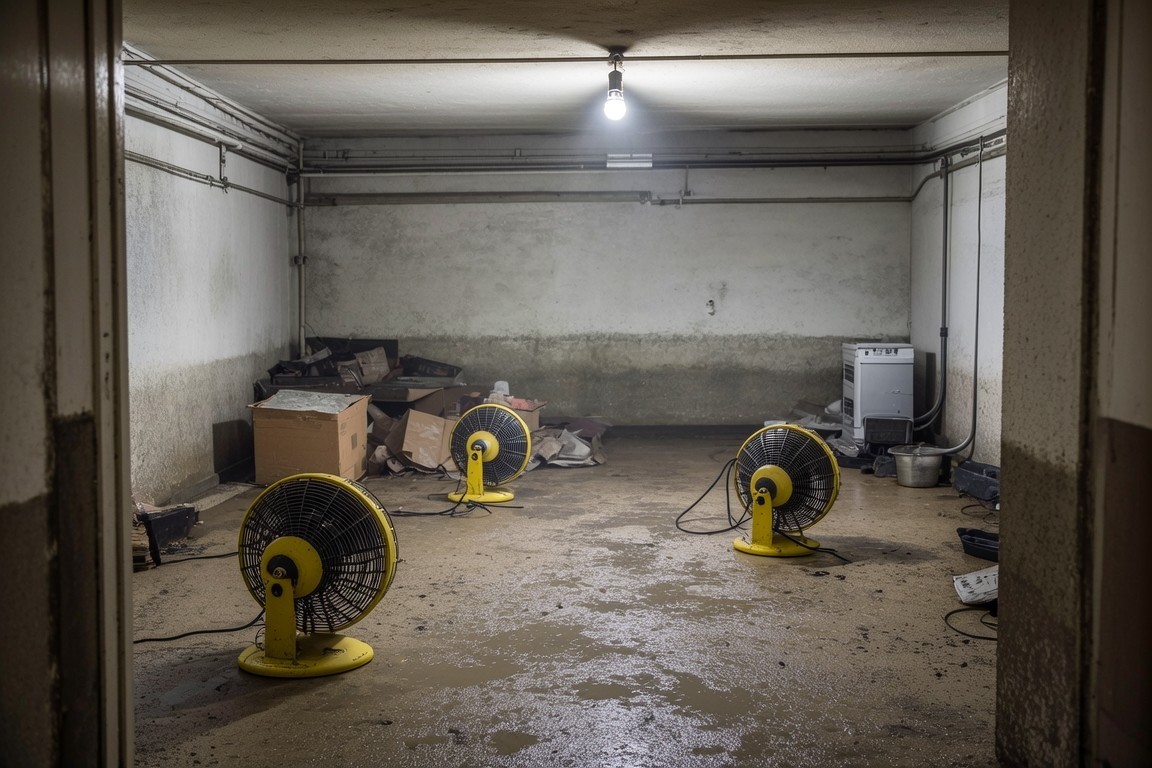
Learn how to prevent mold after water damage with fast action, proper drying, and expert tips from Accutech Restoration serving Sarasota, FL and nearb...
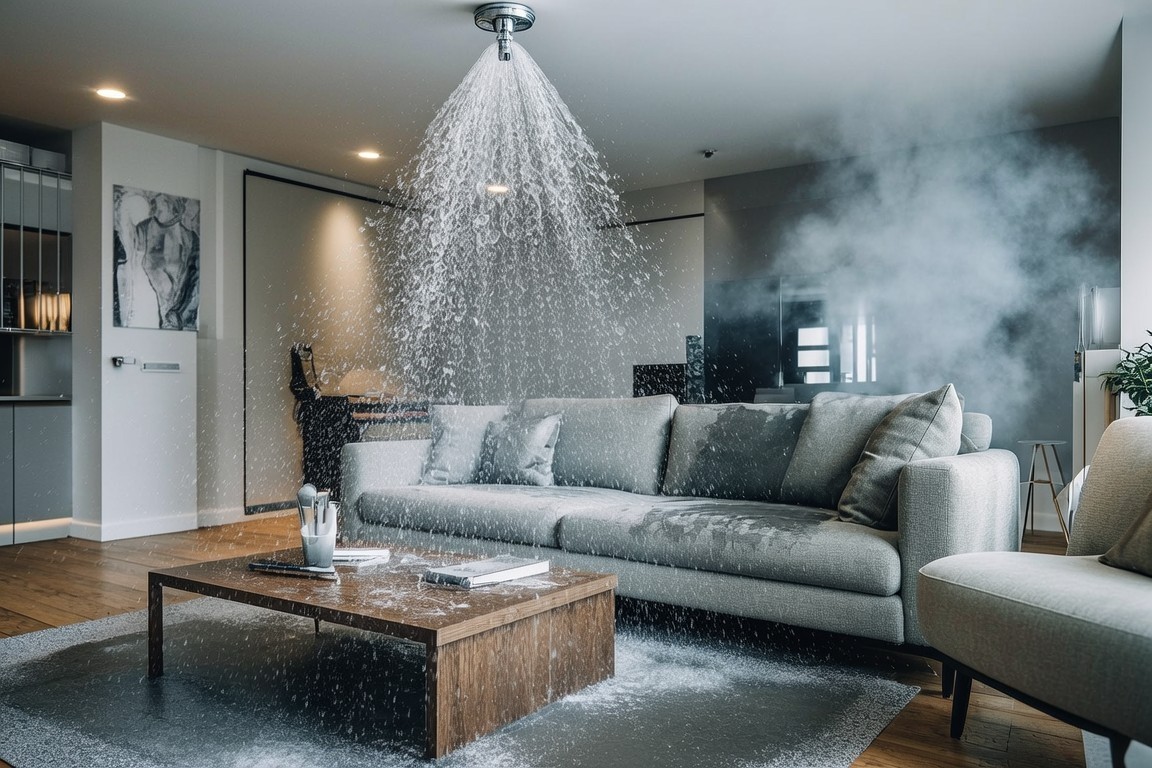
Learn the cleanup steps for fire sprinkler water damage, how to limit losses, and when to call Accutech's restoration experts in Sarasota, FL.