[Guide] What a Mold Assessment Report Includes and Why It Matters
September 9, 2026

24/7 Emergency Service(941) 260-2721
At Your Property Quickly1-Hour Response Time

A sudden and lingering sewage smell in the basement can be an unsettling experience for any homeowner. Whether it's a faint whiff or a stench that permeates every corner, this issue is not only unpleasant but also indicative of underlying problems that may require immediate attention. Addressing sewage smell in basement scenarios promptly is important, as ignoring these odors can lead to more extensive damage and costly repairs. Utilizing damage restoration services in Sarasota and beyond can be a proactive step towards mitigating this problem.
In this comprehensive article, we'll explore the causes behind that mysterious sewage smell in the basement and delve into effective solutions for addressing the issue. From exploring potential causes to discussing professional intervention options, like those offered by companies like Accutech Restoration and Remodeling, this guide will equip you with knowledge and insight to tackle the problem head-on.
A variety of factors can contribute to a sewage smell in the basement. Often, these odors are linked to plumbing issues, compromised sewer lines, or improper ventilation. Below are some common culprits:
Recognizing the early warning signs of potential sewage problems is critical for preventing more extensive damage. Symptoms such as recurring foul smells, slow drainage, or gurgling sounds from the pipes should spur further investigation. If unattended, these issues can potentially lead to serious health risks, including exposure to harmful bacteria and gases like methane.
While some causes of sewage smell in basements may require professional attention, certain issues can be resolved with simple DIY solutions:
Regularly Flush Drains: Pour a bucket of water into floor drains periodically to maintain the water seal and prevent sewer gas entry.
Check and Refill Dry Traps: If your basement features plumbing fixtures that see little use, occasional water flushing helps keep traps wet and functional.
Ensure Proper Vent Pipe Function: Inspect for blockages in vent pipes to ensure sewer gases are directed away from your home, not into it.
Sometimes, the root of the problem lies beyond simple DIY fixes, and professional intervention becomes necessary. Companies like Accutech Restoration and Remodeling offer a wide range of services designed to address these complex situations efficiently.
Sewer Line Inspection and Repair: Professionals have the tools and expertise to assess sewer line integrity and carry out necessary repairs to fix or replace damaged sections.
Comprehensive Plumbing Inspections: Scheduled inspections can catch potential issues in their infancy, preventing minor annoyances from turning into major headaches.
Natural Disaster Water Damage Restoration: If the smell results from flood damage or sewage backup due to natural disasters, professional water damage restoration in the Sarasota area is a crucial resource for cleanup and sanitation.
To maintain a smell-free basement, regular maintenance and preventive measures are essential:
While DIY methods can be effective for some issues, others necessitate professional expertise. Persistent, unexplained sewage smells often indicate a larger unseen issue. At this point, contacting a professional service is vital. In Sarasota, FL, Accutech Restoration and Remodeling specializes in resolving these tough problems, bringing peace of mind through their detailed assessments and solutions.
Whether it’s a sewage smell in the basement or related issues like water damage to tile floors in Sarasota Springs, knowing when to reach out to professionals can save time, money, and stress in the long run. Their expertise in dealing with everything from standard repairs to natural disaster water damage restoration ensures that every troublesome issue in your home is handled with care and competence.
Addressing sewage odors requires understanding, vigilance, and sometimes the intervention of skilled professionals. By following the steps outlined in this guide, homeowners can create a healthier and more pleasant living environment. If sewage smells persist, don't hesitate to seek help from Accutech Restoration and Remodeling, the trusted experts ready to restore order and comfort to your space.
Most home insurance policies cover sudden and accidental water damage from burst pipes. Check your policy details for specific coverage.
Yes, a broken water heater can lead to a high electric bill. If it's not heating water efficiently, a broken water heater may consume more energy and increase your utility bill.
Yes, if you have a broken water heater, it can potentially lead to carbon monoxide leaks. If you suspect a carbon monoxide leak, call us for an emergency response.
While minor leaks can be fixed with DIY methods, it's advisable to consult a professional restoration company, like Accutech Restoration & Remodeling, for significant damage to ensure proper repair and prevent future issues.
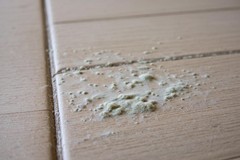
Yes, mold can grow under tiles if there is constant moisture or water damage.
Yes, water can seep through grout lines if they are cracked or improperly sealed. You may contact us for help with water leaks and bathroom floor water damage.
Yes, we can remove mold from carpets affected by water damage. We use specialized cleaning techniques to prevent health risks.
Homeowners' insurance typically covers water damage caused by a water heater leak or broken water heater, but it may not cover the cost of repairing or replacing the heater itself. You may contact us for help navigating your insurance claim.
We recommend clearing the area around the damaged drywall to give our technicians easy access.
Preventing flood damage involves proactive measures such as maintaining gutters, ensuring proper drainage around your property, and considering flood-resistant building materials. Accutech Restoration & Remodeling offers tips and resources to help you safeguard your home against future flooding incidents.
To prevent floor warping from water damage, quickly clean up any spills or leaks to avoid prolonged exposure to moisture. You can use mats or rugs in high-moisture areas to keep them dry.
Remove any affected tiles and clean the area thoroughly with a mold-specific cleaner.
![[Guide] What a Mold Assessment Report Includes and Why It Matters](https://www.unitedstatesbd.com/images/unitedstatesbdcom/bizcategories/13497/News/613016/guide-what-a-mold-assessment-report-includes-and-why-it-matters.jpg "'[Guide] What a Mold Assessment Report Includes and Why It Matters' Featured Image")
September 9, 2026

September 7, 2026
September 3, 2026
![[Helpful Guide] What Does a Fire Restoration Company Do?](https://www.unitedstatesbd.com/images/unitedstatesbdcom/bizcategories/13497/News/613012/helpful-guide-what-does-a-fire-restoration-company-do.jpg "'[Helpful Guide] What Does a Fire Restoration Company Do?' Featured Image")
September 1, 2026
Join our community for maintenance and DIY tips and tricks, where we help homeowners and business owners like you learn preventative maintenance and be better prepared for disasters.
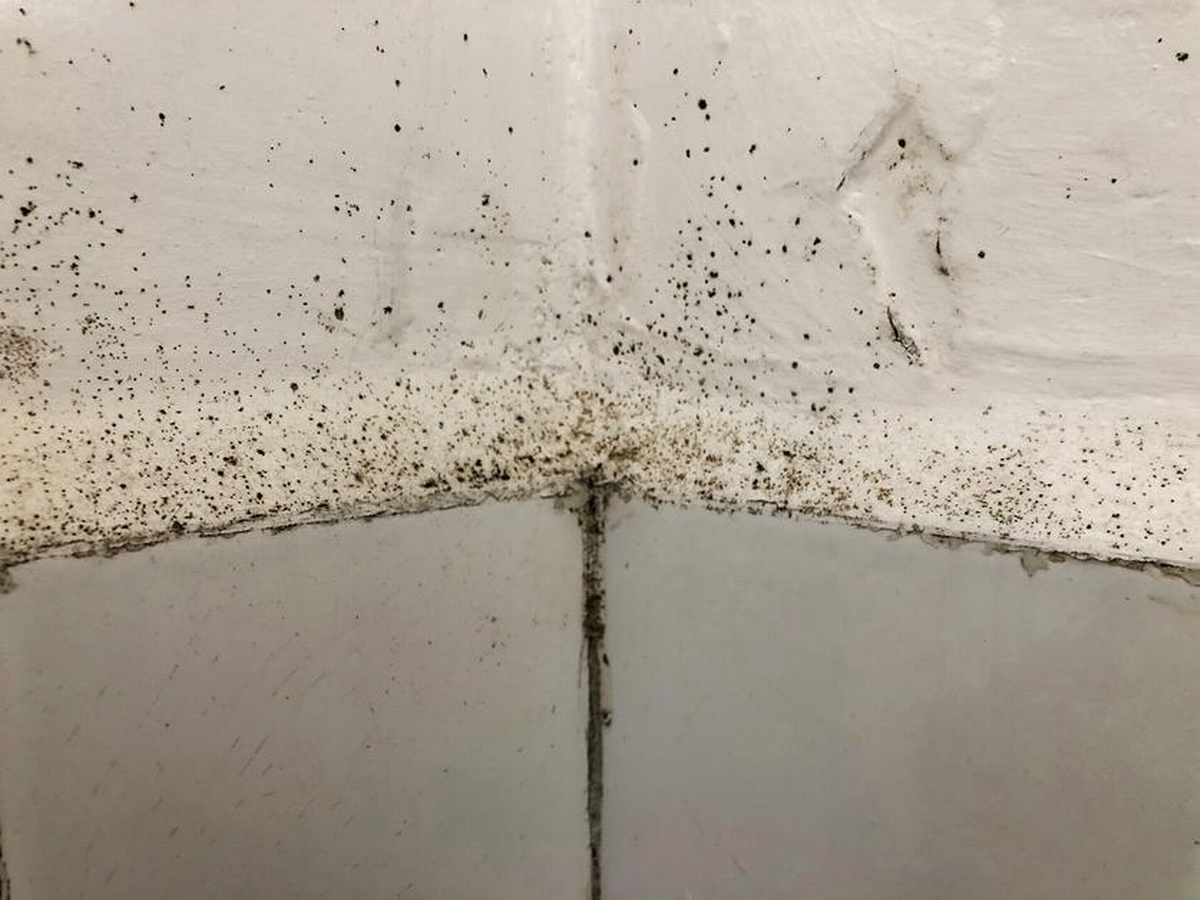
Mold can be quite insidious, forming quietly in places exposed to moisture and often going unnoticed until it becomes a significant issue. If you'...
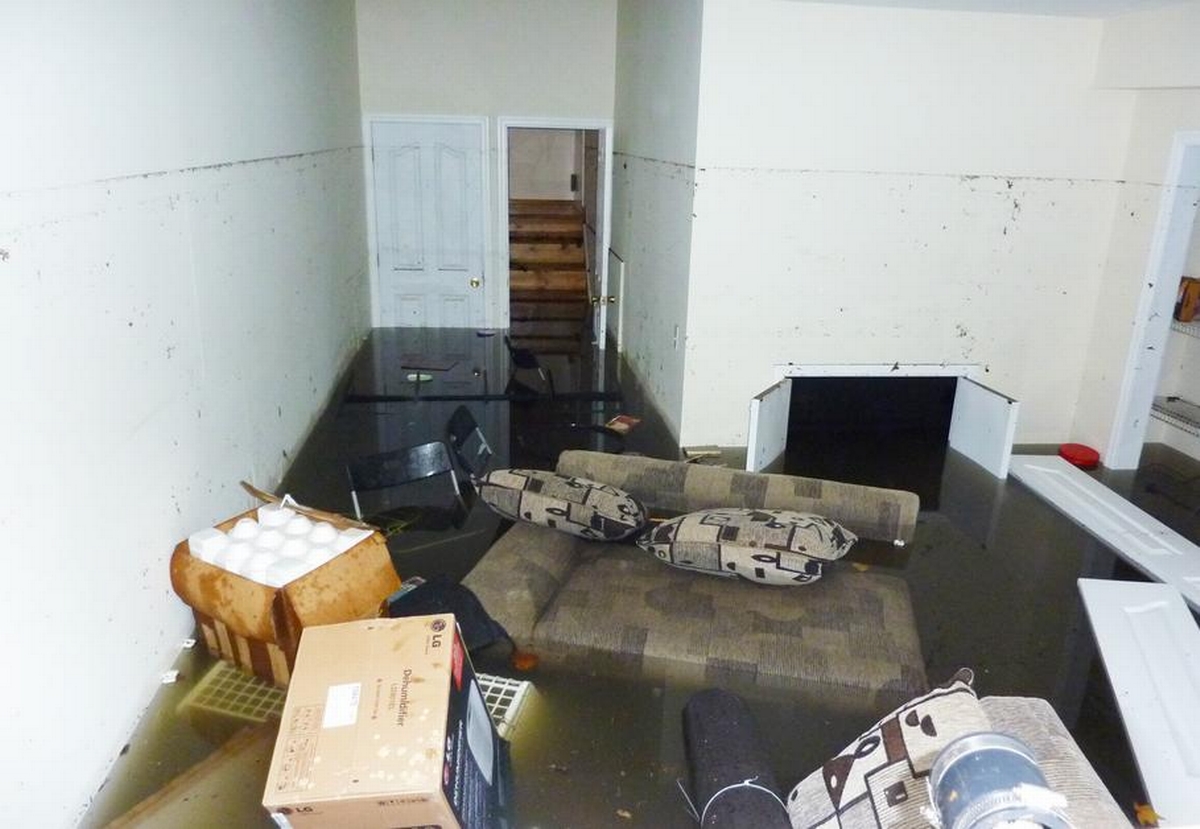
Basement flooding is a homeowner's nightmare that can lead to costly repairs and significant disruption. Given the humid climate and frequent stor...