Sarasota, FL Winter: How to Prepare Your Home for Cold Weather
October 17, 2026

24/7 Emergency Service(941) 260-2721
At Your Property Quickly1-Hour Response Time
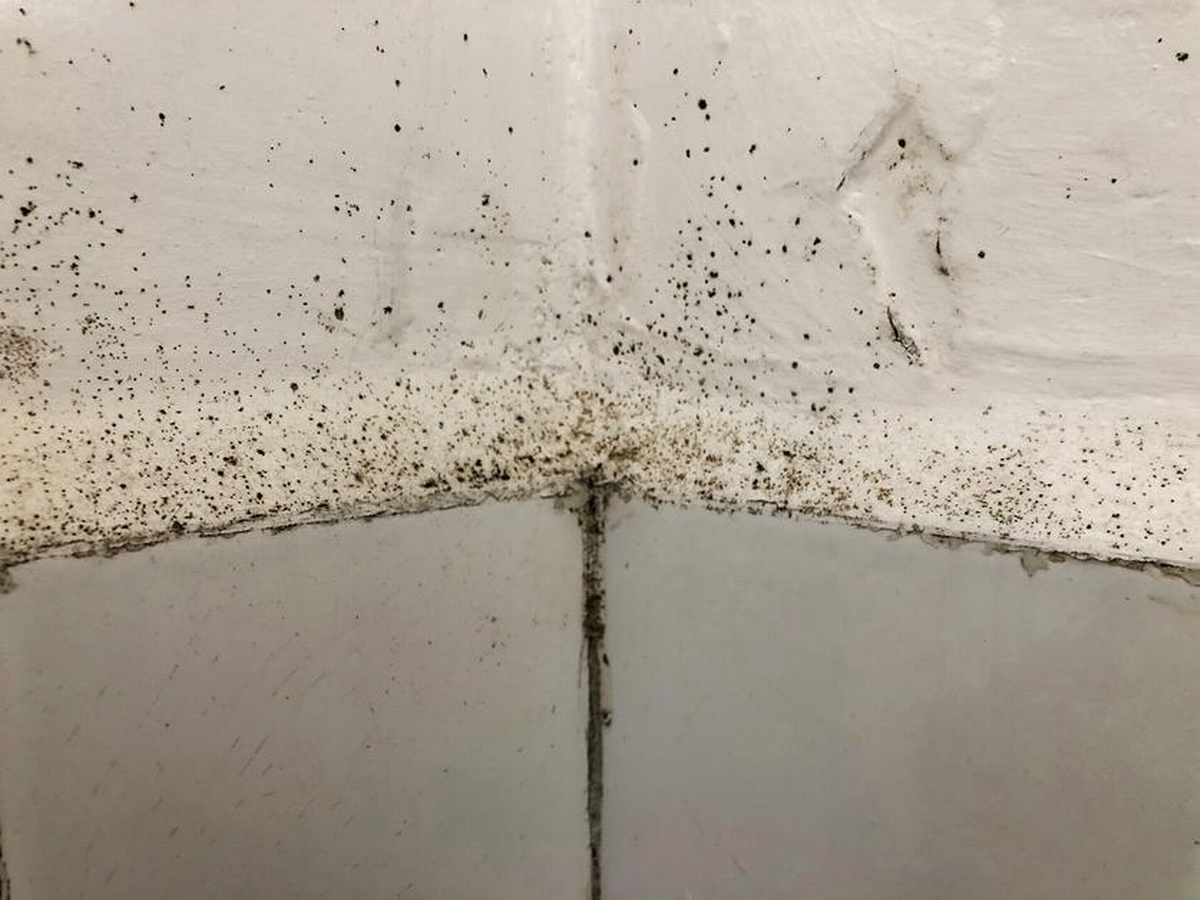
Mold can be quite insidious, forming quietly in places exposed to moisture and often going unnoticed until it becomes a significant issue. If you've ever wondered, "What does mold from water damage look like?" you're certainly not alone. Recognizing mold is crucial, as early detection can save homeowners from extensive and costly damage. In cities known for their humidity levels, the risk of mold growth increases significantly, making it essential for residents to know when it's time to seek damage restoration services in Sarasota and beyond. We'll dive into the appearance of mold resulting from water damage, the health and structural concerns it poses, and why professional intervention is vital.
Mold thrives in damp environments and often follows water damage events such as flooding, leaks, or burst pipes. It can appear in a variety of forms and colors, black, green, white, or even orange, and may be fuzzy or slimy in texture. Mold from water damage doesn't just affect unsightly corners of your home; it poses serious health risks, including respiratory issues and allergic reactions. As mold growth usually accelerates within 24-48 hours after water exposure, understanding how to identify it swiftly is paramount. This blog will equip you with the knowledge to identify and address mold proactively.
Water damage often presents itself in a variety of forms, each contributing to an ideal environment for mold to flourish. Whether it's a slow-leaking pipe or the aftermath of a severe storm, unattended moisture paves the way for microbial life to expand rapidly. The extent and speed at which mold grows depend on factors like humidity levels, temperature, and the presence of organic matter, such as wood or drywall, that mold feeds on.
When water damage occurs, it doesn't bring just one problem; you're often dealing with a cascade of issues. While it might initially appear as a wet patch or stained ceiling, water damage can permeate deeper, affecting structural materials and fostering mold growth. This type of growth not only detracts from your home's aesthetic appeal but also jeopardizes its integrity. Many people liken its spread to an unattended wildfire; the longer you wait, the more challenging and costly it becomes to control. Let's delve deeper into what mold from water damage looks like and how you can spot it before it spirals out of control.
When trying to identify what mold from water damage looks like, it's vital to understand the varieties you might encounter. Each type of mold can present differently, contingent upon the materials it's affecting and the specific mold species. Common types include:
Identifying these molds doesn't just mean looking for discoloration. Pay attention to textures and consistencies. For example, molds on wood might seem dusty, while those on walls could appear slimy or glossy.
Understanding what mold from water damage looks like is crucial not just for home preservation but also for health reasons. Mold spores in the air can trigger a variety of health issues, particularly in individuals with mold allergies, asthma, or compromised immune systems. The effects range from mild irritations, such as sneezing and skin rashes, to more severe reactions, including chronic respiratory illnesses and neurological symptoms in extreme cases. This makes prompt identification and remediation essential.
Homes impacted by mold are often the backdrop for discussions about "sick building syndrome," a condition where occupants feel health effects attributed to the living environment. A damp, mold-infested environment can significantly contribute to this, leading to unexplained fatigue, headaches, and cognitive issues. This underscores the importance of quick action if you suspect your home is harboring mold.
To effectively deal with mold, early detection is key. But how can homeowners be vigilant? Many start by utilizing sensory observations. The distinct musty odor, often compared to that of wet socks or an earthy smell, can be an initial giveaway.
Beyond this, visual inspections should focus on areas prone to moisture collection. Bathrooms, basements, kitchens, and attics are common hotspots. Look for changes in wall paint or wallpaper, such as bubbling, peeling, or discoloration. As mold grows beneath surfaces, these visual cues can be your first line of defense.
For a more thorough inspection, consider professional help. Experts utilize specialized tools and techniques, such as infrared cameras, to detect hidden moisture and mold. Given the complexity of mold removal and remediation, especially in extensive infestations, outsourcing this task ensures thoroughness and safety.
Once you've uncovered what mold from water damage looks like and taken steps to address any issues, prevention becomes the next frontier. Effective strategies focus on mitigating moisture and maintaining a dry environment. Repair leaks immediately and ensure proper ventilation in areas like kitchens and bathrooms to reduce moisture buildup.
For homeowners in areas with high humidity levels, such as Sarasota, investing in dehumidifiers can significantly reduce indoor moisture. Regularly cleaning and inspecting your HVAC system is equally important, as mold spores can circulate through air vents.
If water damage occurs, act quickly. Dry out affected areas within the first 24-48 hours to curtail mold growth. Consider professional water damage restoration services in Sarasota to ensure that your home returns to its pre-loss condition efficiently and reliably.
While you can take numerous do-it-yourself approaches to detect mold, its removal is often best left to professionals. Hiring an experienced company like Accutech Restoration and Remodeling in Sarasota, FL, ensures that your mold issue is handled with the expertise and precision it requires. Mold removal and remediation entail more than just cleaning the visible spores. It necessitates a comprehensive approach, addressing the root cause to prevent future occurrences.
Expert services provide peace of mind, restoring not only your home's aesthetic quality but also its safety. Given the complex nature of mold's interaction with other household components like drywall and wood, leaving this task to the experts often proves to be more cost and time-efficient. This makes mold removal and remediation services invaluable after water damage events.
Understanding what mold from water damage looks like empowers you to take proactive steps in protecting your home and health. If you're dealing with water damage in Englewood, FL, swift action can prevent minor inconveniences from snowballing into significant issues. Addressing water damage isn't just about immediate cleanup. It's about long-term prevention and preserving your living space's integrity.
Accutech Restoration and Remodeling is here to support you with comprehensive services designed to manage both immediate concerns and offer long-term solutions for water damage repair. Our experienced team is well-versed in tackling water damage restoration in Longboat Key and beyond, safeguarding your home from mold and its potential hazards. Prioritize safety and security by choosing a professional partner that cares about the well-being of your home and family. Reach out to Accutech Restoration and Remodeling today!
Most home insurance policies cover sudden and accidental water damage from burst pipes. Check your policy details for specific coverage.
Yes, a broken water heater can lead to a high electric bill. If it's not heating water efficiently, a broken water heater may consume more energy and increase your utility bill.
Yes, if you have a broken water heater, it can potentially lead to carbon monoxide leaks. If you suspect a carbon monoxide leak, call us for an emergency response.
While minor leaks can be fixed with DIY methods, it's advisable to consult a professional restoration company, like Accutech Restoration & Remodeling, for significant damage to ensure proper repair and prevent future issues.
Yes, mold can grow under tiles if there is constant moisture or water damage.
Yes, water can seep through grout lines if they are cracked or improperly sealed. You may contact us for help with water leaks and bathroom floor water damage.
Yes, we can remove mold from carpets affected by water damage. We use specialized cleaning techniques to prevent health risks.
Homeowners' insurance typically covers water damage caused by a water heater leak or broken water heater, but it may not cover the cost of repairing or replacing the heater itself. You may contact us for help navigating your insurance claim.
We recommend clearing the area around the damaged drywall to give our technicians easy access.
Preventing flood damage involves proactive measures such as maintaining gutters, ensuring proper drainage around your property, and considering flood-resistant building materials. Accutech Restoration & Remodeling offers tips and resources to help you safeguard your home against future flooding incidents.
To prevent floor warping from water damage, quickly clean up any spills or leaks to avoid prolonged exposure to moisture. You can use mats or rugs in high-moisture areas to keep them dry.
Remove any affected tiles and clean the area thoroughly with a mold-specific cleaner.

October 17, 2026
October 15, 2026
October 9, 2026

October 7, 2026
Join our community for maintenance and DIY tips and tricks, where we help homeowners and business owners like you learn preventative maintenance and be better prepared for disasters.
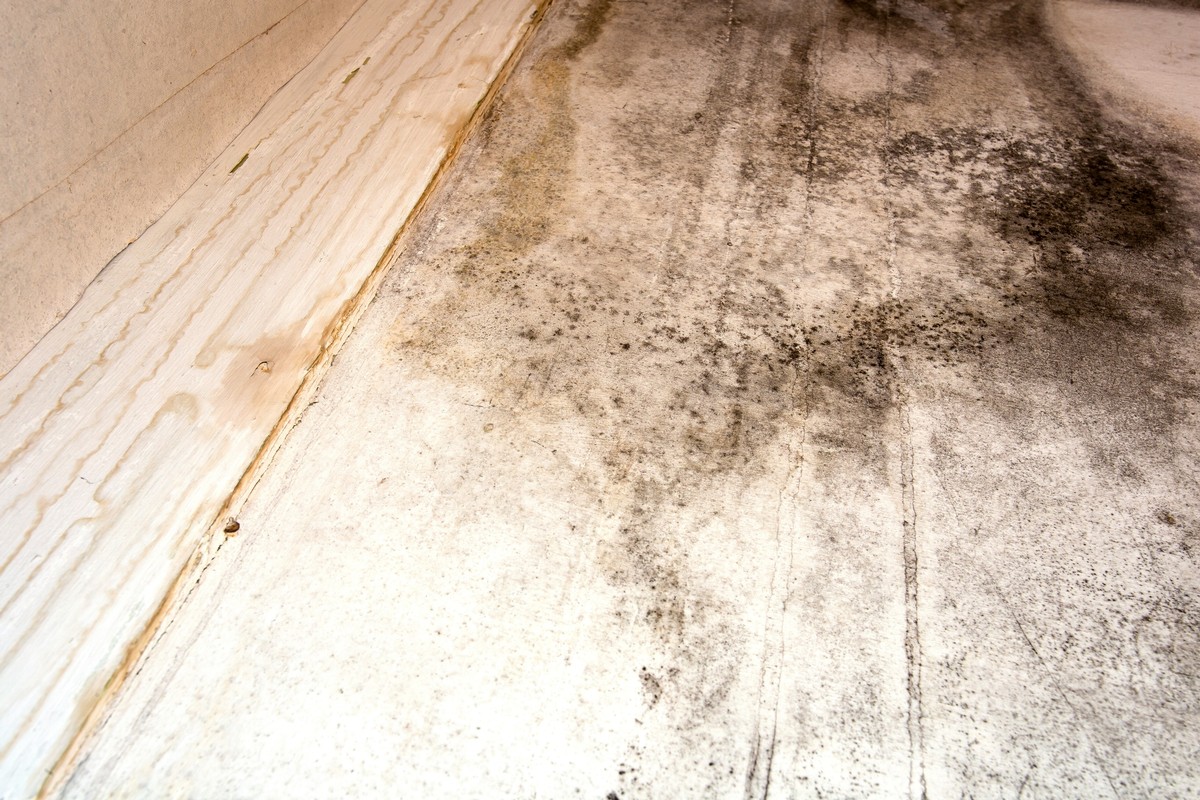
Spotted brown fuzzy mold on wood in your home? Learn what causes it, why it grows, and the safe steps to remove it. Serving Sarasota and nearby areas....
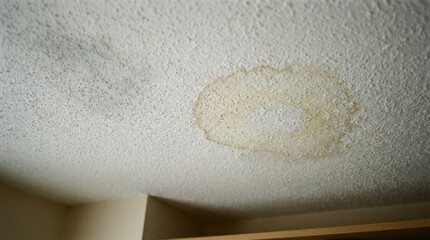
Spotted a stain on your textured ceiling? Learn what a popcorn ceiling with water damage means, the risks involved, and how to handle repairs the righ...