Before Moisture Spreads, How to Prevent Mold After Water Damage
September 17, 2026

24/7 Emergency Service(941) 260-2721
At Your Property Quickly1-Hour Response Time
Mold can begin colonizing damp materials in as little as 24 to 48 hours, which means the clock starts ticking the moment water enters your home. Whether a pipe bursts overnight, a storm pushes moisture through the roof, or an appliance quietly leaks behind a wall, the window to act is short. Knowing how to prevent mold after water damage is one of the most valuable things a homeowner can understand, because the difference between a quick cleanup and a costly remediation project often comes down to how fast the drying happens. As a trusted damage restoration company in Sarasota and its surrounding areas, we see firsthand how proper early action protects both property and health.
Florida's warm, humid climate only accelerates the problem. Mold spores are always present in the air, and all they need to thrive is moisture, organic material, and a little time. When water damage introduces the first ingredient, the countdown begins. The good news is that with the right steps taken quickly, you can dramatically reduce the chance of mold ever getting a foothold.
The single most important factor in stopping mold is time. Wet drywall, carpet padding, insulation, and wood begin absorbing moisture immediately, and those materials hold water long after the visible flooding is gone. Even if a surface looks dry, moisture may still be trapped inside walls or beneath flooring where it fuels hidden growth.
This is why understanding how to prevent mold after water damage means treating every water event as urgent, not something to deal with over the weekend. The longer materials stay saturated, the deeper the moisture travels and the harder it becomes to fully dry. A same-day response can often prevent a problem that would otherwise require tearing out drywall, cabinetry, or subflooring. Acting fast is not about panic. It is about giving yourself the best possible chance to save materials and avoid a much larger repair.
Once you have ensured the area is safe and the water source is stopped, your goal is to remove standing water and start drying as quickly as possible. Ventilation, airflow, and moisture removal are your best friends during this critical window.
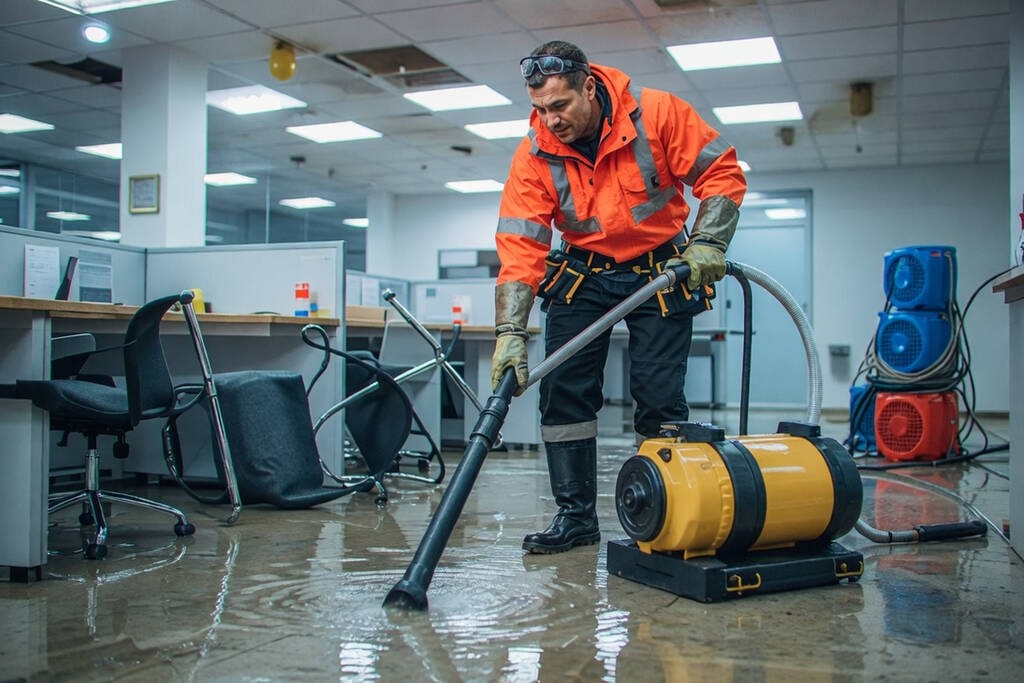
These steps buy you time, but they are not a substitute for professional drying equipment when the damage is significant. Household fans rarely move enough air to fully dry structural materials, and a standard dehumidifier cannot match the capacity of commercial units used during water damage restoration in Sarasota. When water has spread across multiple rooms or soaked into walls, calling in help early is the smartest move.
The mold problems that surprise homeowners almost always come from moisture they could not see. Water travels along the path of least resistance, wicking up drywall, seeping under baseboards, and pooling beneath flooring where it can sit for weeks. Surface drying looks reassuring, but trapped moisture keeps feeding growth behind the scenes.
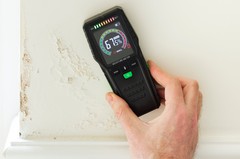
Different materials react differently, too. Water can cause wood floors to cup and buckle while moisture lingers underneath, and it can saturate the paper backing on drywall long before any stain appears. Professionals use moisture meters and thermal imaging to find these hidden pockets so they can be dried completely. Knowing how to prevent mold after water damage really means chasing down every last bit of dampness, not just the water you can wipe up.
Drying the affected materials is only part of the battle. If the surrounding air stays humid, moisture can re-enter dried materials and restart the cycle. Keeping indoor humidity below roughly sixty percent helps discourage mold from establishing itself. Running a dehumidifier, keeping the air conditioning on, and maintaining steady airflow all support a drier environment.
In our climate, this matters year round but especially during storm season, when repeated moisture events stack up. Homeowners who have dealt with storm damage in the Sarasota area know how quickly humidity can undo drying progress. Monitoring moisture levels for several days after the initial cleanup gives you confidence that materials are truly dry and not just dry on the surface.
Small spills you catch immediately are often manageable on your own. But there are clear signals that the situation needs professional attention. Water that has soaked into walls, spread across large areas, or come from a contaminated source like sewage or flooding poses risks that go beyond simple cleanup. A musty odor, discoloration on walls or ceilings, or persistent dampness days after a leak are all signs that moisture may already be feeding mold.
A trained team brings industrial drying equipment, moisture detection tools, and the experience to know where hidden water hides. This is the core of professional restoration and the reason it is so effective at stopping mold before it starts. If you are wondering how to prevent mold after water damage in a way that truly protects your home long term, partnering with a restoration company early is the surest path.
Preventing mold is not only about reacting to emergencies. Simple habits go a long way toward keeping moisture in check. Inspect plumbing connections, water heaters, and appliance hoses periodically for early signs of leaks. Keep gutters clear so rainwater flows away from the foundation. Address small drips promptly rather than letting them linger, since even minor ongoing moisture can create the perfect conditions for growth over time.
When mold has already appeared, the priority shifts from prevention to safe removal. Our team provides thorough mold removal and remediation in North Port and beyond, along with full water restoration throughout Sarasota and neighboring communities. Whatever stage you are facing, the goal is the same: a dry, healthy home that stays that way.
The takeaway is straightforward. Mold thrives on moisture and time, so removing both quickly is your strongest defense. Act within the first day or two, dry every material completely, control the humidity around it, and do not hesitate to call for help when the damage is more than a quick wipe-up can handle. If water has affected your home anywhere in Sarasota, FL and the surrounding areas, reach out to our team for a fast response and the peace of mind that comes with doing the job right.
Most home insurance policies cover sudden and accidental water damage from burst pipes. Check your policy details for specific coverage.
Yes, a broken water heater can lead to a high electric bill. If it's not heating water efficiently, a broken water heater may consume more energy and increase your utility bill.
Yes, if you have a broken water heater, it can potentially lead to carbon monoxide leaks. If you suspect a carbon monoxide leak, call us for an emergency response.
While minor leaks can be fixed with DIY methods, it's advisable to consult a professional restoration company, like Accutech Restoration & Remodeling, for significant damage to ensure proper repair and prevent future issues.
Yes, mold can grow under tiles if there is constant moisture or water damage.
Yes, water can seep through grout lines if they are cracked or improperly sealed. You may contact us for help with water leaks and bathroom floor water damage.
Yes, we can remove mold from carpets affected by water damage. We use specialized cleaning techniques to prevent health risks.
Homeowners' insurance typically covers water damage caused by a water heater leak or broken water heater, but it may not cover the cost of repairing or replacing the heater itself. You may contact us for help navigating your insurance claim.
We recommend clearing the area around the damaged drywall to give our technicians easy access.
Preventing flood damage involves proactive measures such as maintaining gutters, ensuring proper drainage around your property, and considering flood-resistant building materials. Accutech Restoration & Remodeling offers tips and resources to help you safeguard your home against future flooding incidents.
To prevent floor warping from water damage, quickly clean up any spills or leaks to avoid prolonged exposure to moisture. You can use mats or rugs in high-moisture areas to keep them dry.
Remove any affected tiles and clean the area thoroughly with a mold-specific cleaner.
September 17, 2026

September 15, 2026
![[Guide] What a Mold Assessment Report Includes and Why It Matters](https://www.unitedstatesbd.com/images/unitedstatesbdcom/bizcategories/13497/News/613016/guide-what-a-mold-assessment-report-includes-and-why-it-matters.jpg "'[Guide] What a Mold Assessment Report Includes and Why It Matters' Featured Image")
September 9, 2026
September 7, 2026
Join our community for maintenance and DIY tips and tricks, where we help homeowners and business owners like you learn preventative maintenance and be better prepared for disasters.
![[Guide] What a Mold Assessment Report Includes and Why It Matters](https://www.unitedstatesbd.com/images/unitedstatesbdcom/bizcategories/13497/News/613016/xlg_guide-what-a-mold-assessment-report-includes-and-why-it-matters.jpg "'[Guide] What a Mold Assessment Report Includes and Why It Matters' Featured Image")