Cleaning Wood Safely: How to Remove Black Mold Without Causing Damage
September 23, 2026

24/7 Emergency Service(941) 260-2721
At Your Property Quickly1-Hour Response Time
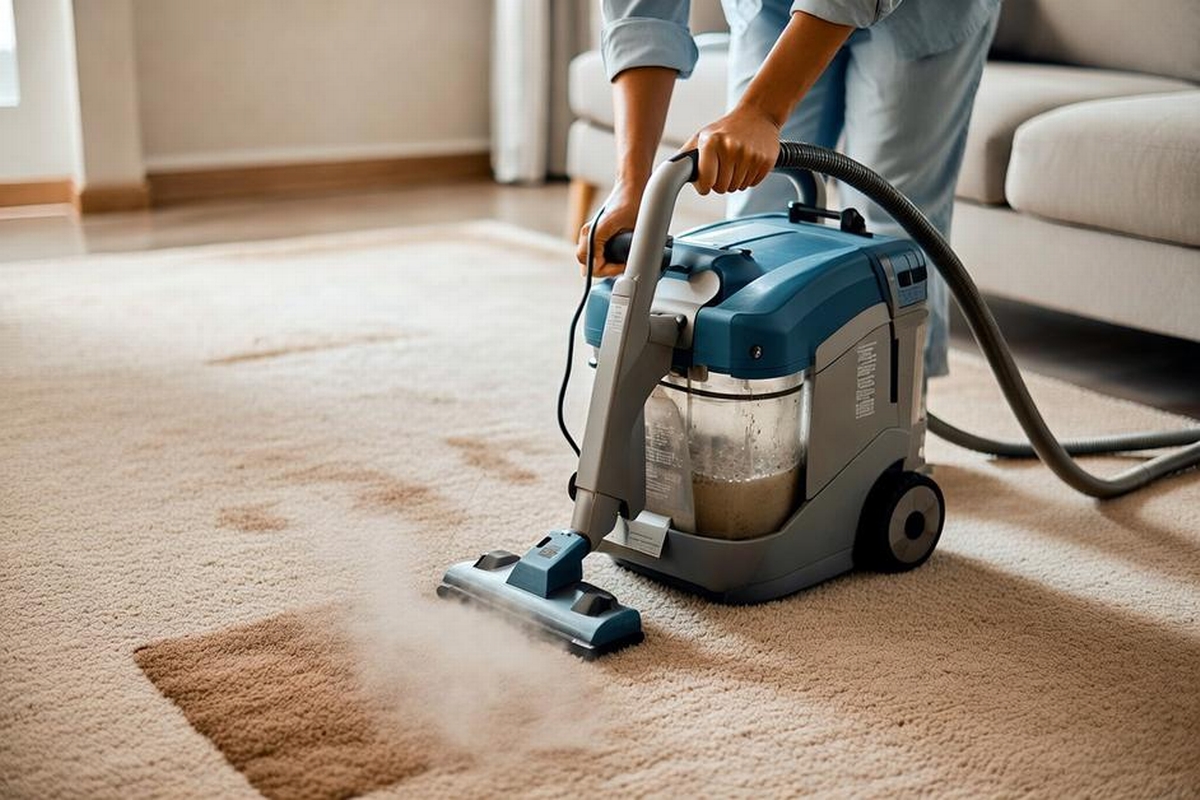
Carpet cleaning is a routine task that many homeowners undertake to maintain a clean and healthy living environment. However, there's growing concern over whether this practice, when done improperly, can lead to mold growth. "Can carpet cleaning cause mold?" is indeed an important question to address, especially in areas with high humidity like Sarasota. At Accutech Restoration and Remodeling, a leading damage restoration company in Sarasota and beyond, we often encounter the aftermath of issues related to improper carpet cleaning. Understanding the connection between carpet cleaning and mold development is essential for homeowners aiming to preserve their indoor air quality and avoid costly restorations.
In this article, we'll delve into the specifics of how carpet cleaning can lead to mold growth if not executed correctly. More importantly, we'll provide insights into best practices to prevent such problems from occurring. These include recognizing the impact of excess moisture, employing the right cleaning techniques, and reaching out to professional restoration services when needed. With mold being a significant concern in Sarasota's humid climate, maintaining mold-free carpets is crucial.
Mold spores exist nearly everywhere. They are microscopic organisms that thrive in damp, humid, and dark environments. When mold spores encounter a moisture source, they quickly multiply, leading to potential health risks and infrastructure damage. Factors such as high indoor humidity, water leaks, and inadequate ventilation often contribute to mold growth inside homes.
Carpets are particularly susceptible to mold formation because they act as a sponge, absorbing moisture that can go unnoticed. Once carpets become wet, the typically stable balance of moisture in the fibers can shift, creating an ideal setting for mold spores to germinate. This risk is especially pronounced in regions like Sarasota, FL, where the air remains humid for much of the year.
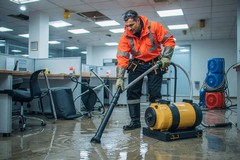
One of the primary reasons improper carpet cleaning can cause mold is insufficient drying. After a thorough cleaning, it is vital that the carpet dries completely to prevent retained moisture from seeping into the backing and padding. In warm climates, drying may occur faster; however, in humid locations, moisture may persist, making a breeding ground for mold. Professional restoration services stress the importance of using proper drying methods and equipment to address any residual moisture in the carpet and padding layers.
Excessive use of water during the carpet cleaning process is another common mistake that can lead to mold. While hot or steam cleaning methods are effective in removing dirt and germs, they can saturate carpets unnecessarily if not managed with care. Certification in professional cleaning methods commonly includes learning the correct water usage to prevent oversaturation. When carpets and their under-layers remain wet for extended periods, mold is likely to proliferate.
Professional equipment designed for carpet cleaning can make a significant difference in the effectiveness and safety of the practice. Machines that lack sufficient suction power will leave behind water, whereas professional-grade equipment can extract water effectively. Using the right tools ensures that carpets are not left excessively damp post-cleaning. Home cleaning devices may not offer the same quality of drying, further making "can carpet cleaning cause mold" a valid consideration for inexperienced handlers.
Whenever possible, opting for expert carpet cleaning services is a smart choice. Professionals know how to balance water usage, apply the right cleaning solutions, and ensure thorough drying post-treatment. Companies experienced in water damage restoration in Sarasota, FL, often overlap with those specializing in comprehensive carpet care. They can also offer recommendations for products that prevent mold growth while keeping carpets in top condition.
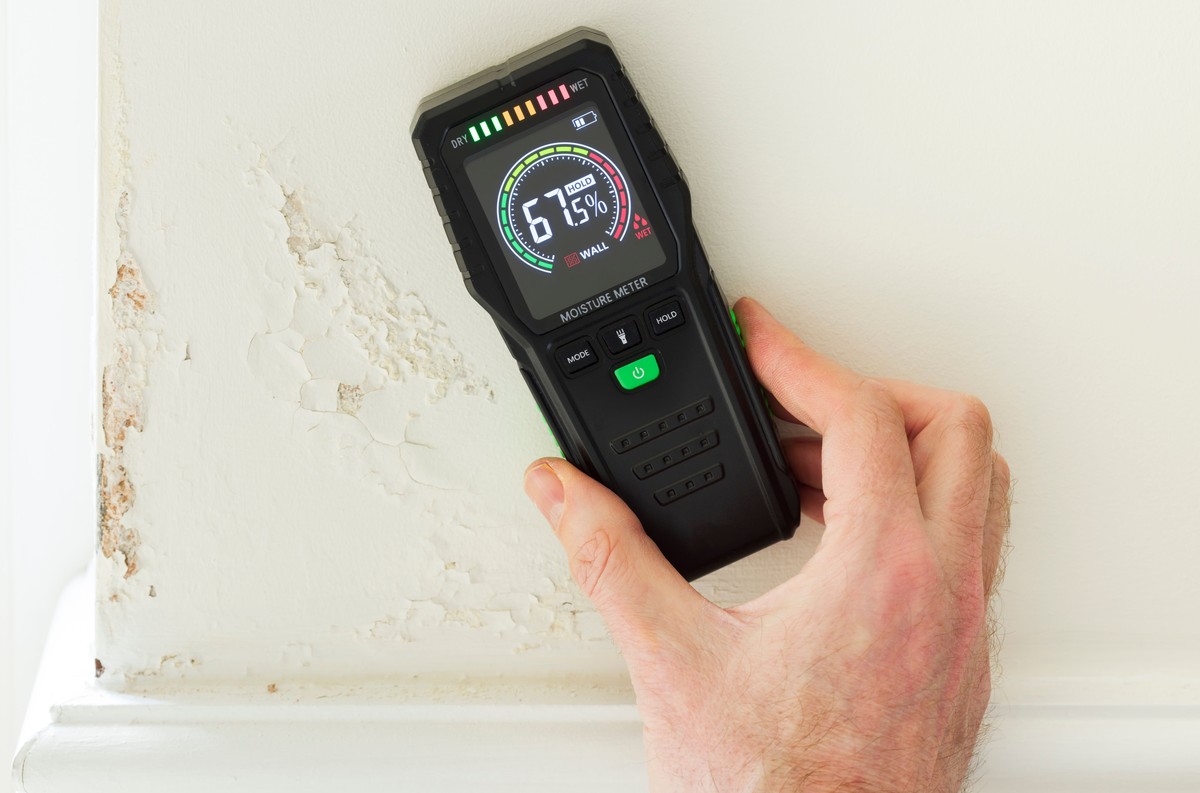
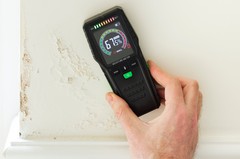
Indoor humidity significantly influences mold growth. Maintaining low indoor humidity by using air conditioners or dehumidifiers can stave off mold even after carpets are cleaned. Regularly checking hygrometer readings and keeping levels below 60% can help prevent mold spores from settling. Ensuring that carpets dry quickly after cleaning can significantly diminish the risk of mold growth.
If professional assistance isn't an option, there are several effective steps homeowners can take to prevent mold:
These steps can drastically reduce the potential of mold growth resulting from improper carpet cleaning.
Mold growth is not limited to carpets. Related scenarios involve water damage that affects various surfaces within a household. Scenarios such as water damage to wood floors, water-damaged drywall, or tile can result in similar mold problems if handled incorrectly. Therefore, a holistic approach to a home's moisture management is imperative.
There's no one-size-fits-all solution when it comes to preventing mold growth from carpet cleaning, but informed practices and professional guidance can make a significant difference. Accutech Restoration and Remodeling, known for their proficiency in storm damage restoration in Sarasota and its surrounding neighborhoods, offers tailored solutions to address and remedy any carpet-related mold concerns homeowners may encounter.
If you suspect mold due to improper carpet cleaning, or if you're seeking to ensure such issues don't arise, expert assistance in water damage restoration in Venice and beyond is available. Accutech Restoration and Remodeling provides extensive water damage restoration solutions, ensuring your home remains safe, healthy, and mold-free. Contact our team today to learn more about safeguarding your home.
Yes, mold can grow under tiles if there is constant moisture or water damage.
Yes, we can remove mold from carpets affected by water damage. We use specialized cleaning techniques to prevent health risks.
Remove any affected tiles and clean the area thoroughly with a mold-specific cleaner.
Yes, mold can pose health risks such as respiratory issues and aggravation of allergies.
Mold exposure can lead to various health issues, especially for individuals with allergies or respiratory conditions. Common symptoms include coughing, sneezing, throat irritation, and, in some cases, exacerbation of asthma. Prolonged exposure to mold can potentially lead to more severe health problems, making prompt mold remediation essential.
Signs include musty odors, visible mold growth on surfaces, and allergy-like symptoms among occupants.
Black mold is a type of fungus that looks dark green or black. There are many kinds of black mold, but when most people refer to it, they're referring to Stachybotrys chartarum ( S. chartarum ). It grows and spreads on materials that contain a lot of cellulose, including paper products, wood products and drywall. Cellulose is a fiber in fruits, vegetables and other plants. It's part of the cell wall.
Black mold needs warm temperatures and moisture to grow and spread. It commonly appears in damp or water-damaged areas of your home, such as basements, showers and windows.
For most people, black mold won't make you very sick or kill you.
September 23, 2026

September 21, 2026
September 17, 2026
September 15, 2026
Join our community for maintenance and DIY tips and tricks, where we help homeowners and business owners like you learn preventative maintenance and be better prepared for disasters.