Popcorn Ceiling with Water Damage: What to Expect
October 3, 2026

24/7 Emergency Service(941) 260-2721
At Your Property Quickly1-Hour Response Time
Mold is a common household nuisance and one that can cause serious health issues if left unchecked. Every homeowner dreads finding those telltale signs of mold growth, whether it's the musty odor, discoloration on walls, or peeling paint. To effectively address this issue, it's crucial to identify the type of mold you are dealing with. This article focuses on "black mold vs green mold," a topic of great concern, especially for restoration contractors in Sarasota and its neighboring communities. Understanding the differences not only aids in proper removal but also helps in preventing future outbreaks.
Mold thrives in dark, damp conditions, making it a frequent intruder in households subject to humidity issues, leaks, or water damage. The two most common types of mold encountered are black mold and green mold, each with distinct characteristics and implications. By delving into their differences, causes, and health impacts, you can better manage and mitigate these unwelcome guests from your home.
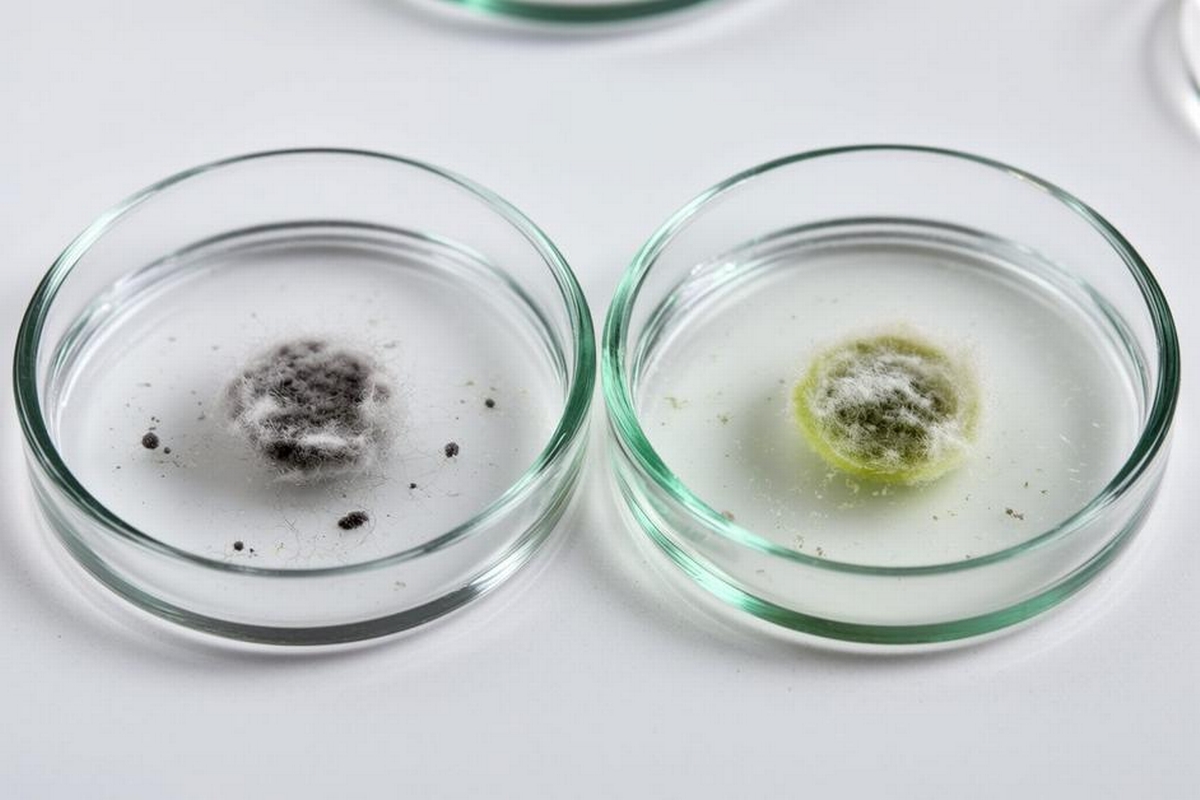
Black mold, scientifically known as Stachybotrys chartarum, is infamous for its alarming appearance and potential health risks. It appears slimy and dark green-blackish, often found in materials with high cellulose content, such as paper, fiberboard, and gypsum board. This mold can become a household enemy, thriving in conditions where moisture goes unchecked, such as after a leak or flood.
The dangers of black mold lie in its ability to release mycotoxins - toxins that can have severe effects on human health. Symptoms of prolonged exposure include respiratory problems, headaches, and even nausea. People with allergies, asthma, or weak immune systems are particularly vulnerable. Professional intervention is generally advised for black mold, as improper removal can disperse mold spores further.
Green mold is a term used to describe various species of mold, including Aspergillus, Penicillium, and Cladosporium. Unlike black mold, green mold appears in shades ranging from pale green to dark black-green and has a powdery texture. It often grows on food items, moist walls, and wooden surfaces.
While green mold is less notorious than black mold, it still poses risks. Exposure can lead to allergic reactions and respiratory issues, particularly in individuals with pre-existing conditions. Green mold might not release mycotoxins at the level of black mold, but its presence is a sign of moisture problems that need to be addressed sooner rather than later.
Identifying the kind of mold you are dealing with is essential in determining the right method for removal. Here's a concise guide to help you spot and differentiate between black mold and green mold:
Understanding the health implications of black mold vs green mold is crucial for informed decision-making. As both types can encourage allergic reactions and respiratory issues, identifying and mitigating them early is vital for everyone's health.
Black Mold Health Risks : The most concerning aspect of black mold is its mycotoxins. These can irritate the mucous membranes, cause chronic coughing, and provoke skin rashes. People with weakened immune systems or chronic lung diseases are at a higher risk of developing mold-related illnesses.
Green Mold Health Risks : Although generally considered less harmful, prolonged exposure to green mold can also lead to health complications. Symptoms often include skin irritation, eye infections, and respiratory problems. While not as toxic as black mold, green mold can seriously impact the air quality in your home if not addressed promptly.
Once you've identified the mold type, the next step is to consider removal and remediation options. Mold removal involves cleaning and disinfection, while remediation encompasses fixing the underlying causes like leaks and humidity.
Black Mold Removal : Due to the hazardous nature of black mold, it's recommended to seek professional help. Specialists will perform a thorough inspection, followed by safe removal and remediation practices.
Green Mold Removal : While some green mold can be cleaned using DIY methods and products like vinegar or baking soda, extensive infestations may necessitate professional intervention.
In Sarasota, FL, addressing moisture sources effectively can prevent recurrent outbreaks. Restoration services, dealing in mold removal and remediation, not only clean affected areas but also repair water-damaged materials. Proper airflow, dehumidifiers, and sealing leaks are crucial strategies for maintaining a mold-free environment.
The key to keeping mold at bay is prevention. Here are some effective strategies:
Attempting to tackle mold without expert guidance can exacerbate the problem. Mold spreads through airborne spores released during cleaning. Engaging professional services ensures containment and thorough removal, reducing health risks associated with exposure.
In Sarasota, frequent rain and humidity contribute to conditions favorable for mold growth. Hence, investing in ongoing inspections and preventive measures from restoration experts can save significant future costs and health issues. Mold removal and remediation services in Sarasota and its nearby locales offer advanced solutions tailored to your home's specific needs.
Understanding the differences in black mold vs green mold gives homeowners an advantage when it comes to prevention and timely intervention. By recognizing the visual and health characteristics of each, you can take appropriate steps towards remediation.
Ready to address your mold concerns? Contact Accutech Restoration and Remodeling for professional and reliable mold removal services in Sarasota and nearby areas. Mold shouldn't compromise your health or your home. Let the experts help you create a safer, healthier living environment.
Whether dealing with water heater damage repair or tackling storm damage restoration in North Port, Accutech Restoration and Remodeling is your go-to resource. With their seasoned expertise, mold and water-related damages don't stand a chance. Take control of your home's health today and ensure a mold-free future.
Yes, mold can grow under tiles if there is constant moisture or water damage.
Yes, we can remove mold from carpets affected by water damage. We use specialized cleaning techniques to prevent health risks.
Remove any affected tiles and clean the area thoroughly with a mold-specific cleaner.
Yes, mold can pose health risks such as respiratory issues and aggravation of allergies.
Mold exposure can lead to various health issues, especially for individuals with allergies or respiratory conditions. Common symptoms include coughing, sneezing, throat irritation, and, in some cases, exacerbation of asthma. Prolonged exposure to mold can potentially lead to more severe health problems, making prompt mold remediation essential.
Signs include musty odors, visible mold growth on surfaces, and allergy-like symptoms among occupants.
Black mold is a type of fungus that looks dark green or black. There are many kinds of black mold, but when most people refer to it, they're referring to Stachybotrys chartarum ( S. chartarum ). It grows and spreads on materials that contain a lot of cellulose, including paper products, wood products and drywall. Cellulose is a fiber in fruits, vegetables and other plants. It's part of the cell wall.
Black mold needs warm temperatures and moisture to grow and spread. It commonly appears in damp or water-damaged areas of your home, such as basements, showers and windows.
For most people, black mold won't make you very sick or kill you.
October 3, 2026

October 1, 2026
September 23, 2026

September 21, 2026
Join our community for maintenance and DIY tips and tricks, where we help homeowners and business owners like you learn preventative maintenance and be better prepared for disasters.