Structure Fires Explained: How They Start, Spread, and Cause Damage
September 21, 2026

24/7 Emergency Service(941) 260-2721
At Your Property Quickly1-Hour Response Time
Wood is one of the most common surfaces where mold takes hold, and it is also one of the trickiest to clean. Because wood is porous, mold roots can dig deeper than you might expect, and the wrong cleaning method can leave stains, warping, or worse. Knowing how to remove black mold from wood the right way protects both your health and the material you are trying to save. As experienced restoration contractors in Sarasota and its nearby cities, we see plenty of well-meaning homeowners accidentally cause damage while trying to fix a mold problem.
The good news is that with the right preparation, tools, and a little patience, many wood surfaces can be cleaned successfully. This guide walks you through the safe way to tackle mold on wood, when it makes sense to handle it yourself, and when calling a professional is the smarter move.
Florida's warm, moist air creates nearly perfect conditions for mold growth, and wood provides both the food source and the moisture retention that mold needs to thrive. Untreated framing lumber, wooden furniture, cabinetry, and trim can all become hosts once humidity climbs or a small leak goes unnoticed. Mold spores are always present in the air, so all they require is the right environment to settle in and spread.
The color you see is not always a reliable indicator of the species, but dark, greenish-black patches often signal a well-established colony. Because mold penetrates below the surface on porous materials, wiping the top layer alone rarely solves the problem. That is why understanding how to properly remove black mold from wood matters so much, especially in a region where the conditions favor regrowth if any moisture or root structure remains.
Disturbing mold releases spores into the air, which can trigger respiratory irritation, allergic reactions, and other health concerns. Before touching the affected area, put on an N95 respirator or better, protective gloves, and eye protection. If the mold covers a large area, seal off the room with plastic sheeting and open a window to keep air moving outward rather than circulating spores through the rest of your home.
Never mix cleaning products, particularly bleach and ammonia, because the combination produces toxic fumes. It also helps to lay down disposable drop cloths to catch debris, and to bag up any rags or materials you use so spores do not spread during cleanup. Taking these steps seriously keeps a small cleaning project from becoming a bigger contamination problem.
For sealed or finished wood, the mold usually sits on the surface, which makes cleaning more straightforward. Start with the gentlest approach and only escalate if needed. A mixture of dish soap and warm water applied with a soft brush often lifts surface mold without harming the finish. Wipe the area, then dry it thoroughly, since leftover moisture invites the mold right back.
When soap and water are not enough, distilled white vinegar is a favorite among restoration professionals. Vinegar is mildly acidic and can penetrate porous surfaces to kill mold at the root without the harsh side effects of bleach. Here is a simple sequence to follow for most wood surfaces:
For stubborn stains on unfinished wood, a paste of baking soda and water can help lift discoloration, and fine-grit sanding may be needed as a last resort. Avoid soaking wood, and steer clear of bleach on porous surfaces, because bleach mostly stays on top while its water content soaks in and can actually feed hidden mold.
The most frequent error we encounter is using too much water. Wood absorbs moisture quickly, and saturating it during cleaning can cause swelling, warping, and cracking as it dries unevenly. Another mistake is scrubbing too aggressively or against the grain, which scratches finishes and opens up the wood to further mold penetration. If you plan to remove black mold from wood furniture or antiques, remember that harsh chemicals can strip finishes and ruin the value of the piece.
People also tend to underestimate the importance of drying. Killing visible mold means little if the underlying moisture problem remains. Without addressing the source, whether that is a plumbing leak, roof damage, or high indoor humidity, mold will simply return. If moisture keeps finding its way into your wood, our water damage repair for wood floors in Sarasota addresses the root cause rather than just the symptom.
Some situations call for expert help rather than a DIY effort. If the mold covers more than about ten square feet, keeps returning after cleaning, or has spread into structural framing, the safest choice is to bring in trained specialists. Deeply embedded mold on load-bearing wood, mold accompanied by a strong musty odor throughout the home, or any growth tied to significant water damage all point to a problem larger than surface cleaning can fix.
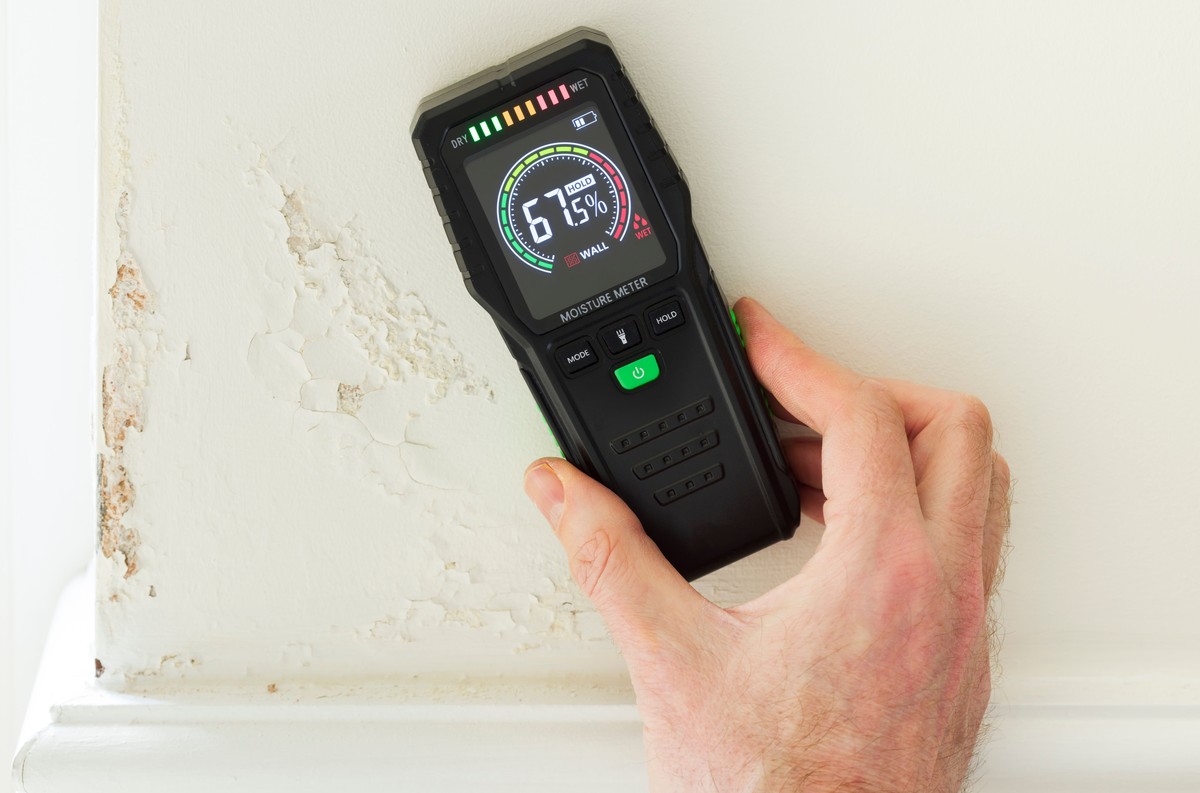
Professionals use containment barriers, air scrubbers, moisture meters, and antimicrobial treatments to remove black mold from wood thoroughly and prevent it from coming back. They also identify hidden moisture sources you might miss. Accutech provides comprehensive damage restoration services across Sarasota and the surrounding areas, and our team knows exactly how to treat mold without sacrificing the wood beneath it.
Once your wood is clean, keeping mold away comes down to controlling moisture. Aim to keep indoor humidity below sixty percent, using dehumidifiers and good ventilation in bathrooms, kitchens, and laundry areas. Fix leaks promptly, ensure gutters direct water away from the foundation, and inspect vulnerable wood surfaces periodically so you catch new growth early while it is still easy to manage.
Sealing bare wood with an appropriate finish adds a protective barrier that makes future cleaning easier and slows moisture absorption. Regular attention goes a long way in a humid climate, and small habits like wiping up spills quickly and running exhaust fans can spare you a much bigger headache down the road.
Learning how to remove black mold from wood safely gives you a real advantage, but not every mold problem belongs in the DIY category. When growth is widespread, recurring, or tied to serious water intrusion, professional remediation protects your health and your home's structure. Whether you are in Fruitville, Sarasota, or a neighboring community, our team is ready to help you assess the situation and choose the right path forward.
If you are dealing with persistent mold or want a professional evaluation, reach out to Accutech Restoration for a free assessment. We also offer mold removal and remediation in Port Charlotte, FL, so wherever you are along the coast, expert help is close by. Contact us today to keep your home safe, dry, and mold-free.
Yes, mold can grow under tiles if there is constant moisture or water damage.
Yes, we can remove mold from carpets affected by water damage. We use specialized cleaning techniques to prevent health risks.
Remove any affected tiles and clean the area thoroughly with a mold-specific cleaner.
Yes, mold can pose health risks such as respiratory issues and aggravation of allergies.
Mold exposure can lead to various health issues, especially for individuals with allergies or respiratory conditions. Common symptoms include coughing, sneezing, throat irritation, and, in some cases, exacerbation of asthma. Prolonged exposure to mold can potentially lead to more severe health problems, making prompt mold remediation essential.
Signs include musty odors, visible mold growth on surfaces, and allergy-like symptoms among occupants.
Black mold is a type of fungus that looks dark green or black. There are many kinds of black mold, but when most people refer to it, they're referring to Stachybotrys chartarum ( S. chartarum ). It grows and spreads on materials that contain a lot of cellulose, including paper products, wood products and drywall. Cellulose is a fiber in fruits, vegetables and other plants. It's part of the cell wall.
Black mold needs warm temperatures and moisture to grow and spread. It commonly appears in damp or water-damaged areas of your home, such as basements, showers and windows.
For most people, black mold won't make you very sick or kill you.

September 21, 2026

September 17, 2026

September 15, 2026
![[Guide] What a Mold Assessment Report Includes and Why It Matters](https://www.unitedstatesbd.com/images/unitedstatesbdcom/bizcategories/13497/News/613016/guide-what-a-mold-assessment-report-includes-and-why-it-matters.jpg "'[Guide] What a Mold Assessment Report Includes and Why It Matters' Featured Image")
September 9, 2026
Join our community for maintenance and DIY tips and tricks, where we help homeowners and business owners like you learn preventative maintenance and be better prepared for disasters.
![[Guide] What a Mold Assessment Report Includes and Why It Matters](https://www.unitedstatesbd.com/images/unitedstatesbdcom/bizcategories/13497/News/613016/xlg_guide-what-a-mold-assessment-report-includes-and-why-it-matters.jpg "'[Guide] What a Mold Assessment Report Includes and Why It Matters' Featured Image")