Structure Fires Explained: How They Start, Spread, and Cause Damage
September 21, 2026

24/7 Emergency Service(941) 260-2721
At Your Property Quickly1-Hour Response Time
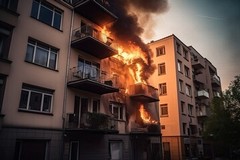
Every year, fires damage countless homes and businesses, often in a matter of minutes. A small spark in a kitchen or a faulty wire behind a wall can grow into a blaze that threatens an entire building before help arrives. That speed and unpredictability is exactly why understanding fire behavior matters so much for property owners. If your home or business is affected, our team provides damage restoration services in Sarasota, FL to help you recover quickly and safely.
So what is a structure fire, and why does it deserve special attention? In this guide, we will walk through how these fires begin, how they spread through a building, and the different types of damage they leave behind. Knowing these basics can help you protect your property, respond wisely in an emergency, and understand the recovery process that follows.
To answer the question directly, what is a structure fire? It is a fire that occurs inside or involves a building or other permanent structure, such as a house, apartment, office, garage, or commercial property. This is different from a wildfire or a vehicle fire, both of which behave very differently and involve their own set of challenges. A structure fire is defined by the enclosed environment it burns in, which changes how heat, smoke, and flames travel.
Because a building traps heat and smoke, a structure fire can intensify rapidly. Confined spaces allow temperatures to climb quickly, and the abundance of fuel from furniture, walls, flooring, and belongings gives the fire plenty to feed on. Understanding this enclosed dynamic is key to grasping why even a seemingly minor fire can cause widespread destruction.
Most structure fires begin with a single ignition source that meets available fuel. Kitchens are one of the most common origins, where unattended cooking, grease, and hot surfaces frequently combine into disaster. Electrical systems are another leading cause, including overloaded outlets, damaged wiring, and aging appliances that overheat.
Heating equipment, space heaters, and fireplaces contribute to many fires as well, especially when placed too close to flammable materials. Careless smoking, unattended candles, and children playing with lighters or matches also account for a significant share. In some cases, the cause is entirely unexpected, such as a lightning strike or a chemical reaction in stored materials.
The common thread is that most of these ignition points are preventable. Regular inspection of electrical systems, careful attention while cooking, and keeping heat sources away from combustibles go a long way toward reducing risk. Working smoke detectors remain one of the simplest and most effective tools for catching a fire early, before it has a chance to grow.
Once a fire ignites, it does not stay in one place for long. Fire spreads through three primary methods: conduction, convection, and radiation. Conduction moves heat through solid materials, such as when a metal beam carries heat to another part of the structure. Convection carries hot gases and smoke upward and outward, which is why fires often climb walls and race across ceilings. Radiation transfers heat through the air, igniting nearby objects even without direct flame contact.
Modern buildings can actually accelerate this process. Synthetic materials in furniture, carpeting, and construction burn hotter and faster than the natural materials used decades ago. Open floor plans allow flames and smoke to travel freely, and hidden spaces inside walls and attics can let a fire spread undetected until it bursts into a room already fully involved.
One of the most dangerous phenomena is flashover, the moment when everything in a room reaches its ignition temperature simultaneously and erupts into flame. Flashover can occur within just a few minutes of a fire starting, which is why early detection and rapid evacuation are so critical. There is rarely as much time as people expect.
The destruction from a structure fire extends far beyond the flames themselves. Fire damage is typically layered, with several types of harm affecting a property at once. Understanding these categories helps explain why professional restoration is so involved.
Smoke damage in particular is often underestimated. It travels far beyond the room where the fire occurred, seeping into closets, cabinets, and air systems throughout the building. Because soot is acidic, it continues to damage surfaces the longer it sits, which is why prompt cleanup makes such a difference in what can be salvaged.
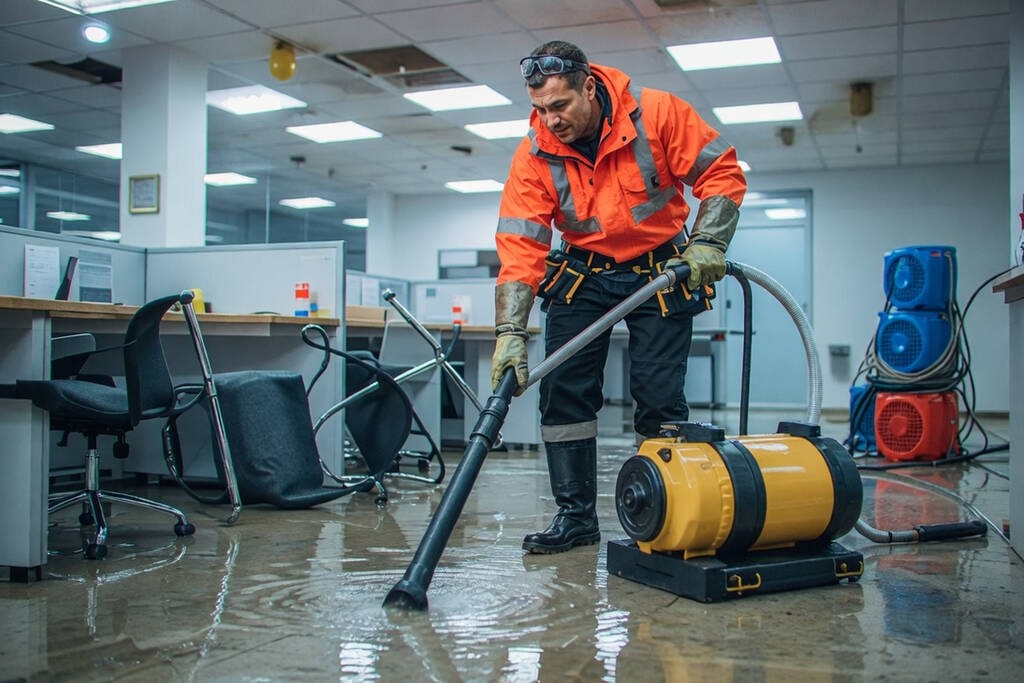
The water that firefighters use to control the blaze creates its own restoration challenge. Saturated materials can develop mold within a day or two, and standing moisture can compromise flooring and framing. In many cases, addressing fire recovery also means managing serious water intrusion, which is why fire and water restoration so often go hand in hand. You can learn more about how we handle moisture issues with our water damage restoration services in Sarasota and its nearby communities.
The first priority in any fire is always safety. Get everyone out of the building, call emergency services, and do not reenter until firefighters declare the property safe. No possession is worth risking your life, and the toxic gases produced by a fire can be as deadly as the flames themselves.
Once the fire is out and authorities have cleared the scene, the recovery process begins. Acting quickly is important because soot, smoke residue, and water continue to cause damage in the hours and days after a fire. Professional fire damage restoration in Sarasota, FL involves assessing the structure, removing damaged materials, cleaning soot and smoke residue, deodorizing, drying out water, and rebuilding what was lost. Trained technicians know how to identify hidden damage and salvage what can be saved while safely removing what cannot.
Understanding what a structure fire is, how it starts, and how it spreads gives you a real advantage in both prevention and recovery. Fires move faster than most people realize, and the damage they cause is complex, touching everything from framing and flooring to the air quality inside your home. Smoke, soot, and water all compound the destruction, which is why a thorough and professional restoration approach matters so much.
If your property has been affected, do not wait to seek help. Whether you need fire recovery or comprehensive water damage restoration in Bradenton, FL and beyond, prompt action limits further damage and speeds your return to normal. The sooner cleanup begins, the more of your home and belongings can typically be saved.
Accutech Restoration and Remodeling is here to guide you through every stage of recovery, from emergency response to the final rebuild. Reach out to our team for a professional assessment and let us help you restore your property with care and expertise after a fire.
Explore our fire damage prevention tips and proactive measures to safeguard your home or business.
The first step is to ensure the safety of all occupants and contact a professional restoration company as soon as possible. Call Accutech Restoration & Remodeling now for emergency fire restoration or water restoration services.
Contact Accutech Restoration & Remodeling immediately for professional assessment and mitigation.
We assist in navigating insurance claims to maximize coverage for fire damage restoration services.
September 21, 2026
September 17, 2026
September 15, 2026
![[Guide] What a Mold Assessment Report Includes and Why It Matters](https://www.unitedstatesbd.com/images/unitedstatesbdcom/bizcategories/13497/News/613016/guide-what-a-mold-assessment-report-includes-and-why-it-matters.jpg "'[Guide] What a Mold Assessment Report Includes and Why It Matters' Featured Image")
September 9, 2026
Join our community for maintenance and DIY tips and tricks, where we help homeowners and business owners like you learn preventative maintenance and be better prepared for disasters.
![[Helpful Guide] What Does a Fire Restoration Company Do?](https://www.unitedstatesbd.com/images/unitedstatesbdcom/bizcategories/13497/News/613012/xlg_helpful-guide-what-does-a-fire-restoration-company-do.jpg "'[Helpful Guide] What Does a Fire Restoration Company Do?' Featured Image")