Popcorn Ceiling with Water Damage: What to Expect
October 3, 2026

24/7 Emergency Service(941) 260-2721
At Your Property Quickly1-Hour Response Time
Discovering a musty smell or a dark patch on a wall can leave any homeowner uneasy, and the first real step toward answers is often a professional mold assessment report? This document is far more than a piece of paper. It is the roadmap that tells you what type of problem you are facing, how far it has spread, and what needs to happen next. As experienced restoration contractors in Sarasota, FL, we have seen how a clear, thorough report can turn a stressful situation into a manageable plan.
Florida's humid climate makes mold a common concern, and understanding these reports helps you make informed decisions rather than guessing. Whether you are buying a home, dealing with a recent water leak, or simply noticing signs of growth, knowing what goes into the assessment gives you a real advantage. Let's break down exactly what these reports contain and why each part matters.
A mold assessment report is a formal document produced by a licensed mold assessor after inspecting a property for the presence, cause, and extent of mold growth. In Florida, mold assessors and remediators are licensed separately to keep the process objective, meaning the person evaluating the problem is different from the person fixing it. This separation protects you from conflicts of interest and ensures the findings are unbiased.
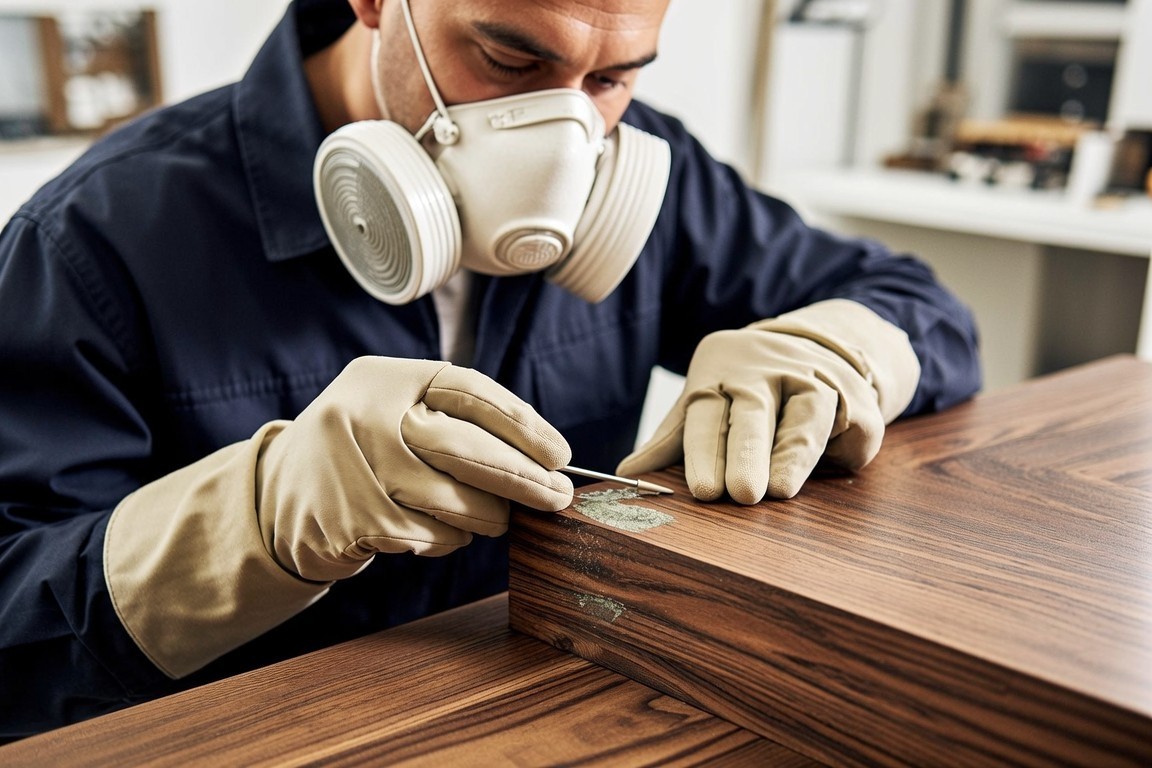
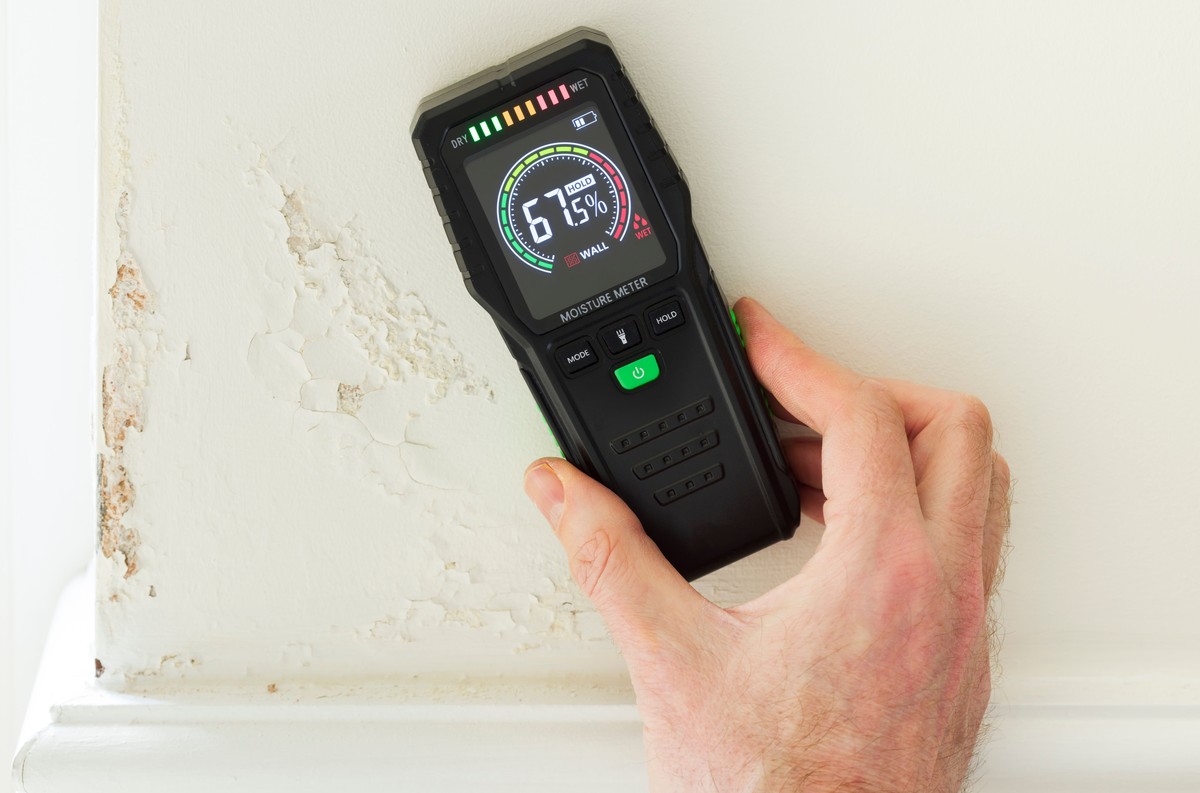
The assessor examines your property visually, uses specialized moisture-detection equipment, and often collects air or surface samples for laboratory analysis. The goal is not simply to confirm that mold exists but to understand the whole picture: where it is, why it started, and what conditions are allowing it to thrive. Because mold almost always traces back to a moisture source, a good assessment digs into the root cause rather than just the visible symptoms.
When you receive a mold assessment report, you may feel overwhelmed by technical language, but most reports follow a predictable structure. Understanding these core sections makes the document much easier to read and act upon.
The remediation protocol is arguably the most valuable section because it becomes the blueprint that guides the cleanup work. It defines the affected square footage, the containment measures required, and the standards the remediation must meet before the area is considered safe again.
It can be tempting to skip a formal evaluation and jump straight to scrubbing away visible mold, but doing so often leaves the real problem untouched. A proper mold assessment report matters because it identifies the moisture source that caused the growth in the first place. Without addressing that source, mold will simply return, sometimes worse than before. The report ensures that both the visible and hidden issues get resolved together.
The report also creates accountability. Because it spells out a clear remediation protocol, everyone involved knows exactly what work needs to happen and when it is complete. After remediation, a follow-up clearance inspection can verify the work against the original findings, giving you documented proof that the problem was handled correctly. This is especially important for real estate transactions, insurance claims, and rental properties where documentation carries legal and financial weight.
For many homeowners, mold issues begin with an unnoticed leak. If your assessment traces the problem back to plumbing or a past flood, professional water damage restoration in Sarasota and the neighboring areas may be part of the complete solution. Treating the mold without correcting the water intrusion is like bailing water from a boat without patching the hole.
The laboratory portion of a mold assessment report? often causes the most confusion. Air samples measure the concentration of mold spores floating in the environment, usually expressed in spores per cubic meter. Assessors compare indoor readings to an outdoor control sample because some mold is naturally present everywhere. When indoor spore counts significantly exceed outdoor levels, or when certain problematic species dominate indoors, that signals an active issue requiring attention.
Surface samples work differently. They confirm whether a suspicious stain is actually mold and identify the specific type. Not all mold is equally concerning, and knowing the genus helps the assessor gauge health risks and cleanup urgency. Reputable reports explain these numbers in plain language and connect them to real-world recommendations rather than leaving you to interpret raw data alone. If your report does not clearly explain what the results mean for your home, do not hesitate to ask the assessor for clarification.
Once you understand your mold assessment report, the next step is deciding how to move forward. The report should tell you the severity of the situation and whether professional remediation is warranted. Small, isolated spots caught early may require modest cleanup, while widespread growth involving structural materials demands a comprehensive approach with containment, air filtration, and safe removal of affected materials.
This is where partnering with a qualified team becomes essential. A skilled remediation company reads the assessment, follows the prescribed protocol, and coordinates any necessary repairs so the problem does not recur. You can review our full range of damage restoration services to understand how mold work often connects with water and structural repairs. The most effective outcomes happen when the assessment and the remediation align seamlessly, each informed by the same documented findings.
Even after remediation is complete, the value of a mold assessment report? continues. Keep it on file as a record of the condition of your property, the work performed, and the standards met. If you ever sell your home or file an insurance claim, that documentation demonstrates that the issue was addressed professionally. It also gives you a baseline to compare against if you suspect future moisture problems.
Ongoing prevention is the natural companion to any assessment. Controlling humidity, fixing leaks promptly, and improving ventilation all reduce the conditions mold needs to grow. For homeowners across the region who need help with mold removal and remediation in Lakewood Ranch and beyond, or with the water damage that so often triggers it, working with a licensed and experienced team ensures the job is done right the first time. A thorough report combined with skilled remediation gives you lasting peace of mind.
Understanding what a mold assessment report includes empowers you to protect your health, your investment, and your family. If you have concerns about mold in your home or business, reach out to our team for guidance. We are always ready to help you interpret your findings and chart a clear path forward toward a healthier, safer property.
Yes, mold can grow under tiles if there is constant moisture or water damage.
Yes, we can remove mold from carpets affected by water damage. We use specialized cleaning techniques to prevent health risks.
Remove any affected tiles and clean the area thoroughly with a mold-specific cleaner.
Yes, mold can pose health risks such as respiratory issues and aggravation of allergies.
Mold exposure can lead to various health issues, especially for individuals with allergies or respiratory conditions. Common symptoms include coughing, sneezing, throat irritation, and, in some cases, exacerbation of asthma. Prolonged exposure to mold can potentially lead to more severe health problems, making prompt mold remediation essential.
Signs include musty odors, visible mold growth on surfaces, and allergy-like symptoms among occupants.
Black mold is a type of fungus that looks dark green or black. There are many kinds of black mold, but when most people refer to it, they're referring to Stachybotrys chartarum ( S. chartarum ). It grows and spreads on materials that contain a lot of cellulose, including paper products, wood products and drywall. Cellulose is a fiber in fruits, vegetables and other plants. It's part of the cell wall.
Black mold needs warm temperatures and moisture to grow and spread. It commonly appears in damp or water-damaged areas of your home, such as basements, showers and windows.
For most people, black mold won't make you very sick or kill you.
October 3, 2026
October 1, 2026
September 23, 2026

September 21, 2026
Join our community for maintenance and DIY tips and tricks, where we help homeowners and business owners like you learn preventative maintenance and be better prepared for disasters.