Popcorn Ceiling with Water Damage: What to Expect
October 3, 2026

24/7 Emergency Service(941) 260-2721
At Your Property Quickly1-Hour Response Time
Vinyl flooring earned its popularity for good reason. It resists water on the surface, holds up to heavy foot traffic, and looks great without much upkeep. But that same water-resistant top layer can create a false sense of security, hiding a problem growing quietly beneath it. If you have ever wondered whether you might have mold in vinyl flooring? you are asking exactly the right question, because trapped moisture under a plank or sheet can lead to spores multiplying where you cannot see them. When the situation calls for professional help, our team provides emergency damage restoration services in Sarasota, FL to get to the root of the issue fast.
Here in the humid climate of Fruitville and greater Sarasota, moisture is a constant companion. Spills, leaks, and even everyday humidity can find their way into the seams and subfloor beneath vinyl. Understanding how this happens, and what to watch for, gives you the power to catch trouble early before it turns into a costly repair.
Vinyl is designed to repel liquid from the top, which is exactly why so many homeowners choose it for kitchens, bathrooms, and laundry rooms. The problem is what happens underneath. When water reaches the subfloor through an unsealed edge, a damaged seam, or a slow leak, that same water-resistant surface prevents the moisture from evaporating upward. Instead, it becomes trapped between the vinyl and the subfloor, creating a dark, damp, undisturbed environment where mold thrives.
Common sources include appliance leaks, plumbing issues under sinks, condensation from concrete slabs, and standing humidity in poorly ventilated rooms. In Florida especially, high indoor humidity alone can be enough to encourage growth if moisture has no way to escape. Because vinyl seals the problem in, it can take weeks or months before any visible sign appears at the surface. By then, the colony beneath may already be well established.
Since the growth happens out of sight, you have to rely on subtler clues. A persistent musty or earthy smell that will not go away, even after cleaning, is often the first hint. Your nose frequently notices a problem long before your eyes do, so do not dismiss an odor just because everything looks fine.
Beyond smell, watch for physical changes in the flooring itself. Discoloration, dark spots bleeding through the vinyl, or a yellowish tint can all point to something growing below. You may also notice the flooring feeling soft, spongy, or uneven underfoot, or planks that begin to lift, curl, or separate at the seams. Some households experience increased allergy symptoms, coughing, or irritation when spending time in the affected room. If several of these signs line up, it is worth investigating rather than waiting.
The instinct to rip up the floor immediately is understandable, but disturbing a mold colony without precautions can release spores throughout your home and make the situation worse. Start by identifying and stopping the moisture source. If a leaking pipe or appliance is behind it, that leak needs to be addressed first, otherwise any cleanup you do will be undone the moment moisture returns.
Next, reduce humidity in the area. Run a dehumidifier, improve ventilation, and keep the space as dry as possible. Avoid using a fan directly on a suspected mold area, since that can spread spores. For a small, contained spot on a hard surface you can sometimes clean it yourself with proper protective gear, but flooring mold is different. Because the growth sits between layers, surface cleaning rarely reaches the actual source. If the affected area is larger than a small patch, or if the subfloor is involved, professional assessment is the safer path. Our team offers thorough mold removal and remediation in Sarasota, FL, including the moisture mapping and containment needed to handle it correctly the first time.
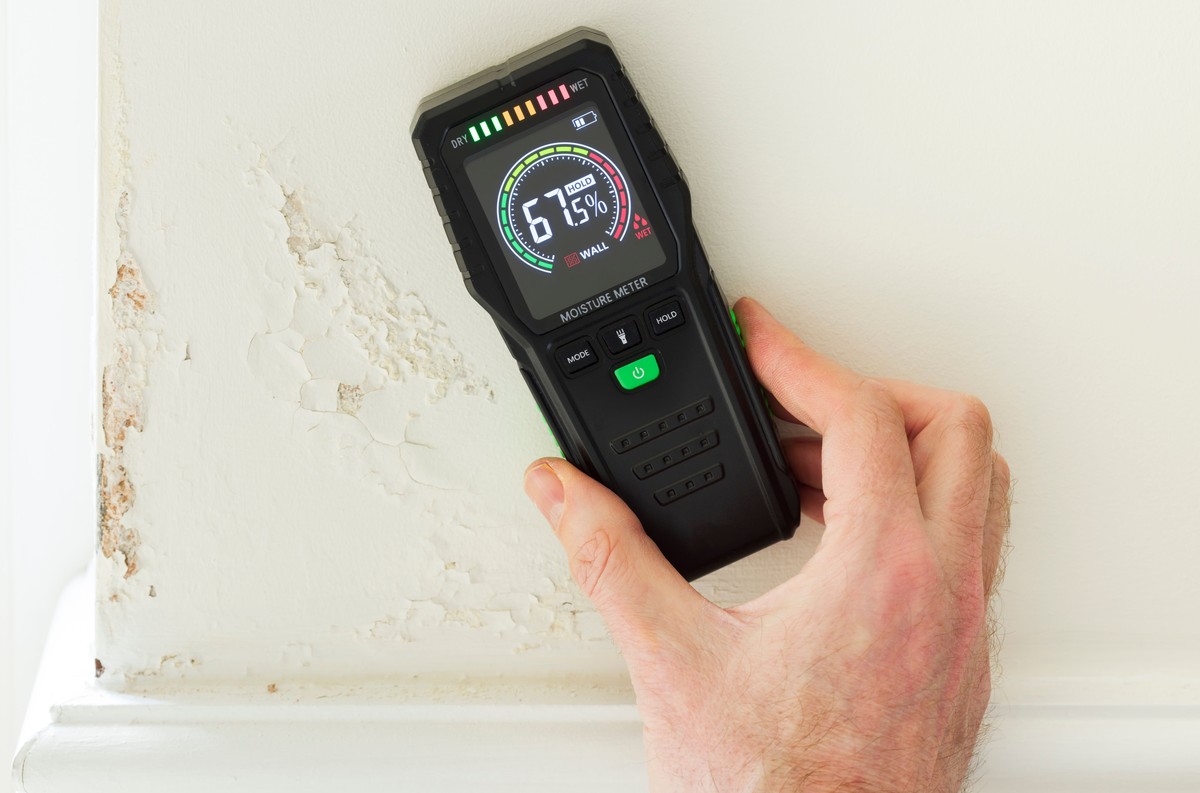
Proper remediation goes far beyond wiping down a surface. The first step is a careful inspection to locate the true extent of the moisture and growth, often using meters and thermal tools that reveal what the eye cannot. From there, technicians set up containment to keep spores from migrating to unaffected rooms during the work. This is one of the biggest reasons DIY attempts on flooring so often fall short. Without containment, you risk trading one contaminated room for a whole-house problem.
The affected vinyl and any compromised subfloor material are then removed and disposed of safely. The area underneath is treated, cleaned, and thoroughly dried, and the moisture source is confirmed to be resolved so the problem does not simply return. Because water damage and mold so often travel together, addressing them as a pair matters. If your issue started with a plumbing failure or standing water, our water restoration services work hand in hand with remediation to make sure the underlying cause is fully corrected before new flooring goes back down.
Once your floors are restored, keeping mold from coming back comes down to managing moisture. Address spills and leaks promptly rather than letting water sit and seep into seams. Keep indoor humidity in check, especially during Florida's humid stretches, using dehumidifiers or air conditioning as needed. Make sure bathrooms, kitchens, and laundry areas have adequate ventilation so damp air does not linger.
Proper installation also plays a role. Well-sealed seams, a moisture barrier where appropriate, and a dry subfloor at the time of installation all reduce the risk of trapped water down the road. Periodic checks around appliances and under sinks help you catch small leaks before they grow. Staying alert to that early musty smell remains one of your best defenses, since catching a problem early almost always means a smaller, less expensive fix.
Mold beneath vinyl is sneaky precisely because the flooring is so good at hiding it. The key takeaways are simple. Trust your nose, respond quickly to any signs of moisture, stop leaks at the source, and do not assume a surface clean has solved a problem living underneath. When you catch it early and treat it thoroughly, you protect both your home and your family's air quality.
If you are seeing the signs we described and still asking yourself whether you have mold in vinyl flooring?, the smartest move is a professional inspection before the problem spreads further. We proudly serve homeowners throughout the region, including mold removal and remediation in Englewood, and we are ready to help you get answers. Reach out to Accutech Restoration and Remodeling for a straightforward evaluation, and let us help you get back to a clean, healthy home.
Yes, mold can grow under tiles if there is constant moisture or water damage.
Yes, we can remove mold from carpets affected by water damage. We use specialized cleaning techniques to prevent health risks.
Remove any affected tiles and clean the area thoroughly with a mold-specific cleaner.
Yes, mold can pose health risks such as respiratory issues and aggravation of allergies.
Mold exposure can lead to various health issues, especially for individuals with allergies or respiratory conditions. Common symptoms include coughing, sneezing, throat irritation, and, in some cases, exacerbation of asthma. Prolonged exposure to mold can potentially lead to more severe health problems, making prompt mold remediation essential.
Signs include musty odors, visible mold growth on surfaces, and allergy-like symptoms among occupants.
Black mold is a type of fungus that looks dark green or black. There are many kinds of black mold, but when most people refer to it, they're referring to Stachybotrys chartarum ( S. chartarum ). It grows and spreads on materials that contain a lot of cellulose, including paper products, wood products and drywall. Cellulose is a fiber in fruits, vegetables and other plants. It's part of the cell wall.
Black mold needs warm temperatures and moisture to grow and spread. It commonly appears in damp or water-damaged areas of your home, such as basements, showers and windows.
For most people, black mold won't make you very sick or kill you.
October 3, 2026
October 1, 2026
September 23, 2026

September 21, 2026
Join our community for maintenance and DIY tips and tricks, where we help homeowners and business owners like you learn preventative maintenance and be better prepared for disasters.